





The Problem with 'Grams'
For years, the fitness and wellness community has relied on macro tracking—counting the grams of protein, carbohydrates, and fats consumed daily. It’s a useful tool for managing weight and building muscle. However, this method has a fundamental blind
spot: it assumes that a gram of protein is a gram of protein, regardless of its source. This simplification overlooks a crucial factor known as 'protein quality,' which refers to two key things: a protein's amino acid profile and its digestibility. Your body needs nine essential amino acids to function, and a 'complete' protein contains all of them in sufficient amounts. Digestibility, on the other hand, determines how much of that protein your body can actually break down and absorb. Standard macro tracking doesn't account for this, meaning the numbers in your app might not reflect the protein your body truly utilizes.
A New Gold Standard: DIAAS
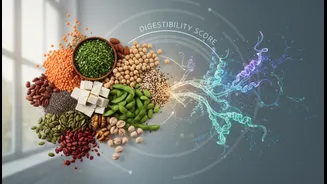
For decades, protein quality was measured using the Protein Digestibility-Corrected Amino Acid Score (PDCAAS). While useful, it had limitations. It measured digestibility over the entire digestive tract, which could be misleading, and its scores were capped at 1.0, making it hard to distinguish between high-quality proteins. In 2013, the UN's Food and Agriculture Organization (FAO) recommended a more accurate method: the Digestible Indispensable Amino Acid Score (DIAAS). Unlike its predecessor, DIAAS measures the absorption of individual amino acids at the end of the small intestine—the primary site for nutrient absorption. This provides a much clearer picture of how much of each essential amino acid your body is getting. Crucially, DIAAS scores are not capped, allowing for better differentiation between good and excellent protein sources.
The Plant-Based Digestibility Gap
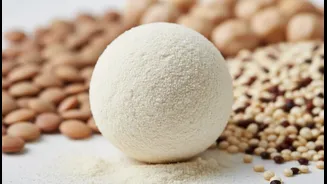
When viewed through the lens of DIAAS, a significant gap appears between many animal and plant-based protein sources. Animal proteins like whey, casein, milk, and eggs consistently score as 'excellent' (a score of 100 or higher). In contrast, many plant proteins score lower. For example, while soy protein isolate and concentrate are considered high-quality plant sources, other staples like peas, rice, and wheat often have lower DIAAS values due to lower digestibility or a less complete amino acid profile. For instance, one study highlighted that animal-based burgers had a higher DIAAS score than their plant-based counterparts. This doesn't mean plant proteins are 'bad'; it simply means you may need to be more strategic to meet your body's needs. Anti-nutritional factors like phytates, which are common in plant foods, can also slightly inhibit protein absorption, a nuance that DIAAS captures more effectively than PDCAAS.
How to Track Macros Smarter
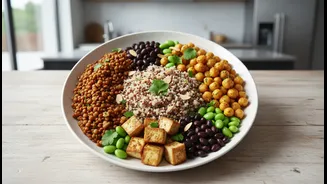
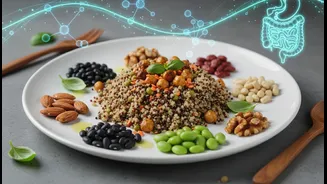
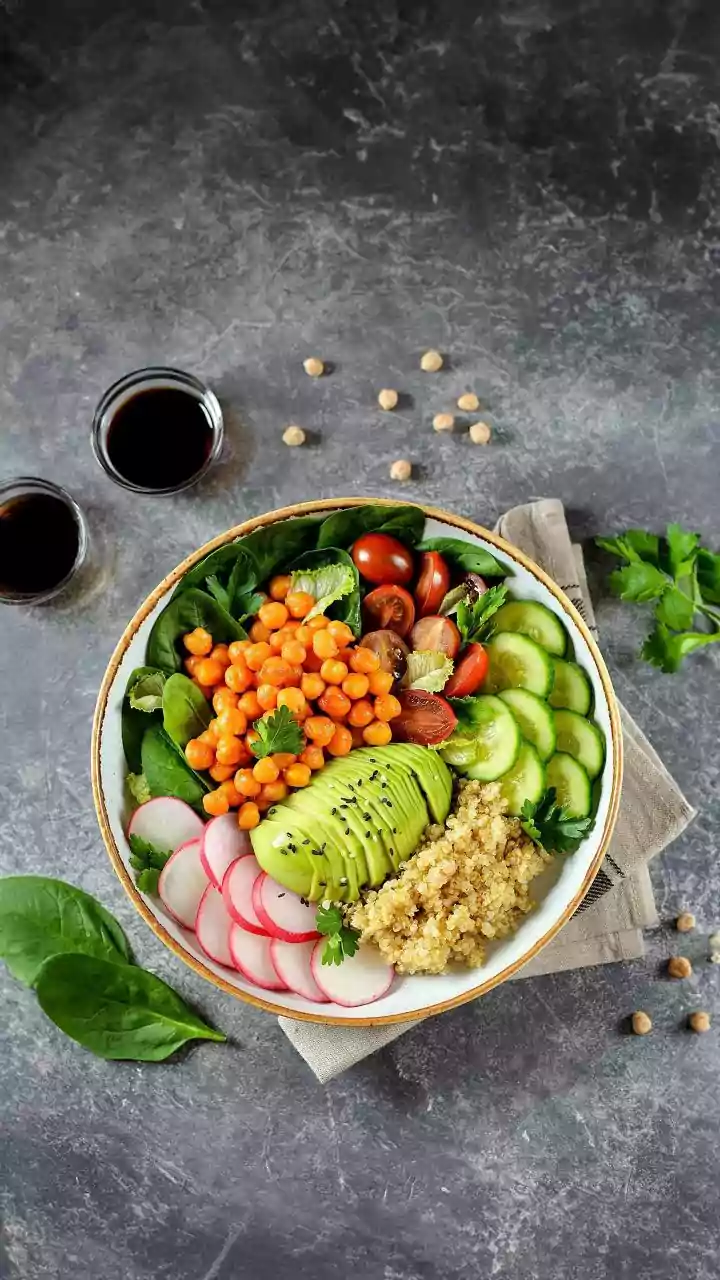
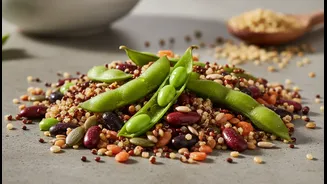
Understanding protein quality doesn't mean abandoning macro tracking or a plant-based diet. It means making your tracking smarter. For those relying heavily on plant-based sources, some nutrition experts suggest increasing total protein intake by about 10-20% to compensate for lower digestibility. Another powerful strategy is protein combining. Many plant proteins are low in one essential amino acid but high in another. By eating a variety of sources—like rice and beans, or wholewheat bread with peanut butter—you can create a complete amino acid profile over the course of the day. Prioritize high-quality plant sources when you can. Soy, quinoa, and potato protein have excellent DIAAS scores. Ultimately, the goal is not to achieve perfect scores with every meal but to ensure your overall dietary pattern provides a diverse and sufficient supply of all essential amino acids.