



Understanding the El Niño Effect
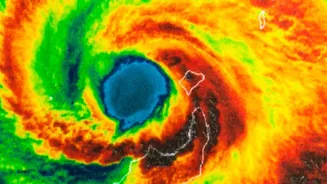
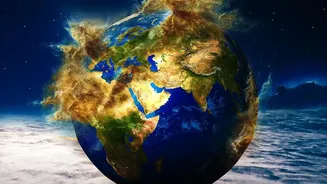
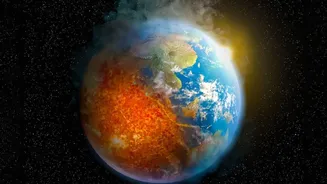
El Niño is a naturally occurring climate pattern, part of the El Niño-Southern Oscillation (ENSO) cycle, that happens every two to seven years. It begins with weaker-than-normal trade winds, which allows the surface waters of the central and eastern Pacific
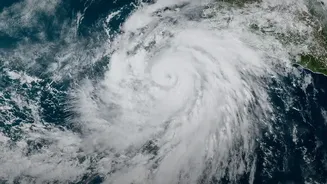
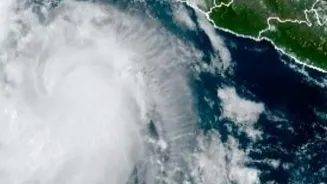
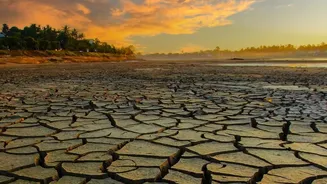
Ocean to become unusually warm. While it starts in the ocean, its effects are global. A 'strong' El Niño means this warming is more significant and persistent, leading to more pronounced disruptions in global weather patterns, from intense rainfall in some regions to severe droughts in others.
The Threat of Mosquito-Borne Illnesses
One of the most significant health impacts for India is the increased risk of vector-borne diseases. Warmer temperatures and altered rainfall patterns create ideal breeding conditions for mosquitoes. Higher temperatures accelerate the life cycle of mosquitoes and shorten the incubation period for viruses like dengue, malaria, chikungunya, and Zika. El Niño can lead to both heavy rains that create new standing water habitats and droughts that force households to store water in open containers, both of which become mosquito nurseries. Consequently, past El Niño events have been linked to significant surges in dengue and malaria cases in South and Southeast Asia.
Heatwaves and Water Contamination
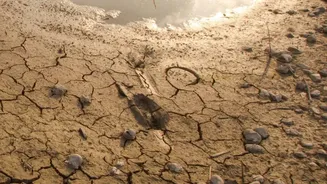
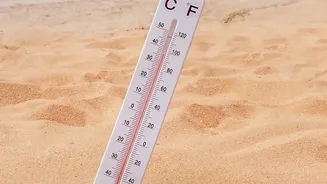
Strong El Niño events consistently push global temperatures higher, leading to more frequent and intense heatwaves. For India, this means a greater danger of heat-related illnesses such as dehydration, heat exhaustion, and life-threatening heatstroke, particularly for vulnerable groups like the elderly, children, and outdoor workers. This extreme heat also exacerbates existing chronic conditions like heart and kidney disease. At the same time, altered rainfall can threaten water security. Droughts can lead to the use of unsafe water sources, while floods can contaminate drinking water, raising the risk of water-borne diseases like cholera, typhoid, and other diarrhoeal illnesses.
When the Air Itself Becomes a Risk
Air quality is another major casualty of the extreme weather linked to El Niño. Drier conditions and drought increase the likelihood of wildfires and dust storms, releasing large amounts of particulate matter into the atmosphere. This smoke and pollution can travel vast distances, degrading air quality and posing a serious threat to respiratory health. For individuals with pre-existing conditions like asthma or chronic obstructive pulmonary disease (COPD), this can trigger severe attacks and lead to increased hospitalisations. Even in healthy individuals, poor air quality can cause irritation and increase susceptibility to respiratory infections.