






Start With a Strategic Sort
Before you can store anything, you need to declutter. Take everything out of your wardrobe and create piles. Be honest about what you'll actually wear again. A good rule of thumb is to part with anything you haven't worn in the last year. Sort your clothes
into categories: keep for the current season, store for the next, donate/sell, and discard items that are beyond repair. This initial purge is the most crucial step, ensuring you only store clothes that you genuinely love and plan to use.
Always Clean Before Storing
This is a non-negotiable step. Storing clothes that are even slightly dirty can lead to permanent stains and attract pests like moths. Body oils, sweat, and small food particles that might be invisible now can damage fabric over time. Make sure to wash or dry-clean every single item according to its care label before it goes into storage. Crucially, ensure every piece is completely dry before packing, as even a small amount of moisture can lead to mildew and musty smells.
Choose the Right Containers
The containers you choose can make or break your storage strategy. While cardboard boxes are tempting, they are susceptible to moisture and pests. Clear plastic bins with airtight lids are a better option, as they protect against dust and humidity while letting you see the contents. For delicate natural fibres like wool and silk, breathable canvas or fabric bins are preferable as they allow for better air circulation. While vacuum-sealed bags save a lot of space with bulky items like puffer jackets, they should be used with caution. They are great for sturdy synthetics but can crush and damage the fibres of delicate items like wool or cashmere if used for long periods.
The Art of Folding and Hanging
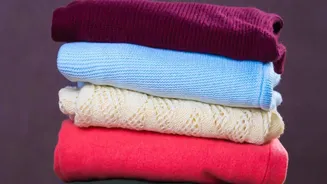
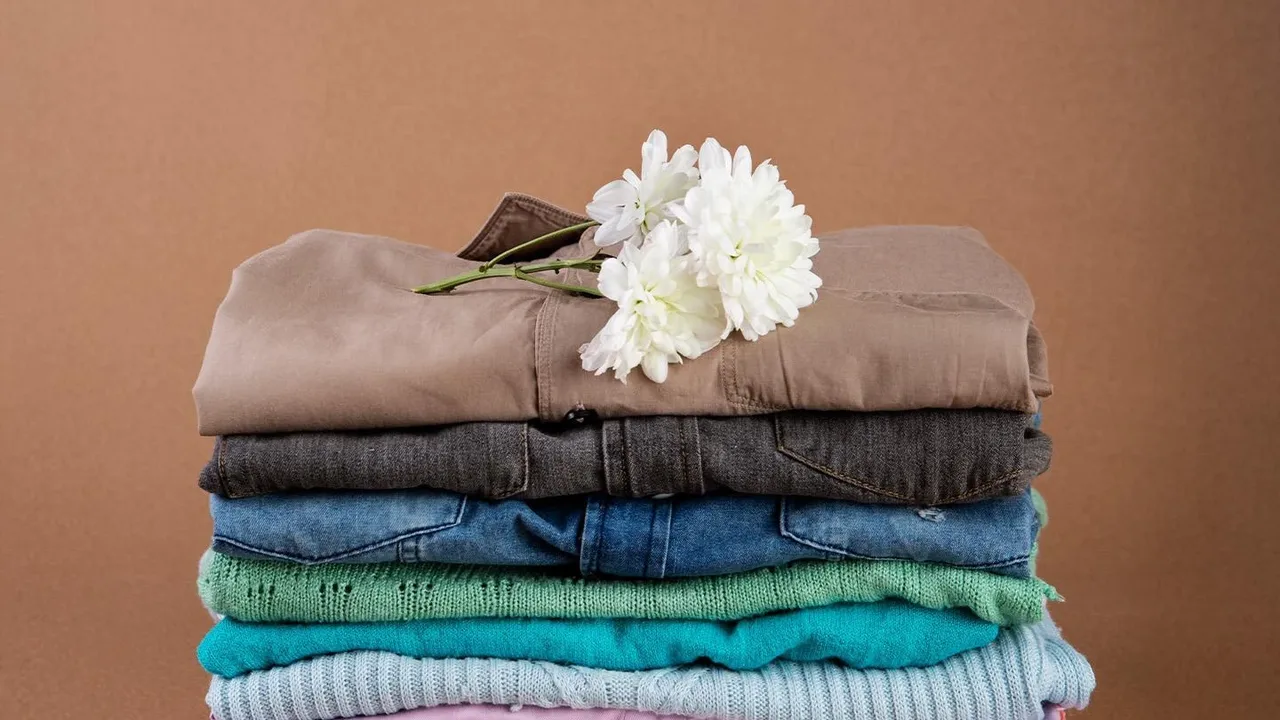
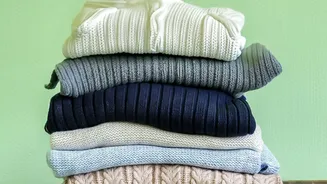
How you pack your clothes matters just as much as what you pack them in. Items that can lose their shape, such as heavy sweaters, knits, and cardigans, should always be folded. Hanging them can cause the shoulders to stretch and warp over time. Less bulky items like t-shirts can be rolled to save space and prevent creases. On the other hand, structured items like blazers, formal coats, and pieces made from easily wrinkled fabrics like rayon should be hung. Use wide, sturdy hangers and place these items in breathable garment bags for protection.
Find a Safe Storage Spot
The ideal storage location is cool, dry, and dark. Extreme fluctuations in temperature and humidity are the biggest enemies of stored clothing. This makes attics and basements risky choices unless they are very well-ventilated and dry. A better option is the top shelf of a closet, under a bed in a climate-controlled room, or in a spare room closet. Wherever you choose, ensure your containers are neatly labelled to make finding specific items effortless when the seasons turn again.
Protect Against Pests and Odours
To keep your clothes fresh and free from damage, add a natural pest repellent to your storage containers. Mothballs contain harsh chemicals and leave a strong odour, so consider natural alternatives. Cedar blocks or lavender sachets are excellent for deterring moths and other insects without damaging your clothes. You can also add silica gel packets to absorb any excess moisture, which is especially important in humid climates.