






Understanding the Price Pinch
The price of Aviation Turbine Fuel (ATF) and petrol directly impacts your holiday budget. ATF accounts for nearly 40% of an airline's operating costs, so when it surges, airlines often pass that on to consumers through higher fares or fuel surcharges.
Recent volatility has led some Indian carriers to reduce flight frequencies, which can further squeeze availability and push up prices for popular routes. Similarly, higher petrol and diesel prices mean that road trips and local cab fares for sightseeing become more expensive, adding a noticeable burden to your overall travel expenses. Domestic tour packages have reportedly become 10-12% more expensive as a direct result.
Fly Smarter or Take the Train
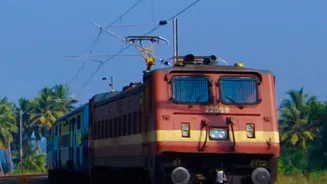
For many, flying is non-negotiable for long distances. To soften the blow, flexibility is your best weapon. Being able to adjust your travel dates by even a day or two can save you thousands of rupees. Booking your domestic flights 6-8 weeks in advance is generally the sweet spot for the best prices. However, don't overlook the Indian Railways, especially for journeys under 800 kilometres. An air-conditioned train ticket is often significantly cheaper than a flight on the same route, and you avoid the extra time and cost associated with airport check-ins and transfers. A growing trend among savvy travellers is the multi-modal trip: flying one way to your destination and taking a scenic train journey back.
Choose Your Destination and Timing Wisely
If your budget is tight, consider destinations that are closer to home. Shorter trips within a 200-300 km range can drastically cut down on transportation costs. Another proven strategy is to travel during the 'shoulder season'—the period just before or after the peak tourist rush. For example, the monsoon season from June to September often sees significant drops in hotel prices. Exploring destinations that offer good value for money is also key. Places like Vietnam and Thailand remain popular for their affordability in terms of food, local transport, and accommodation. Even within India, choosing a less-conventional destination can yield big savings.
Book Early and Be Decisive
Once you have a plan, lock in your prices. Global inflation and dynamic pricing mean that costs for flights and hotels can fluctuate daily. Booking accommodation and transport well in advance is one of the most effective ways to protect yourself from future price hikes. This is especially true when travelling during peak seasons or festival periods like Diwali, when train tickets and hotel rooms sell out fast. For train travel, it's wise to book at least two to three weeks early, particularly for popular routes. This secures your spot and insulates your budget from last-minute surges.
Control Your On-Ground Expenses
Your budgeting efforts shouldn't stop once you've booked your tickets and hotels. On-ground expenses for food, local transport, and activities can quickly add up. A smart rule is to eat like a local. Street food and local eateries are not only authentic but also much cheaper than tourist-trap restaurants. For getting around cities, use public transport like the metro where available. Multi-day transport passes often provide excellent value. If you need a cab, compare prices on apps like Ola and Uber rather than taking the first option. For sightseeing, remember that many museums and attractions offer free entry days or discounted passes that can lead to significant savings.