




How to Sail on a Sunbeam
At its core, a solar sail works a lot like a sailboat on water, but the 'wind' it catches is far more exotic. Instead of air, a solar sail is pushed by sunlight itself. Light is made of tiny particles called photons. While photons have no mass, they have momentum.
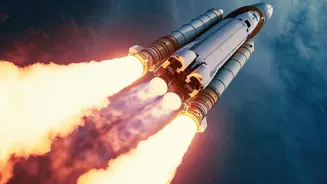
When countless photons from the sun bounce off a large, reflective, mirror-like sail, they transfer a tiny bit of that momentum, creating a gentle but constant push. Unlike a chemical rocket that provides a massive, fuel-guzzling burst of thrust for a short time, the force on a solar sail—known as photon pressure—is continuous. It's a whisper-light touch, but over days, weeks, and months in the frictionless vacuum of space, this constant acceleration can build up incredible speeds, all without carrying a single drop of propellant.
The Breakthrough: Lighter and Stronger
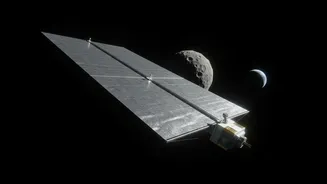
The dream of solar sailing has been around for decades, with early successful demonstrations from Japan's IKAROS mission and The Planetary Society's LightSail projects proving the concept. However, recent advancements are turning it from a novel experiment into a game-changing propulsion system. The key has been the development of new, ultra-lightweight composite materials for the booms—the structures that unfurl and support the sail. These new booms, made of flexible polymers and carbon fiber, are not only significantly lighter but also more rigid and less prone to flexing under temperature changes. This means sails can be made much larger, packed into smaller volumes for launch, and deployed more reliably. NASA's Advanced Composite Solar Sail System (ACS3) is a key demonstrator of this new technology, proving that these next-generation designs can function in orbit. These innovations dramatically improve a sail's efficiency, making missions that were once prohibitively expensive or complex suddenly achievable.
Why Asteroids are Perfect Targets
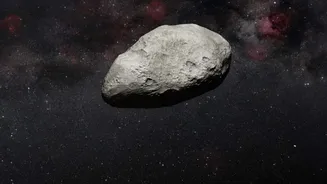
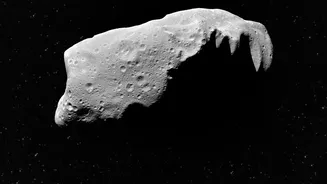
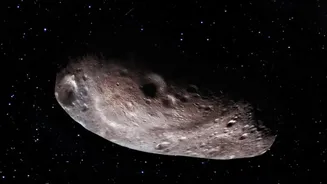
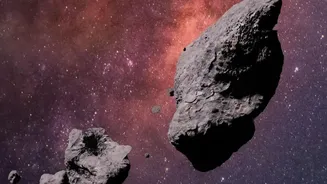
Near-Earth Asteroids (NEAs) are a prime destination for this new generation of solar sail probes. Missions like NASA's NEA Scout, which launched aboard the Artemis I flight, were designed specifically for this purpose. Getting to these small, fast-moving objects with conventional rockets requires massive amounts of fuel to perform the complex trajectory changes needed to match their orbit. A solar sail, however, thrives on these kinds of maneuvers. It can use its continuous, low-thrust propulsion to slowly but surely spiral out into the perfect path to intercept an asteroid. The target for NEA Scout was 2020 GE, an asteroid smaller than a school bus, representing a class of object we know very little about. Studying these bodies up close provides invaluable data for planetary defense, offers clues about the formation of our solar system, and is a crucial first step for the future commercial prospects of asteroid mining.
A Cost-Effective New Era of Exploration
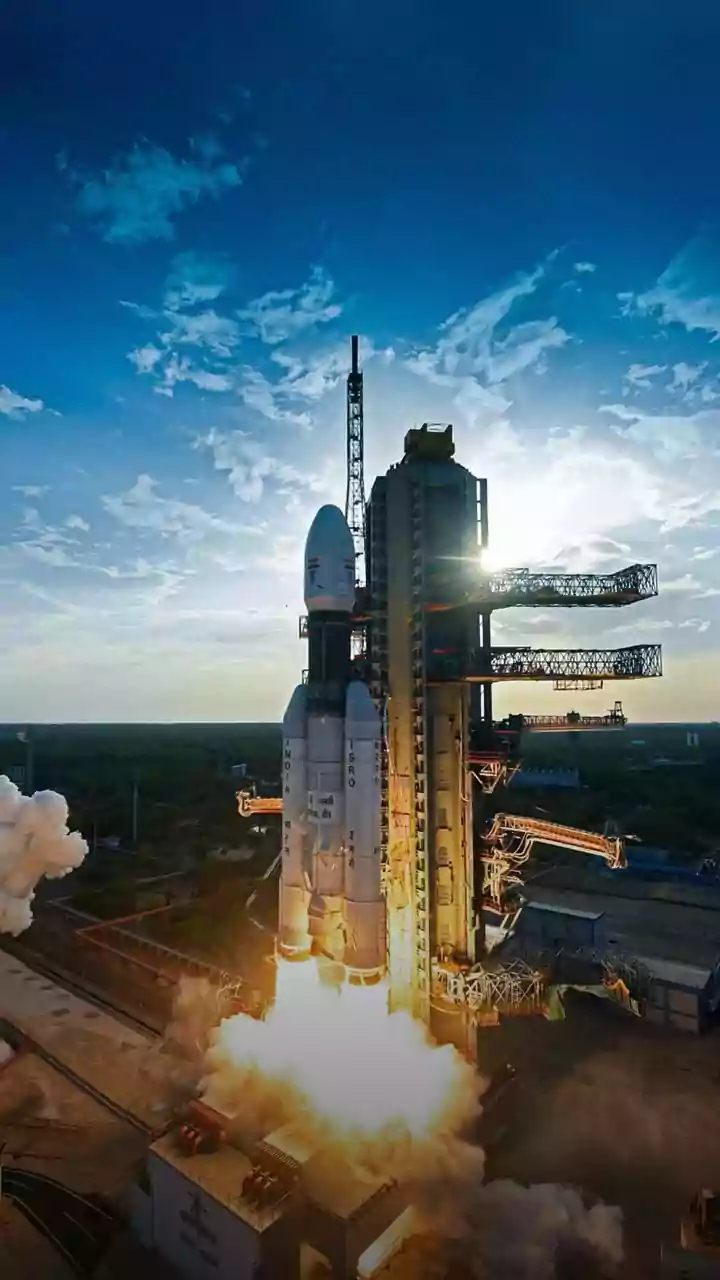
The real business case for solar sails is efficiency and cost. By eliminating the need for heavy, expensive propellant, the entire mass of the spacecraft is drastically reduced. A lighter spacecraft means it can be launched on smaller, cheaper rockets, often as a 'rideshare' payload on a larger mission, as NEA Scout did. This cost reduction is opening the door for more frequent science and reconnaissance missions. A recent market analysis projects the solar sail technology market could grow from $1.8 billion in 2025 to nearly $4.9 billion by 2034, driven by these very factors. Agencies like NASA and ESA are now exploring solar sails for a wide range of applications, from placing solar weather observatories in unique orbits to provide earlier storm warnings, to potentially sending probes to the outer planets on missions that would be impossible with chemical rockets alone.