





What is an Urban Heat Island?
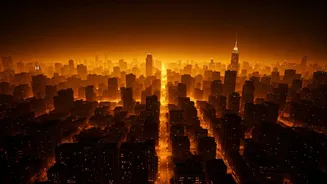
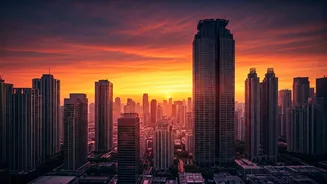
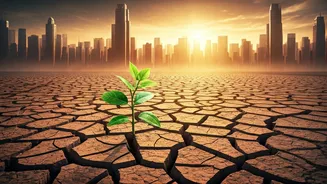
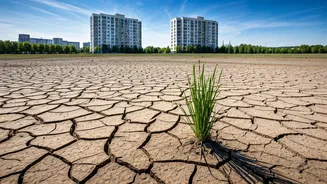
An Urban Heat Island, or UHI, occurs when a metropolitan area is significantly warmer than the surrounding rural areas. The main cause is the replacement of natural landscapes like forests, fields, and water bodies with man-made surfaces. Concrete buildings,
asphalt roads, and other dark surfaces absorb and retain the sun's heat far more than natural vegetation. This stored heat is then slowly released, particularly at night, preventing cities from cooling down and leading to higher average temperatures. The temperature difference can be as much as 5°C or even more in some cases, turning our cities into literal islands of heat.
The Evolution: A Growing Threat for Indian Cities
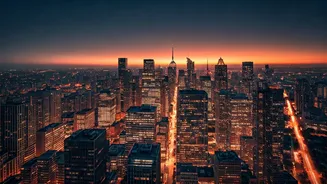
The UHI effect is not new, but it is evolving and intensifying, particularly in rapidly urbanizing nations like India. As cities like Delhi, Mumbai, and Bengaluru expand, green spaces are shrinking, replaced by dense clusters of buildings and extensive road networks. Recent analysis highlights that this rapid, often unplanned, construction is turning major Indian cities into persistent heat traps. This is amplified by waste heat generated from air conditioners, vehicles, and industrial activity. Climate change acts as a dangerous multiplier, making heatwaves more frequent and severe, which in turn worsens the UHI effect in a vicious cycle. Studies now show that many Indian cities are warming much faster than surrounding rural areas, a trend that conventional climate models may have underestimated.
Critical Health and Social Warnings
The consequences of a hotter city are not just about discomfort. They pose serious health risks. Elevated temperatures, especially the lack of cooling at night, increase the incidence of heat exhaustion, heatstroke, and cardiovascular stress. The elderly, children, and outdoor workers are particularly vulnerable. Furthermore, higher temperatures can worsen air quality by trapping pollutants like ozone, leading to respiratory problems. This public health challenge is growing, with heat stress being identified as a major concern. The impact is also social and economic. Increased demand for air conditioning strains power grids, leading to higher energy consumption and potential blackouts during peak heat. This also hits lower-income households the hardest, as they often live in less-green areas with poor housing and cannot afford the costs of cooling.
Cooling Our Concrete Jungles: The Path Forward
The warnings are critical, but the situation is not hopeless. Cities can fight back against the heat island effect through strategic urban planning and green initiatives. One of the most effective solutions is increasing vegetation. Planting more trees, creating parks, and installing 'green roofs' and walls helps provide shade and cools the air through evapotranspiration. Another powerful strategy involves using 'cool' materials. Painting roofs white or using light-coloured, reflective materials for pavements and buildings can dramatically reduce heat absorption. Some cities are already exploring these solutions. These 'grey' and 'green' solutions not only lower temperatures but also improve air quality, reduce energy costs, and create more liveable and resilient urban environments for everyone.