




Beyond the Basic Tiffin
For generations, the insulated lunch box was the primary solution for carrying a home-cooked meal. While traditional vacuum-insulated containers are great, they rely on passive heat retention. This means your food starts losing warmth the moment it's
packed. By lunchtime, it's often tepid at best. The demand for better solutions has grown, driven by a desire for healthier eating, the need to save money on expensive takeaway lunches, and the simple, universal disappointment of a cold meal. This has paved the way for a major upgrade: lunchboxes that don’t just store heat, but actively create it.
The Rise of the Electric Lunchbox
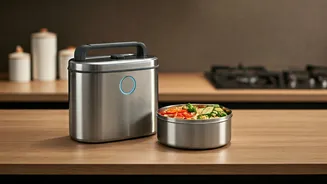
The most significant innovation is the electric lunchbox. These portable appliances are a game-changer for office workers, students, and anyone on the move. Instead of just insulating, they contain a low-wattage heating element that warms your food over 20 to 45 minutes. Simply pack your meal in the removable stainless steel containers, plug it into a wall socket or even a car's 12V adapter about half an hour before you're ready to eat, and enjoy a piping hot lunch. Brands popular in India like Milton, Cello, and Wonderchef offer various models that cater to different needs, from compact single-person tiffins to larger multi-container sets for a complete meal of dal, rice, and sabzi. They heat food gently, preserving moisture and flavour far better than a microwave.
Smarter Insulation and New Designs
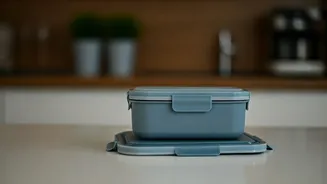
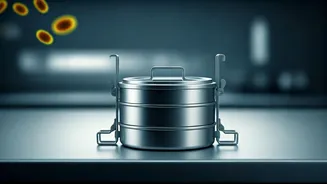
Even for those not ready to go electric, traditional insulation has improved dramatically. Modern vacuum flasks and food jars made from high-grade stainless steel now offer better performance, keeping food hot for up to 10 or 12 hours. The trick is to pre-heat the container by filling it with boiling water for a few minutes before adding your hot food. Additionally, new designs incorporate features like multiple stackable compartments within a single insulated canister, allowing you to carry different dishes without them mixing. Some even come with integrated folding spoons and pressure-release valves for easier opening.
The Next Frontier: Cordless and Smart
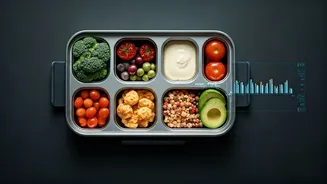
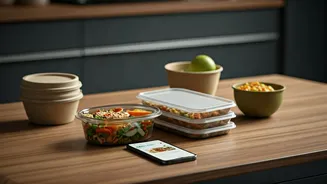
The innovation doesn't stop there. The latest trend is the cordless, battery-powered heated lunchbox. These models feature large rechargeable batteries, offering the freedom to heat a meal truly anywhere, from a park bench to a construction site, without needing a power outlet. Some models use advanced far-infrared technology to heat food evenly without affecting its nutritional value. Looking further ahead, 'smart' containers are also emerging. While currently focused on tracking freshness with sensors and apps to reduce food waste, the technology could easily integrate with heating elements in the future, allowing you to schedule your meal to be hot and ready at a specific time.
Is It Worth the Upgrade?
Upgrading your lunchbox is an investment. Electric models can be more expensive than their traditional counterparts and require access to a power source. You also have to remember to plug them in ahead of time. However, the payoff is significant. The ability to enjoy a hot, home-cooked meal boosts morale and is often healthier and more cost-effective than buying lunch every day. It opens up your lunch options from cold salads and sandwiches to warm leftovers, soups, and freshly heated rice and curries. For those who value a satisfying midday meal, the new generation of hot food storage is more than a gadget; it's a daily quality-of-life improvement.