




The Problem with Polished White Rice
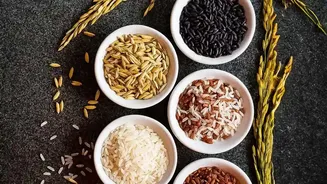
The white rice commonly found in our kitchens undergoes a polishing process that removes the outer bran and germ. While this gives it a soft texture and longer shelf life, it strips away most of the essential nutrients, including fiber, vitamins, and minerals.
What’s left is primarily starch, which can cause rapid spikes in blood sugar. With a high glycemic index (GI) of around 73, white rice offers quick energy but lacks the sustained benefits of whole grains, leaving you hungry sooner and contributing very little to your daily fiber needs.
Introducing Foxtail Millet (Kangni)
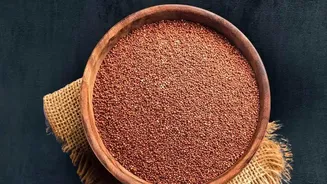
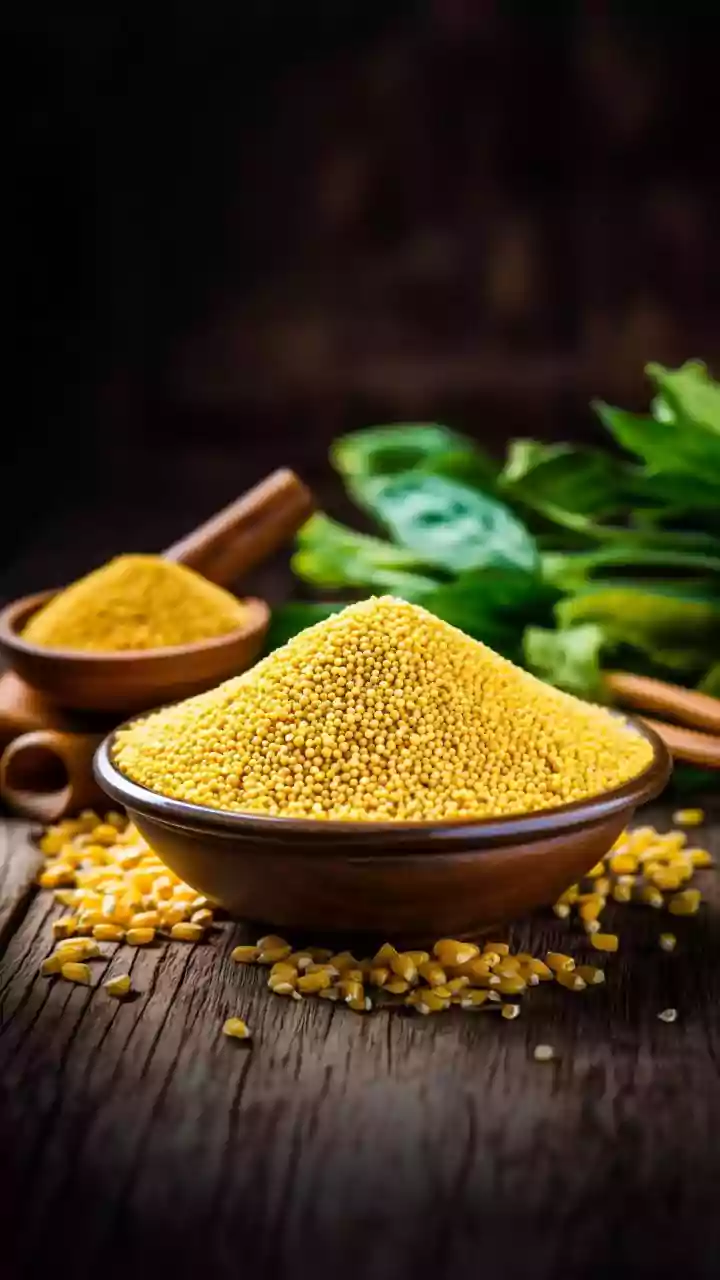
Foxtail millet, known as Kangni in Hindi and Thinai in Tamil, is a small, yellowish grain that was a staple in India for centuries. It's making a comeback for good reason. This gluten-free supergrain is packed with nutrients. It is a fantastic source of protein, with about 12.3g per 100g—nearly double that of white rice. It is also rich in dietary fiber, which aids digestion and promotes a feeling of fullness, assisting in weight management. Furthermore, foxtail millet is loaded with essential minerals like iron and calcium, which are crucial for maintaining strong bones and preventing anemia.
Spotlight on Sorghum (Jowar)
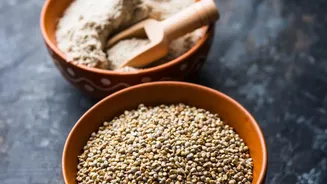
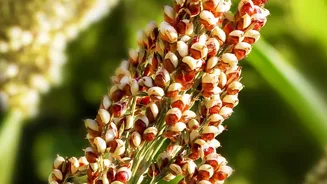
Sorghum, or Jowar as it’s widely known, is another nutritional powerhouse and one of the most popular millets in India. This versatile, gluten-free grain is celebrated for its health benefits. Sorghum is particularly rich in protein and fiber, making it an excellent food for digestive health and for keeping you full longer. It's also packed with antioxidants that help fight inflammation and reduce oxidative stress. Importantly, sorghum has a low glycemic index, which helps in managing blood sugar levels, making it a favorable choice for individuals with diabetes. Its high content of minerals like magnesium and phosphorus contributes to better bone health.
The Nutritional Showdown
When you place these grains side-by-side, the advantages of millets become clear. A 100g serving of polished white rice contains a mere 0.2g of fiber, whereas foxtail millet offers a substantial 8g. In terms of protein, white rice provides about 6.8g, while foxtail millet boasts 12.3g and sorghum around 10.4g. Perhaps the most critical difference is the glycemic index (GI), a measure of how quickly a food raises blood sugar. Polished rice has a high GI of about 73, while foxtail millet and sorghum have a much lower GI, typically around 50-55, promoting more stable energy levels. Millets also significantly outperform rice in mineral content, offering much more iron, calcium, and magnesium.
How to Cook Millets as a Rice Substitute
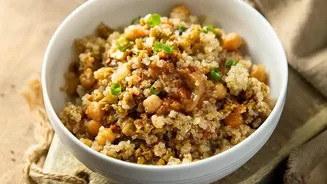
Making the switch is surprisingly simple, as millets can be cooked much like rice. For fluffy foxtail millet, first, rinse one cup of the grain thoroughly. While not mandatory, soaking it for at least an hour can improve texture and reduce cooking time. To cook, use a ratio of one cup of millet to about two or two-and-a-half cups of water. Bring the water to a boil, add the drained millet, reduce the heat, cover, and simmer for 15-20 minutes until the water is absorbed. Let it rest, covered, for about 10 minutes before fluffing with a fork. Sorghum can be cooked similarly, often using a 1:3 grain-to-water ratio and simmering for about 40-55 minutes until tender. You can use a pressure cooker for both to save time.
More Than Just a Simple Swap
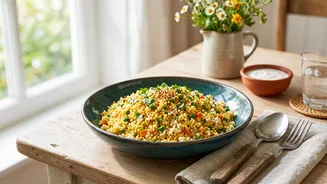
Replacing plain steamed rice is just the beginning. The slightly nutty and chewy texture of these millets makes them incredibly versatile. You can use cooked foxtail millet or sorghum as a base for pulao, biryani, and lemon rice. They work wonderfully in salads, providing a more satisfying and nutritious alternative to other grains. You can also grind them into flour to make rotis, dosas, and even baked goods. By incorporating these millets into various dishes, you not only enhance the nutritional value of your meals but also add new textures and flavors to your culinary repertoire.