





The Scale of the Problem
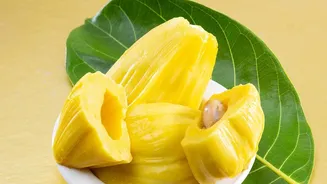
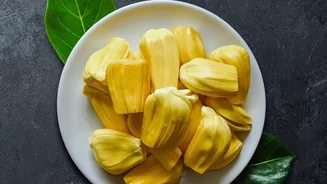
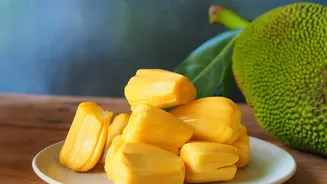
India is the world's largest producer of jackfruit, yet a staggering amount of it goes to waste each year. In states like Kerala, which produces nearly half of the country's total, estimates suggest that the majority of the fruit remains unutilised, leading
to significant economic and nutritional losses. The seeds, which make up about 10-15% of the fruit's total weight, are a major part of this waste. Traditionally, they might be boiled or roasted, but on a commercial scale, millions of seeds are simply thrown away, representing a missed opportunity for both nutrition and income.
The Transformation: From Seed to Flour
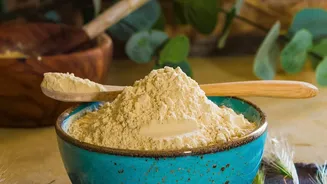
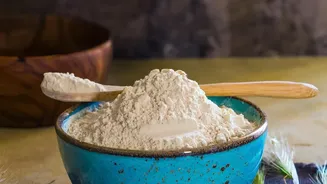
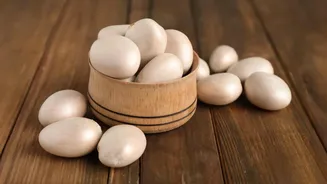
The process of turning these discarded seeds into valuable flour is a straightforward yet careful one. First, the seeds are collected and thoroughly washed. The thin, white outer skin (spermoderm) is removed after boiling or steaming the seeds until they are tender. This step is crucial as it helps reduce antinutritional factors like tannins that can be present in the raw seeds. Once peeled, the seeds are sliced or grated to speed up drying, then either sun-dried or oven-dried to remove moisture. The final step is milling the dried pieces into a fine, versatile powder, ready for the kitchen.
A Nutritional Powerhouse
Jackfruit seed flour is more than just a sustainable innovation; it's a nutritional powerhouse. It is naturally rich in protein, complex carbohydrates, and dietary fibre. Compared to many common gluten-free flours like those from rice or potato, jackfruit seed flour boasts a significantly higher protein content. It is also packed with essential minerals like potassium, calcium, magnesium, and iron. Furthermore, the flour contains important vitamins like thiamine and riboflavin, which help the body convert food into energy, and phytonutrients like saponins and isoflavones, which have antioxidant properties.
A Boon for Gluten-Free Diets
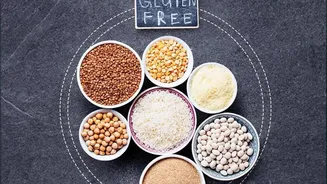
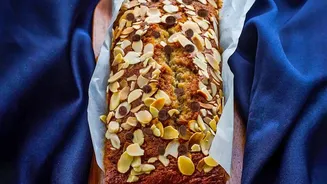
For individuals with celiac disease, gluten sensitivity, or those simply looking to reduce their gluten intake, jackfruit seed flour is a game-changer. Its smooth texture and ability to blend well without the grittiness found in some other gluten-free alternatives make it highly versatile. It holds moisture well, which helps to combat the dry, crumbly texture often associated with gluten-free baking. Studies have shown that incorporating jackfruit seed flour can significantly boost the protein and fibre content of bakery products, enhancing their nutritional profile without compromising on sensory properties.
In the Indian Kitchen and Beyond
The flour has a neutral, slightly nutty taste that doesn't overpower other ingredients, making it easy to incorporate into a wide range of dishes. It can be blended with regular wheat flour to make nutrient-dense rotis and chapatis or used in gluten-free recipes for everything from pancakes and muffins to pasta and energy bars. Its natural starchiness also makes it an excellent thickening agent for soups and curries, adding a nutritional boost where other starches might just add empty calories. Companies and innovators across India, like Maruti Foods in Odisha and other startups, are beginning to market this flour, making it increasingly accessible to consumers.