






Before the Call: Your Tech Rehearsal
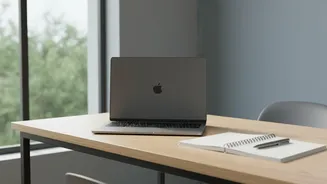
Confidence begins with preparation, and in a hybrid interview, that means a thorough tech rehearsal. Don't just assume your setup works; test it rigorously. A few days before, check your internet connection's stability. If possible, opt for a wired ethernet
connection over Wi-Fi to ensure a reliable stream. Test your camera and microphone, making sure the audio is clear and the video is sharp. Use the exact software the company will use—whether it's Zoom, Microsoft Teams, or Google Meet. Familiarize yourself with its features. Close all unnecessary applications and browser tabs before the interview to prevent slowdowns and distracting notifications. This proactive approach shows an employer you are professional and can manage the technical demands of a remote or hybrid role.
Set the Stage for Success
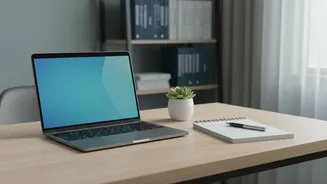
Your environment directly influences your mindset. A professional setting doesn’t just impress the interviewer; it helps you feel more capable and composed. Choose a quiet, well-lit space where you won't be interrupted. Natural light is ideal, but a lamp placed in front of you can also provide clear, flattering illumination. Pay attention to your background. It should be clean and free of distractions. A tidy bookshelf or a neutral wall is far better than a cluttered room. While virtual backgrounds are an option, a real, professional background is often preferable. Finally, dress as you would for an in-person interview. This simple act signals to your brain that this is an important event, helping you shift into a professional, confident headspace.
Project Confidence on Camera
In a video call, non-verbal cues are magnified. Projecting confidence requires conscious effort. The most critical element is eye contact. Instead of looking at the interviewer's face on the screen, train your eyes on the camera lens itself. This creates the impression of direct eye contact. Sit up straight, with your shoulders back, to convey engagement and self-assurance. Use hand gestures naturally as you speak, but keep them within the frame. Nodding while the interviewer speaks shows you are actively listening. It's also helpful to have a friendly, engaged expression. These physical cues are your digital handshake, conveying confidence before you even deliver a perfectly crafted answer.
Articulate Your Tech Readiness
Being tech-ready is more than just having a working camera. For entry-level roles, especially in tech-adjacent fields, you must prove you can learn and adapt. Don’t just list the software on your resume; provide concrete examples. Use the STAR method (Situation, Task, Action, Result) to describe academic projects, internships, or even personal projects where you used relevant technology. Explain a problem you encountered and how you used a specific tool or programming language to solve it. This narrative approach is far more compelling than simply stating you have a skill. If you're applying for an IT role, be prepared for questions about troubleshooting common hardware, software, and network issues.
Handle Glitches with Grace
Despite your best preparations, technical issues can happen. Your internet might drop, or the software could freeze. How you react is a powerful test of your professionalism and problem-solving skills. The key is to stay calm and not panic. If your connection fails, immediately try to rejoin. If you can't, send a quick email or text from your phone explaining the situation. Most recruiters understand that these things happen and will not hold it against you. Having a backup plan, like your phone's hotspot, shows foresight. Handling a technical glitch with poise and a clear head demonstrates more confidence and competence than a flawless interview where nothing goes wrong. It shows the interviewer you can stay composed under pressure.