







A Season of Deficit
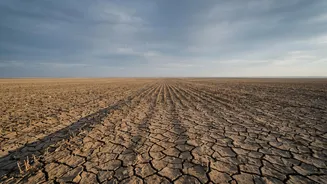
The 2026 monsoon season has been a story of sharp contrasts. Following a significant 35% rainfall deficit in June, July brought a brief respite with near-normal rains. However, August proved to be exceptionally dry and warm, ending with a rainfall deficit of about
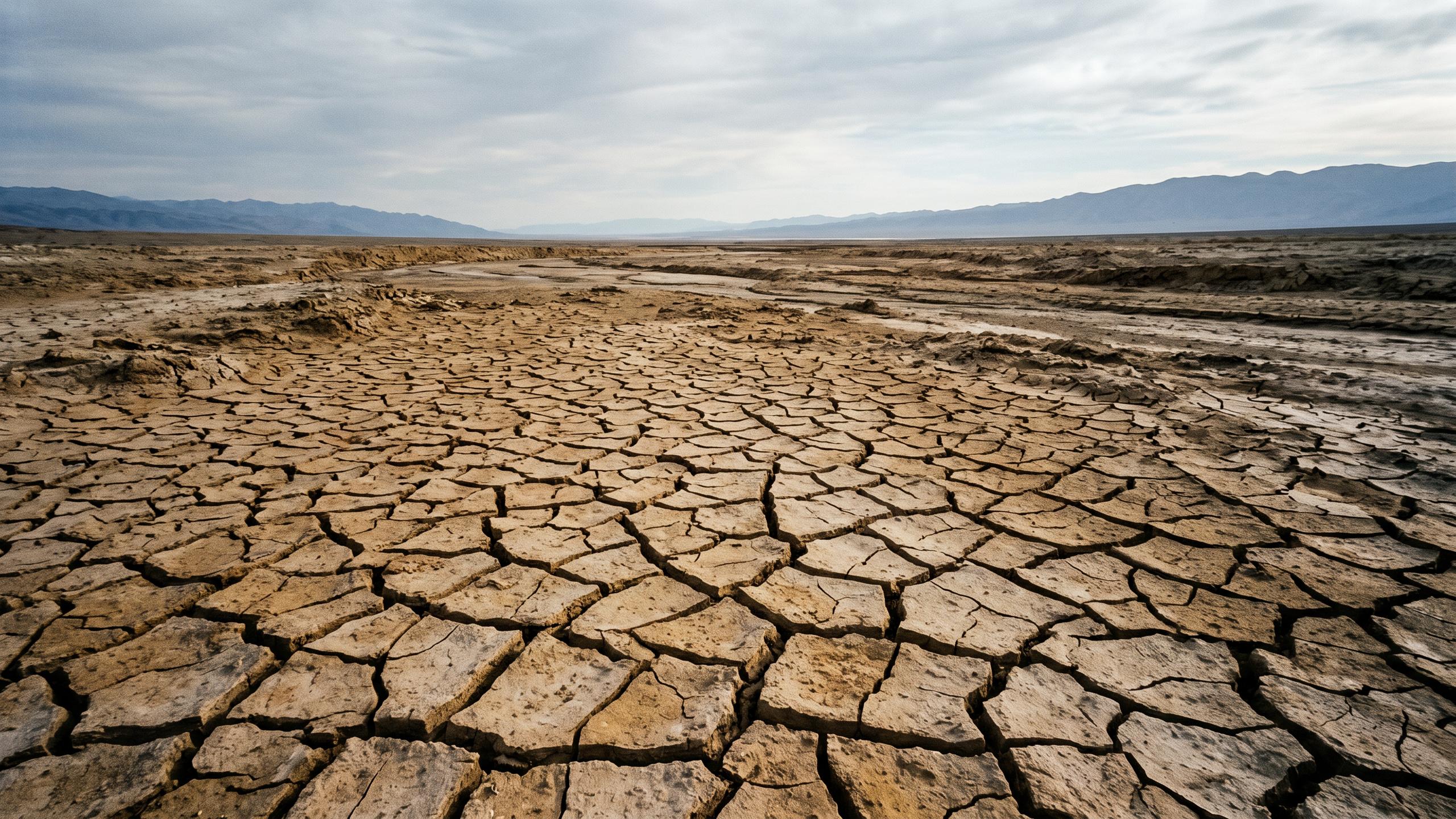
16%. This pushed the cumulative shortfall for the season (from June 1 to August 31) to around 14% below the long-period average. According to the India Meteorological Department (IMD), this made August 2026 the warmest since records began in 1901. The primary driver for this suppressed rainfall is the strengthening El Niño condition over the Pacific Ocean, which is historically linked to weaker monsoons in India. With the IMD forecasting below-normal rainfall for September as well, the risk of a drought year—the first in over a decade—has become a serious concern.
Reservoirs Under Pressure
September rainfall is critical for topping up India's major reservoirs, which are the lifeline for drinking water, agriculture, and power generation through the long dry season. A weak end to the monsoon means these reservoirs may not reach their full capacity, putting immense pressure on water management authorities. As of early September, reservoir levels in many parts of the country were already a concern, particularly in the southern peninsula, which has seen a cumulative deficiency of over 24%. While the Central Water Commission monitors the storage status of key reservoirs, the reality on the ground is that states must now plan for judicious use of available water. With subdued rainfall activity expected to continue over peninsular India for the next week, the strain on these water bodies will only intensify, potentially leading to supply restrictions in urban and rural areas.
The Critical Impact on Kharif Crops
For farmers, the timing of the monsoon's retreat is just as important as the total rainfall. The standing Kharif (fall) crops, especially water-intensive ones like rice and sugarcane, are currently in a crucial growth phase that requires adequate soil moisture. A dry September can severely impact yields. Even a short period of water stress at this stage can lead to poor grain development and significant losses. The rainfall deficit is already threatening to cut rice production by an estimated 4.5% and corn by 9.3%. This directly affects farmers' incomes and raises the risk of higher food prices across the country, adding to inflationary pressures. In response to the weak monsoon, some experts have advised farmers to shift towards crops that require less water, such as millets and pulses, to mitigate their risk.
What to Expect in September
The forecast for September offers little reassurance. The IMD predicts that rainfall for the month is likely to be below 91% of the long-period average. While some parts of eastern and central India may receive rainfall due to low-pressure systems, much of the country, especially the south peninsula, is expected to remain dry. August 2026 saw an unusual number of low-pressure system days, but the rain was largely concentrated in specific areas, leaving others deficient. Weather models suggest a sharp reduction in monsoon activity after the first week or two of September, with conditions becoming favorable for the monsoon to begin its withdrawal from northwest India between September 10 and 20. An early withdrawal coupled with a rainfall deficit solidifies the challenges ahead, leaving a narrow window for any late-season recovery.