
A Major Milestone for Astronaut Safety
In a significant achievement for India's space ambitions, ISRO has successfully conducted a series of tests validating the Gaganyaan mission's Crew Escape System (CES). While the headline marks a recent success, it represents the culmination of numerous
trials, including Pad Abort Tests and in-flight demonstrations like the TV-D1 mission. These tests are designed to prove that in the unlikely event of an emergency on the launchpad or during ascent, the capsule carrying the astronauts can be safely jettisoned away from the rocket. This latest success provides a massive confidence boost, confirming that the most critical safety mechanism designed to protect the 'Gaganyatris' is robust and reliable.
What is the Gaganyaan Mission?
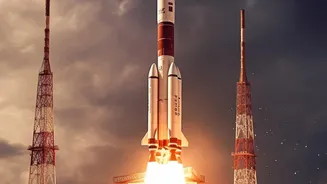
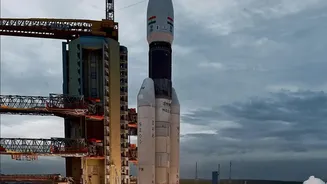
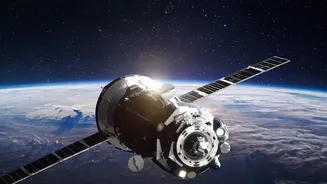
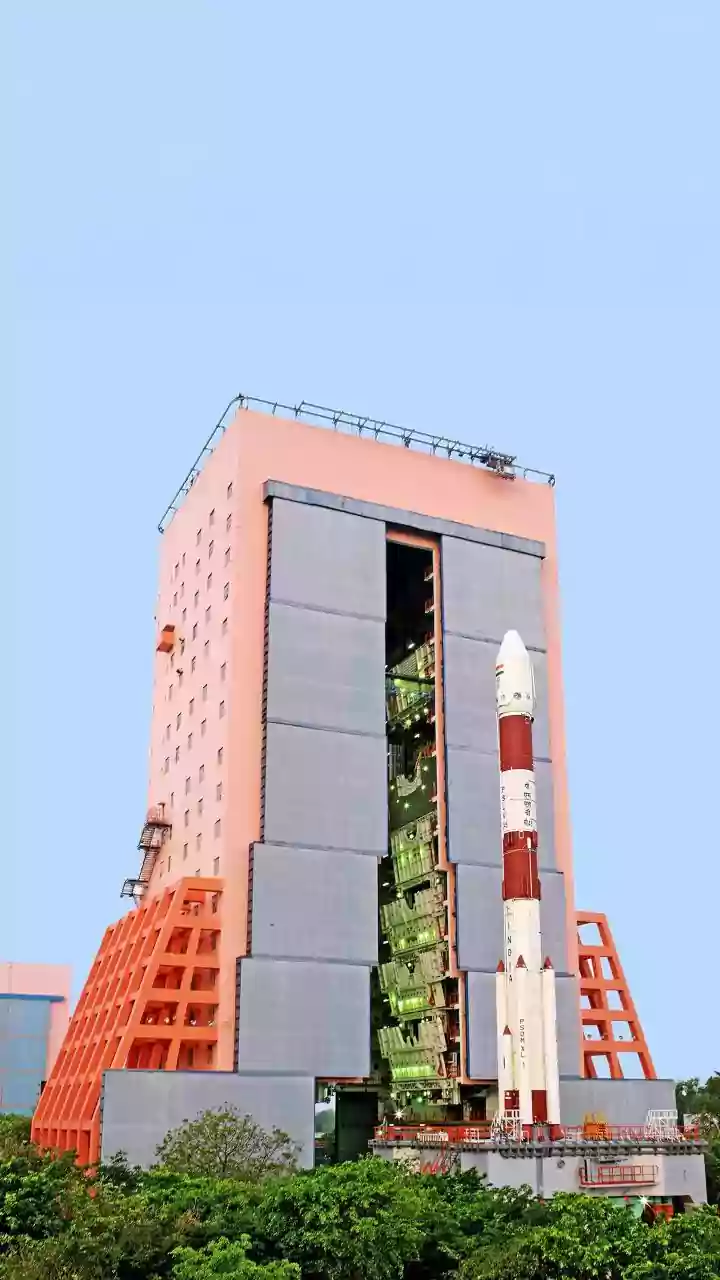
Gaganyaan, which means "celestial vehicle" in Sanskrit, is India’s ambitious initiative to send a human crew into space. The primary objective is to launch a crew of three astronauts into a Low Earth Orbit of about 400 kilometres for a mission lasting up to three days and bring them back safely to Earth with a splashdown in the Indian Ocean. This historic endeavour will make India only the fourth country in the world—after Russia, the United States, and China—to have an independent capability for human spaceflight. The mission will use a human-rated LVM3 rocket, a modified version of ISRO's most powerful launch vehicle, to carry the orbital module into space.
The Ultimate Ejection Seat Explained
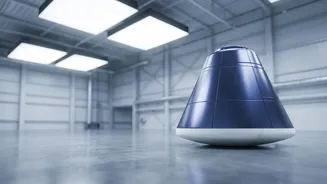
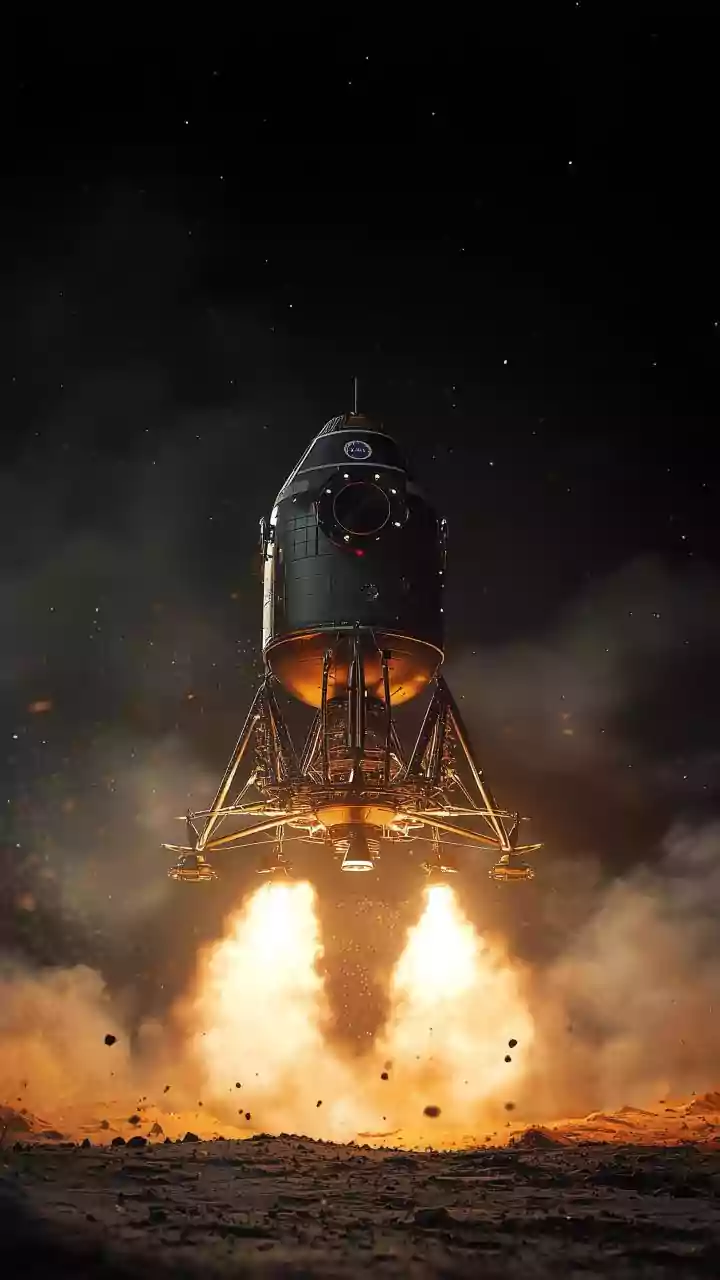
The Crew Escape System is arguably the most important component of any crewed space mission. Think of it as a highly advanced ejection seat for the entire astronaut capsule. The system consists of a set of powerful, quick-acting solid-fuel motors mounted on a tower above the crew module. In the event of a catastrophic failure, these motors fire within milliseconds, pulling the crew module away from the malfunctioning rocket with immense force—generating more acceleration than the launch vehicle itself. Once at a safe distance, the system detaches, and a sequence of parachutes deploys to ensure the crew module descends slowly and safely for recovery. It is a lifeline designed to work flawlessly during the most dangerous phases of a launch.
Why This Test Was So Critical
For any nation aspiring to send its citizens into the harsh environment of space, astronaut safety is the absolute highest priority—more important than mission success itself. The launch phase is fraught with risk, as the rocket is under immense structural and aerodynamic stress. The success of the Crew Escape System is non-negotiable. By repeatedly and successfully testing this system under various simulated failure conditions, ISRO is not just ticking a box on a checklist; it is rigorously proving its commitment to safety. These validations demonstrate India’s maturity in developing complex, human-rated systems and build the necessary trust required before putting human lives on the line. Each successful test lessens the risk and brings the mission closer to its operational phase.
The Road Ahead to a Crewed Launch
With this critical safety milestone achieved, ISRO is now closer to the next phases of the Gaganyaan program. The path forward involves a series of uncrewed test flights to validate all systems in an integrated manner. The first of these, the G1 mission, is planned to carry a humanoid robot named 'Vyommitra' to test life-support systems and other functions in a real space environment. Following at least two successful uncrewed missions, ISRO will proceed with the first crewed flight, H1, which is currently anticipated around 2027. The four astronaut-designates, all decorated test pilots from the Indian Air Force, are continuing their extensive training in preparation for this historic flight.