

What Are the Perseids?
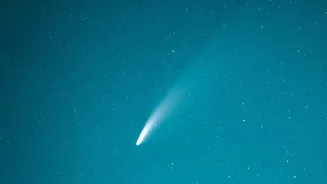
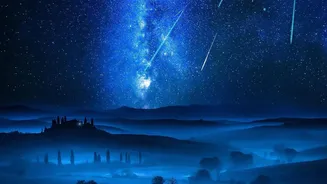
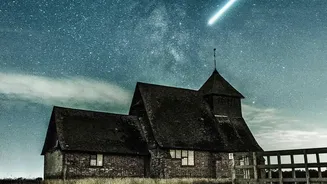
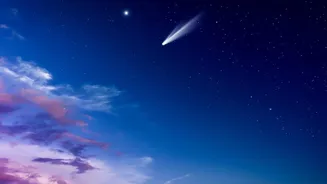
The Perseid meteor shower is a reliable and dazzling show that graces our skies every year from mid-July to late August. These streaks of light, often called shooting stars, are not stars at all. They are actually tiny bits of ice and rock debris left
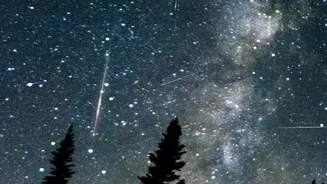
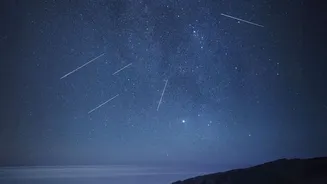
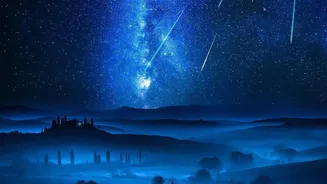
behind by a massive comet named Swift-Tuttle. Each August, Earth’s orbit takes it through this trail of cometary dust. As these particles, some no bigger than a grain of sand, hit our atmosphere at incredible speeds, they burn up and create the brilliant flashes of light we see from the ground. The shower is famous for its high rate of bright, fast meteors that often leave long, glowing trails behind them, making it a favourite for stargazers in the Northern Hemisphere.
The Moonless Advantage of 2026
This year is special. The single biggest obstacle to viewing a meteor shower is a bright moon, which can wash out the sky and hide all but the most brilliant fireballs. In 2026, however, the peak of the Perseid shower perfectly aligns with the new moon on August 12. This means the sky will be completely dark, providing the ideal black canvas for the meteors to put on their show. Astronomers and sky-watchers are calling it a blockbuster year, with conditions that are nothing short of perfect for viewing. This lack of moonlight significantly increases the number of meteors you'll be able to spot with just your naked eye, making it one of the best viewing opportunities in recent memory.
When and Where to Look
Mark your calendar for the night of Wednesday, August 12, into the pre-dawn hours of Thursday, August 13, 2026. This is when the shower is expected to reach its peak activity. While you can see meteors in the days leading up to and after this date, the highest concentration will be during this window. For the best experience, start looking after midnight, as the Earth rotates into the densest part of the debris stream. The hours just before dawn are often the most spectacular. The meteors will appear to radiate from the constellation Perseus in the northeast, but you don’t need to stare at that one spot. In fact, it's better to find a comfortable position and scan as much of the open sky as possible, as meteors can appear anywhere.
Your Guide to a Perfect Viewing
You don't need any special equipment like telescopes or binoculars; your eyes are the best tools for the job since they allow you to take in the widest view of the sky. The most important step is to get away from city lights. Find a location with a clear, unobstructed view of the sky, like a rural park or even just a dark backyard. Give your eyes at least 20 to 30 minutes to fully adapt to the darkness—and resist the urge to look at your phone, as the bright screen will ruin your night vision. Patience is key; the meteors often come in spurts. Under these ideal, dark-sky conditions, you could see anywhere from 50 to over 100 meteors per hour during the peak.
Pack for Comfort
Since you'll be sitting still for a while, make the experience as comfortable as possible. A reclining lawn chair or a thick blanket on the ground will help you watch the sky without straining your neck. Even on a warm August day, nights can get surprisingly chilly, so bringing an extra layer of clothing or a blanket is a good idea. Packing some warm drinks and snacks can also make the late-night vigil more enjoyable. If you need a light, use a flashlight with a red filter or a red-light setting. Red light is less harsh and won't interfere with your dark-adapted eyes, ensuring you don't miss a single streak of light.