




Resist the Rough Towel Rub
When you step inside, soaked from the rain, avoid the temptation to vigorously rub your hair with a standard bath towel. Wet hair is in its most fragile state; the hair shaft swells, making it stretchy and prone to snapping. The coarse fibers of a typical
terrycloth towel create friction, which roughs up the hair's protective outer layer, known as the cuticle. This aggressive rubbing action is a direct cause of frizz, tangles, and breakage. Instead of rubbing, your first move should always be to gently squeeze the excess water out of your hair, working from the roots down to the ends. This simple change in technique makes a significant difference in preventing immediate damage.
Swap Your Towel for a Softer Alternative
The right tool for drying is crucial. Experts strongly recommend switching from a standard bath towel to a microfiber towel or even a soft, clean cotton T-shirt. Microfiber towels are designed with ultra-fine, tightly woven fibers that are far gentler on the hair cuticle. They are also highly absorbent, capable of soaking up excess water quickly without the need for damaging friction. Similarly, the smooth fabric of a cotton T-shirt is much kinder to your strands than the rough loops of a terrycloth towel. Gently blotting and squeezing your hair with one of these alternatives will remove a significant amount of moisture while keeping the cuticle smooth and minimizing frizz.
Detangle with Patience and the Right Comb
Once you've gently blotted your hair, the next step is detangling. Because wet hair breaks so easily, it's vital to be cautious. Never use a brush on soaking wet hair. Instead, opt for a wide-tooth comb. Start combing from the ends of your hair and gradually work your way up to the roots. This method prevents you from pulling and snapping tangles, which creates more breakage. For extra slip and protection, apply a leave-in conditioner or detangling spray before you begin combing. This will help the comb glide through more easily and add a layer of moisture to your strands.
The Safest Method: Air-Drying
The healthiest way to dry your hair is to let it air-dry, as this avoids heat damage entirely. However, letting hair stay wet for a prolonged period can also be stressful for the strands. To air-dry effectively, start by removing as much moisture as possible with your microfiber towel or T-shirt. Apply a leave-in conditioner or an anti-frizz serum to keep hair smooth as it dries. You can help shape your hair by creating loose braids or a bun, which can result in soft waves once dry. The most important rule of air-drying is to avoid touching your hair too much while it's drying, as this can disrupt the strand alignment and create frizz.
If You Must Use a Blow-Dryer
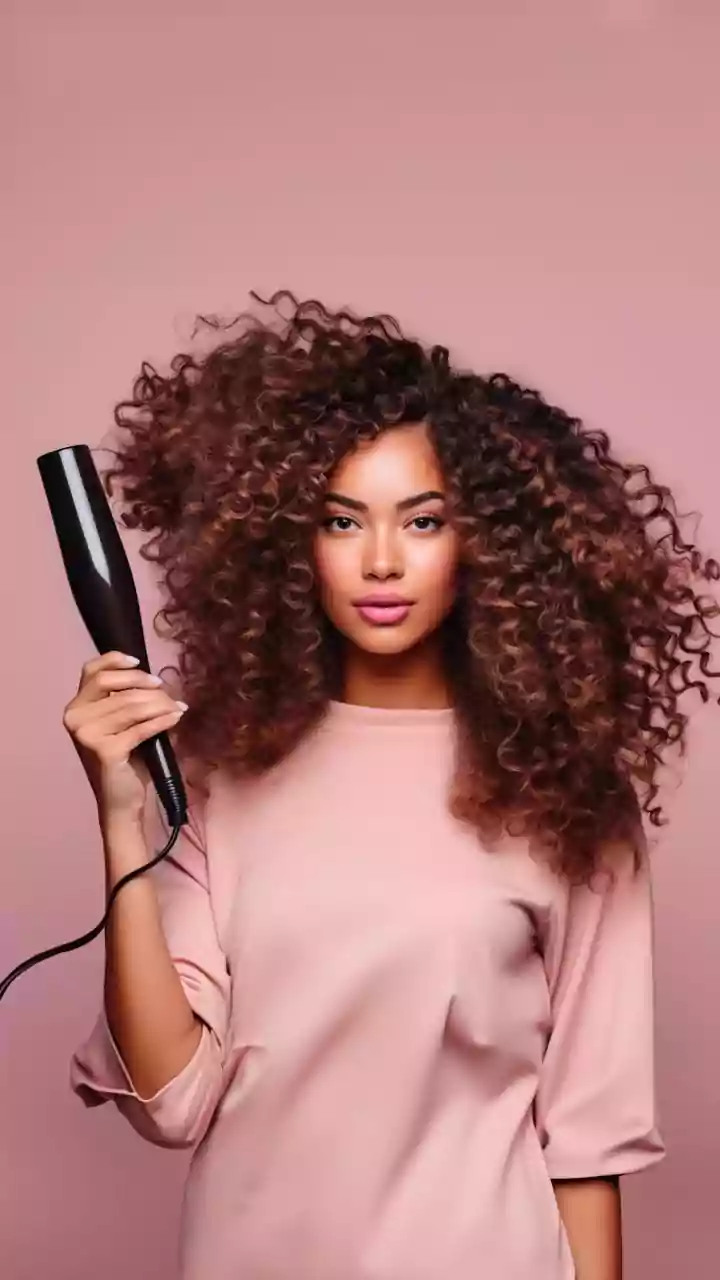
If time is short and you need to use a blow-dryer, there is a right way to do it. First and foremost, always apply a heat protectant spray. This creates a barrier between the heat and your hair. Let your hair air-dry until it is at least 60-75% dry before you even turn the dryer on; applying high heat to sopping wet hair is extremely damaging. When you do blow-dry, use the lowest heat and speed setting possible. Keep the dryer moving and hold it at least six inches away from your hair to prevent overheating any single spot. Using a nozzle attachment can help direct the airflow down the hair shaft, which helps to smooth the cuticle and reduce frizz.