



The Constant Threat to Harvests
In India, where agriculture employs over half the workforce, a single failed harvest can be catastrophic for a family. Farmers, especially the 85% who own small plots of land, face constant pressure from pests and diseases that can wipe out a season's
hard work. In Maharashtra, key crops like cotton, soybean, onions, and grapes are persistently vulnerable to attacks from fungi, bacteria, and viruses. Traditionally, identifying these threats relied on visual inspection. By the time a farmer noticed yellowing leaves or rot, significant damage was often already done, leading to estimated yield losses of 10-35% and forcing costly, widespread pesticide use.
How AI Enters the Field
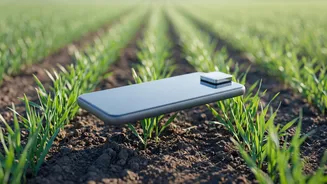
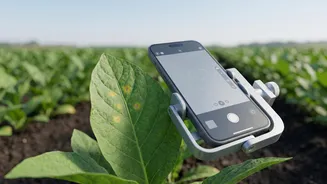
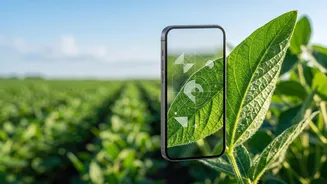
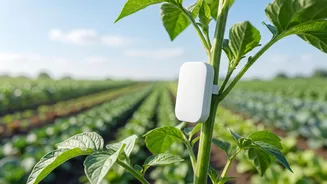
Instead of relying only on the human eye, new agricultural technology (agritech) uses artificial intelligence to see the invisible. The system often starts with a farmer using a simple smartphone app. They can upload a photo of a suspicious-looking leaf, and an AI model, trained on thousands of images of plant diseases, can provide an instant diagnosis. More advanced setups involve on-field IoT (Internet of Things) sensors that collect real-time data on soil moisture, humidity, and temperature. Combined with satellite imagery and local weather data, the AI can detect subtle changes that signal the perfect conditions for a disease outbreak, long before it becomes a full-blown crisis.
From Data to Timely Decisions
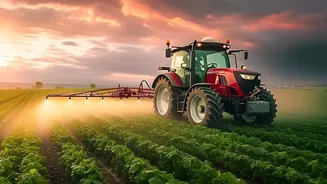
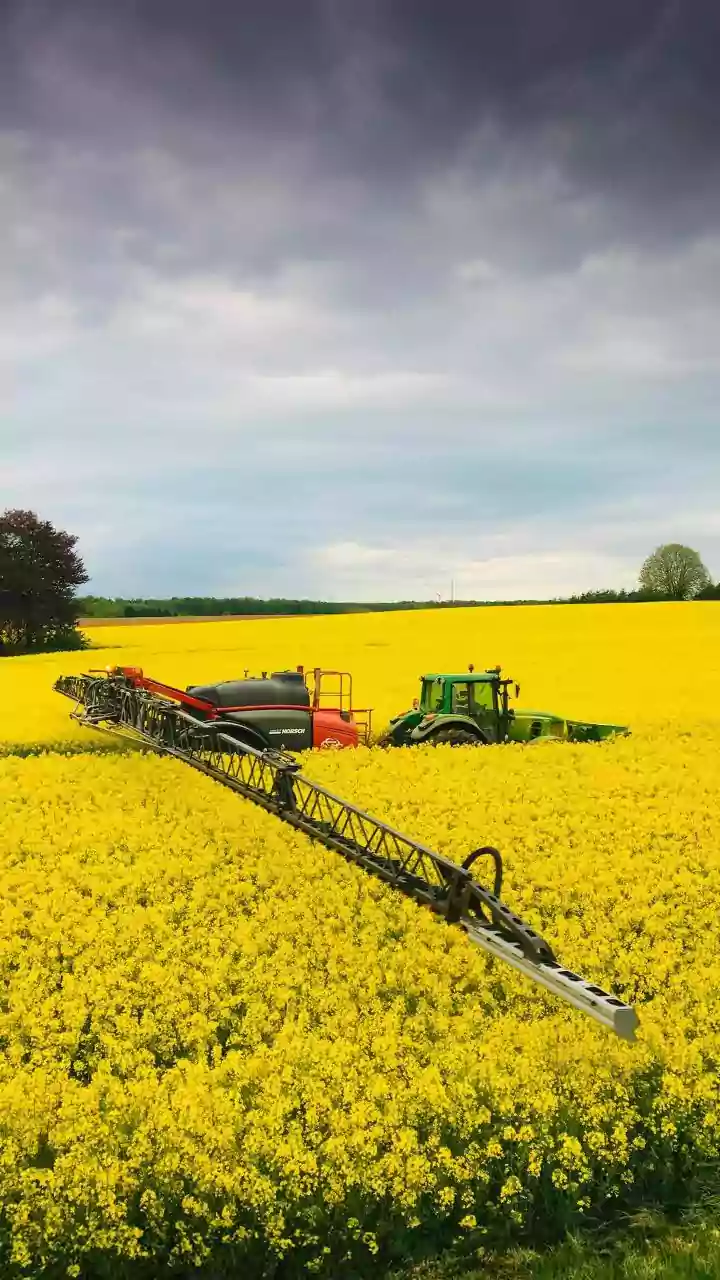
The true power of this technology lies in turning complex data into simple, actionable advice. Once the AI system detects a high risk of a specific disease, like downy mildew on grapes or leaf curl on cotton, it sends an alert directly to the farmer's mobile phone. This isn't just a generic warning. The advisories, often available in local languages like Marathi, recommend specific, targeted treatments. This allows for a precision-based approach, where farmers use pesticides or other interventions only where and when they are needed, rather than spraying entire fields. This not only saves farmers money on expensive chemicals but also reduces the environmental impact and conserves precious water resources.
A Solution Built for Scale
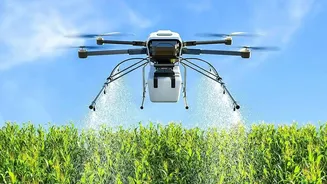
For any technology to succeed in India, it must be affordable and accessible. Many of these AI-driven platforms are designed specifically for smallholder farmers. Startups and government initiatives across the country are creating user-friendly mobile apps and systems that don't require expensive hardware. In Maharashtra, the government recently announced a pilot project for 10,000 farmers to use AI, satellite tech, and drones for crops like cotton, soybean, and onions. The goal is to create a scalable model that can be rolled out across the state. Platforms like MahaAgri.AI are working to bring these innovations to farmers, providing knowledge and tools for smarter agriculture.
The Future of Farming is Digital
The integration of AI into agriculture is more than just a technological upgrade; it represents a fundamental shift towards a more resilient and predictable way of farming. By giving farmers access to the same kind of data-driven insights once available only to large commercial operations, these tools level the playing field. As initiatives like the National Pest Surveillance System expand, which already supports numerous crops and pests, the ability to monitor and manage crop health at a national scale becomes a reality. This technology empowers farmers to move from reacting to crises to proactively managing risks, ensuring greater stability for their families and contributing to the nation's food security.