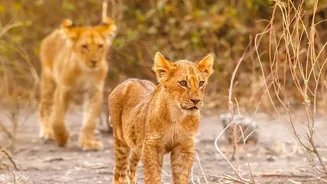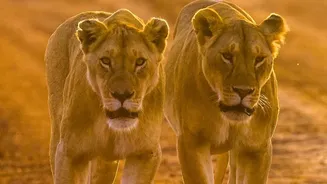





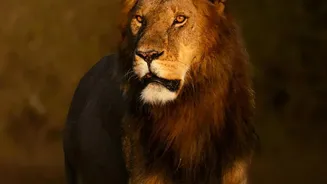
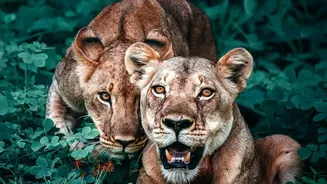
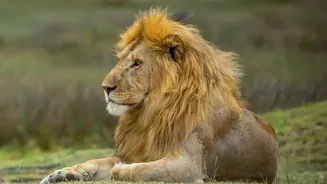
A Historic Return to Barda
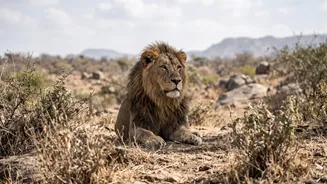
For decades, the entire wild population of Asiatic lions was confined to Gir National Park. While a celebrated success, this concentration posed risks from disease or natural disasters. Barda was long identified as a potential second home, and in January
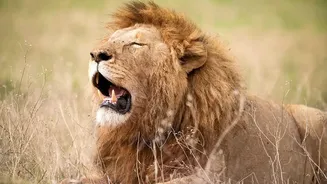
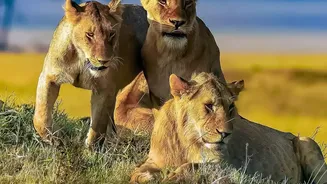
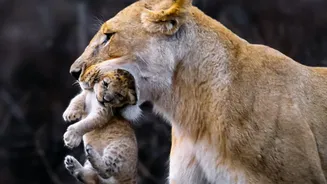
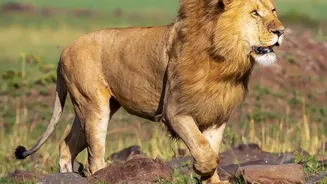
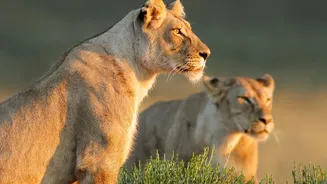
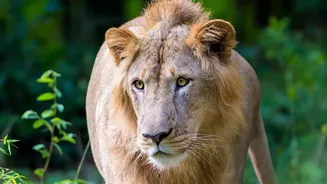
2023, that potential became a reality when a male lion naturally migrated to the sanctuary. The Gujarat Forest Department then introduced five females to help establish a breeding population. Today, what started as a small group has grown, marking a new, hopeful chapter for the species under 'Project Lion'. According to a 2026 count, the population had already increased, signalling that the lions are finding the habitat suitable for breeding and raising cubs.
A Different Royal Feast
The diet of a predator is a window into its ecosystem. In Gir, lions have a well-established menu, primarily hunting deer species like chital (spotted deer) and sambar, which are abundant there. Barda's landscape, however, offers a different buffet. While the forest department is actively working to increase the deer population by translocating animals from Gir and through breeding programs, the existing natural prey base is dominated by other animals. The most prominent among these are nilgai (blue bull) and, crucially, wild pigs. This difference meant the new lion population had to quickly adapt its hunting strategies to thrive in its new environment.
The Undeniable Importance of Wild Pigs
Scientific studies have provided a clear picture of what the Barda lions are eating. By analysing scat and using GPS radio-collar data from six lions, researchers discovered that wild pigs are the cornerstone of their new diet. One study published in the journal PLOS One revealed that wild pigs accounted for a staggering 55% of their food occurrences. This is a significant finding. Wild pigs are resilient, tough, and reproduce quickly, providing a reliable food source. The lions' ability to successfully and consistently hunt them proves their remarkable adaptability. Nilgai are another key prey animal, but the sheer volume of wild pigs consumed highlights how these animals have been central to the lions' initial success in Barda.
A Sign of True Resilience
This dietary flexibility is perhaps the most exciting part of the Barda story. A species that can switch its primary prey based on availability has a much greater chance of long-term survival. The lions of Barda have demonstrated that they are not solely dependent on the prey profile of Gir. This adaptability suggests they can colonise and sustain themselves in varied habitats, a vital trait for an endangered species. While domestic cattle also feature in their diet, accounting for about 17% of occurrences, the strong reliance on wild prey like pigs is a positive indicator for conservationists. It reduces the potential for human-animal conflict and shows the sanctuary's ecosystem can support its new apex predators.
What's Next for Barda's Lions?
With a growing population and a stable food source, the future of lions in Barda looks promising. The focus for wildlife managers is now shifting towards long-term monitoring and habitat management. This includes continuing to bolster the prey base with species like chital and sambar to create a more diverse menu for a larger future lion population. It also involves strengthening rapid-response teams to manage any potential conflicts with local communities and deploying dedicated trackers to monitor the health and movement of the lions. The success in Barda serves as a powerful testament to India's conservation efforts and provides a crucial safety net for the future of the magnificent Asiatic lion.