





A Symphony for the Senses
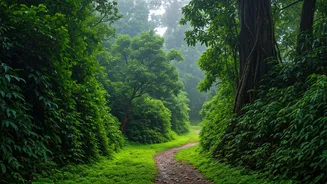
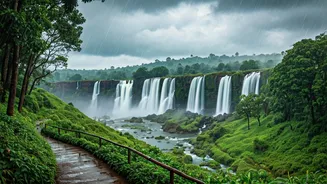
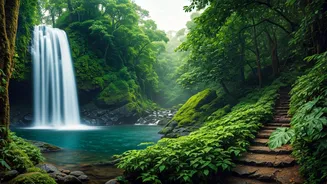
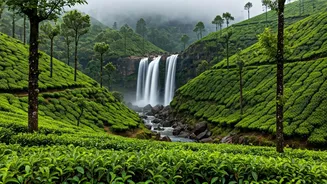
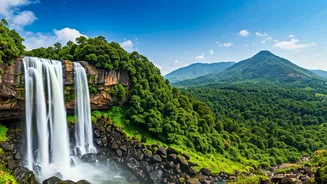
Forget the idea of rain forcing you indoors. In Kerala, the monsoon is the main event. The southwest monsoon, arriving around June, breathes new life into everything it touches. The smell of wet earth mixes with the fragrance of spice plantations. Waterfalls
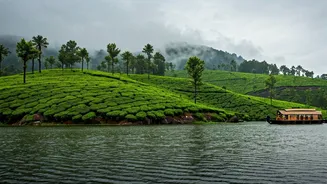
that were mere trickles in summer now roar back to life, and the famous backwaters shimmer under cloudy skies. The landscape, from the Western Ghats to the coast, adopts a shade of green so intense it feels almost unreal. This isn’t a season to be avoided; it’s a sensory experience to be embraced, often with fewer tourist crowds than in the peak winter season.
Misty Mountains and Lush Plantations
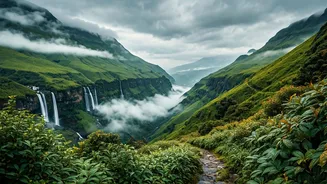
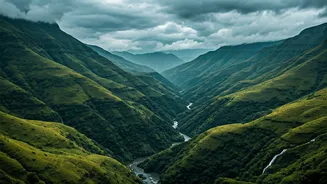
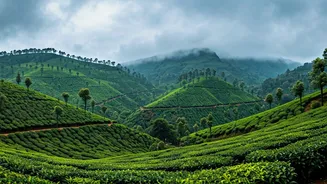
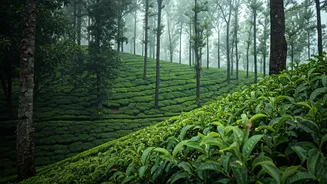
Hill stations like Munnar and Wayanad are arguably at their most beautiful during the monsoon. In Munnar, the tea plantations become layered masterpieces of green, often shrouded in a thick, romantic mist. You can spend mornings walking through clouds that have settled in the valleys. Wayanad, a haven for nature lovers, offers dense rainforests, powerful waterfalls like Soochipara and Meenmutty, and numerous trekking trails that feel wonderfully alive in the rain. For those seeking tranquility, the quieter hills of Vagamon offer rolling meadows and pine forests that feel refreshingly untouched.
The Magic of the Backwaters
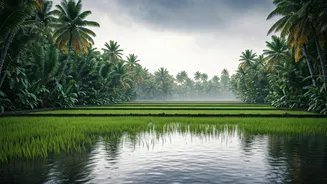
A houseboat cruise in Alleppey or Kumarakom during the monsoon is a unique and serene experience. Gliding through the emerald backwaters as rain gently taps on the roof of your boat is the definition of tranquility. The surrounding paddy fields are at their greenest, and the network of canals and lakes reflects the dramatic skies. Life along the backwaters adjusts to a slower, more peaceful rhythm, offering a perfect escape from the hustle of daily life. It’s an opportunity to connect with a quieter, more intimate side of Kerala.
The Perfect Time for Rejuvenation
According to ancient Ayurvedic wisdom, the monsoon period, particularly the month of Karkidakam (around July-August), is the ideal time for wellness treatments. The belief is that the cool, moist, and dust-free atmosphere helps the pores of the skin to open, making the body more receptive to herbal oils and therapies. This makes it the perfect season for rejuvenation packages like Panchakarma, a comprehensive detoxification process, and other treatments designed to boost immunity and soothe the body and mind.
A Feast for the Rainy Season
Kerala’s cuisine adapts beautifully to the monsoon. The cooler weather calls for warm, comforting, and often spicy dishes. A classic rainy-day meal is a steaming bowl of Kanji, a nourishing rice porridge, sometimes served with beans (payar). The combination of Kappa (tapioca) with a fiery Meen Curry (fish curry) is another beloved staple. Roadside stalls, or 'thattukadas', come alive, offering hot snacks like Pazham Pori (banana fritters) and crispy vadas, perfect for enjoying with a cup of hot chai while watching the rain.
Festivals in the Rain
The monsoon season culminates in one of Kerala’s most important and vibrant festivals, Onam, which typically falls in August or September. This 10-day harvest festival is a spectacular display of culture, celebrating the legendary King Mahabali. Homes are decorated with intricate flower carpets called 'pookalam', and the festivities include grand feasts (Onam Sadya), traditional dances, and the famous 'Vallam Kali' or snake boat races, where huge boats race through the rain-swollen backwaters.