





The Rise of the 'Wild' Garden
Look around at the most talked-about gardens, from sprawling backyards in Bengaluru to tiny balconies in Mumbai, and you'll notice a significant shift. The focus is moving away from exotic, imported plants that require constant care, gallons of water,
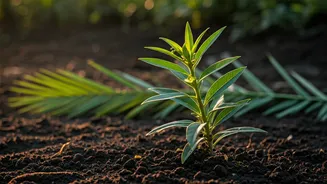
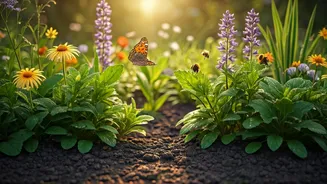
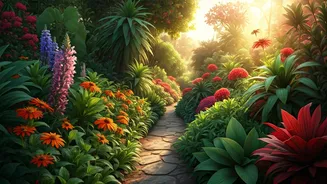
and chemical pesticides. Instead, gardeners across India are embracing a more natural, sustainable, and ultimately more rewarding approach: creating gardens with native and locally adapted plants. This isn't about letting your garden get overgrown with weeds. It’s a thoughtful, curated style of gardening often called 'rewilding' or 'ecological gardening'. The goal is simple: to create a beautiful space that works in harmony with the local environment. It means choosing plants that are naturally suited to India's climate and soil, which in turn creates a haven for local wildlife like bees, butterflies, and birds.
Why Is This Approach So Popular?
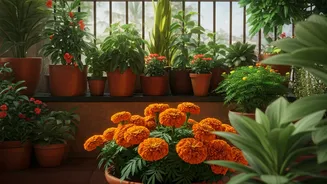
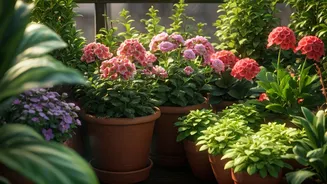
The appeal of this trend is multi-layered. Firstly, it’s incredibly practical. Native plants evolved here, so they are naturally resilient to local pests, diseases, and weather patterns. This translates to a low-maintenance garden. You’ll spend less time watering, fertilising, and spraying, and more time actually enjoying your green space. For busy urbanites, this is a game-changer. Secondly, it’s a powerful way to support biodiversity. As our cities expand, natural habitats for pollinators shrink. A balcony filled with marigolds, hibiscus, and jasmine becomes a vital pit stop for tired bees and butterflies. By planting native species, you are actively participating in conservation, turning your small patch of green into a functioning part of a larger ecosystem. There’s a deep satisfaction in seeing your garden hum with life. Finally, this trend taps into a desire for authenticity and connection. It’s about cultivating a garden that feels like it belongs right here in India, filled with the plants and fragrances that might remind you of your grandmother's garden—the heady scent of mogra on a summer evening or the sight of sunbirds flitting around a hibiscus bush.
How to Get Started
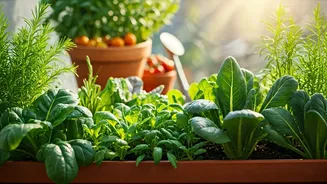
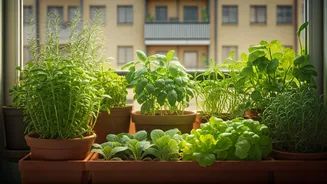
Joining this movement doesn't require a huge lawn or expert knowledge. You can start with a single pot on your windowsill. The first step is to observe your space. How much sunlight does it get? Is the soil sandy or clay-like? Understanding your specific micro-environment is key. Next, think local. Instead of asking for generic 'flowering plants' at the nursery, ask for plants native to your region. Do a little research online or talk to older, experienced gardeners in your neighbourhood. They are often a treasure trove of knowledge about what grows best locally. Start small. Choose one corner of your garden or a few containers for your balcony. Select a small variety of plants—perhaps a flowering shrub, a fragrant herb, and a climber. This allows you to learn about their needs without feeling overwhelmed. The idea is to build your confidence and your garden piece by piece.
Essential Plants for Your Indian Garden
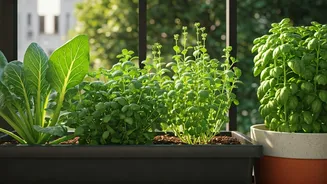
Ready to bring your garden to life? Here are a few hardy, beautiful, and widely available plants that are perfect for this style of gardening. * **For Pollinators:** Marigold (Genda) is a powerhouse, attracting bees while also being a natural pest repellent. Cosmos and Zinnia are also fantastic, providing a riot of colour and a feast for butterflies. * **For Fragrance & Tradition:** No Indian garden is complete without Jasmine (Mogra, Chameli, or Juhi). Its fragrance is iconic. Holy Basil (Tulsi) is another must-have, revered for its spiritual significance and medicinal properties, and it also attracts pollinators. * **For Structure & Edibles:** The Curry Leaf plant (Kadi Patta) is easy to grow in a pot and provides fresh leaves for your kitchen. Hibiscus offers stunning, large blooms that attract birds and can be used to make a refreshing tea. For a beautiful creeper, consider the Aparajita (Butterfly Pea), with its striking blue flowers.