





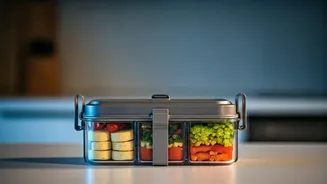
Ignoring Leafy Greens and Raw Vegetables
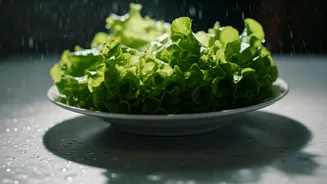
Leafy green vegetables like spinach and cabbage can be risky during the monsoon. The damp, humid weather is perfect for bacteria and fungi to thrive on their leaves. Because of their structure, it can be challenging to wash them thoroughly, leaving behind
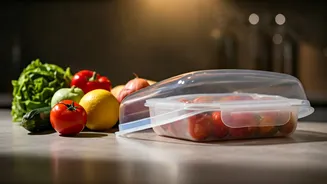
contaminants that can cause stomach infections. Similarly, consuming raw salads from outside is a major gamble, as the vegetables may have been washed in contaminated water or exposed to unhygienic conditions. Experts recommend steaming or boiling vegetables before consumption to kill any harmful germs. If you must have them raw, ensure they are from a trusted source and washed meticulously in clean, potable water.
Mishandling Meat and Seafood
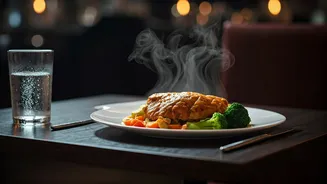
The high humidity during the monsoon accelerates the spoilage of perishable foods like meat and seafood. Bacteria can multiply rapidly on these items, increasing the risk of food poisoning. A common mistake is thawing frozen meat or chicken on the kitchen counter for hours. This allows the outer layers to enter the 'danger zone' for bacterial growth while the inside remains frozen. It is much safer to thaw meat in the refrigerator or use a microwave's defrost setting. Seafood is particularly perishable and should be bought fresh from a reputable source, refrigerated immediately, and consumed within a day or two to ensure safety.
Leaving Out Cut Fruits and Leftovers
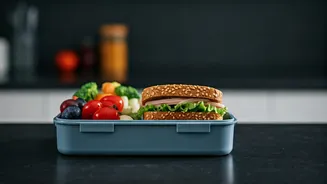
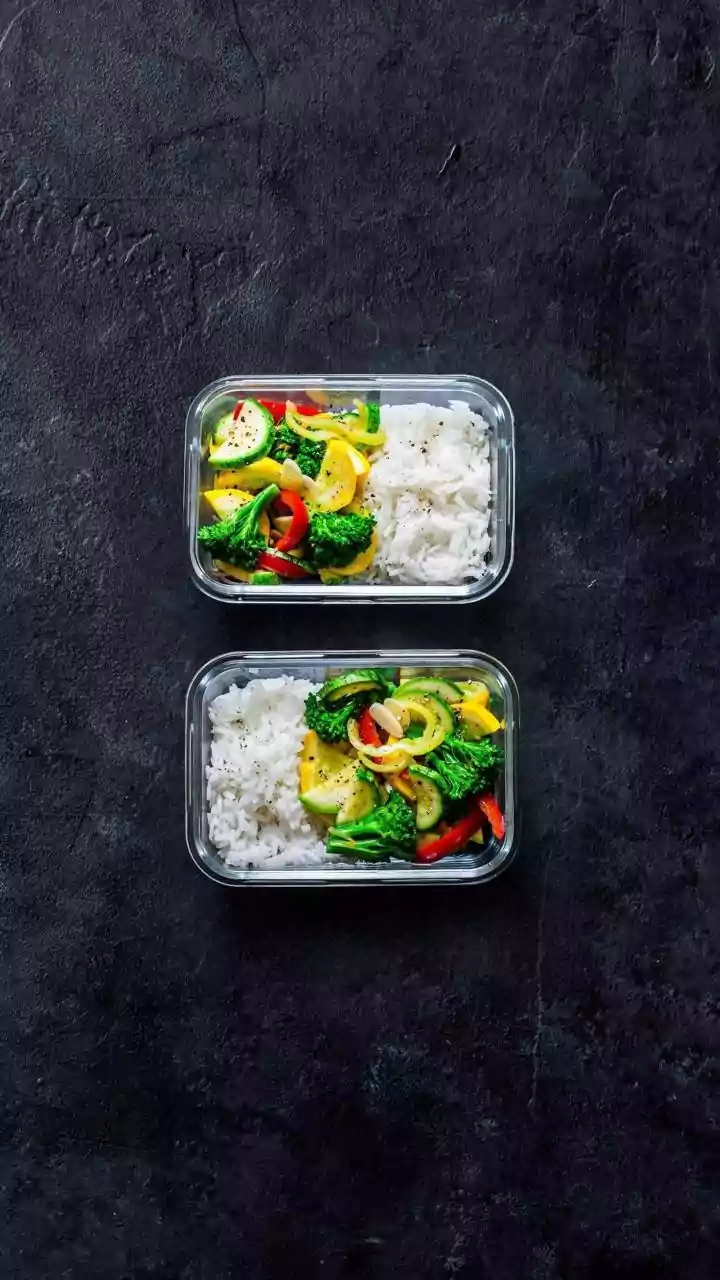
While whole fruits are fine, pre-cut fruits sold by street vendors are a significant health risk. Once a fruit is cut, its exposed surface becomes vulnerable to contamination from bacteria in the air, which multiplies quickly in the humid environment. It's always best to cut fruits at home just before you plan to eat them. The same rule applies to leftovers. Cooked food like dal, curries, or even rice should not be left at room temperature for long periods. High moisture content makes them an ideal breeding ground for bacteria. Food should be cooled and refrigerated in airtight containers as soon as possible, preferably within a couple of hours.
Improper Storage of Dry Goods
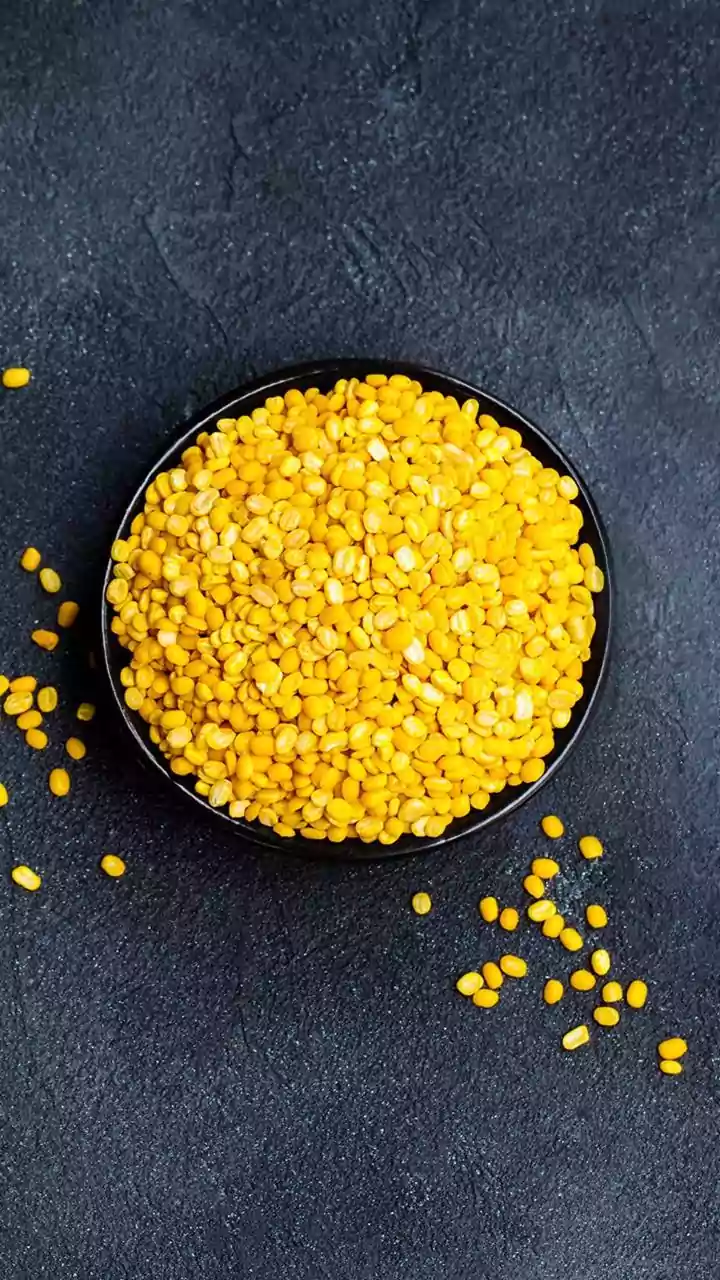
The monsoon's ambient moisture can easily turn your crispy biscuits soggy and your salt and sugar clumpy. This isn't just a texture issue; it's a food safety one. When dry goods like flour, grains, and spices are not stored correctly, they can absorb moisture, leading to mould and spoilage. The biggest mistake is keeping them in their original, often permeable, packaging. To prevent this, transfer all dry items into high-quality airtight containers immediately after purchase. This creates a barrier against the damp air, preserving freshness and preventing contamination. Adding natural desiccants like bay leaves to grains can also help absorb excess moisture.
Neglecting Kitchen and Utensil Hygiene
During the monsoon, regular cleaning becomes more critical than ever. The dampness makes kitchen surfaces, especially wooden chopping boards and cabinets, prone to mould and mildew. Ignoring spills or not wiping down countertops can create a thriving environment for germs. It's essential to clean and sanitise all kitchen surfaces and equipment frequently, possibly with hot water and a disinfectant. Another overlooked area is cross-contamination. Using the same cutting board for raw meat and vegetables without washing it can spread harmful bacteria. Always use separate boards and wash your hands thoroughly with soap before and after handling food to prevent the spread of infections.