




The Rise of the Riverside Office
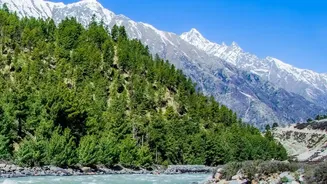
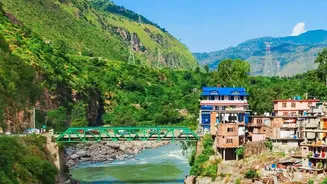
A quiet revolution is reshaping the professional landscape in the Himalayan foothills. Rishikesh, long a sanctuary for spiritual seekers and adventurers, has transformed into a bustling hub for digital nomads. Freelance coders, content creators, and startup
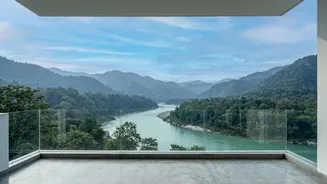
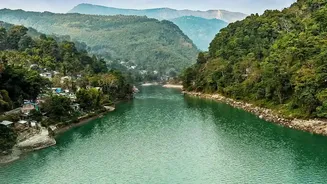
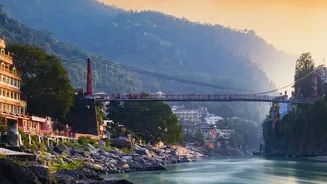
founders are flocking to the town, not just for a vacation, but to live and work for weeks or months at a time. This “workation” trend sees professionals blending productivity with peace, swapping their urban commutes for morning walks along the holy Ganga. The town's unique atmosphere, which combines tranquil nature with a reliable tourism infrastructure, has made it a top destination for those looking to redefine their work-life balance.
Why Rishikesh? A Blend of Serenity and Connectivity
The magnetic pull of Rishikesh is multifaceted. At its heart is the town’s deep-rooted spiritual identity, offering a calm atmosphere perfect for deep work and creativity. The daily rhythm can be punctuated by yoga sessions, meditation, or attending the tranquil Ganga aarti at dusk, helping professionals manage stress and prevent burnout. But spirituality alone isn't enough to support a tech career. The town has adapted to modern needs, with many cafes and dedicated co-living spaces now offering reliable, high-speed Wi-Fi from providers like Jio and Airtel. This crucial development ensures that one can finish a client presentation and then step out for a riverside yoga session without missing a beat.
Inside the New Co-Living Hubs
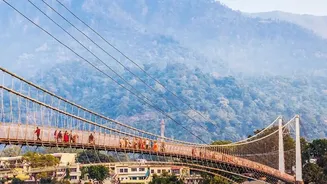
Fueling this trend is a new wave of hostels and guesthouses that have evolved into sophisticated co-living ecosystems. Places in popular areas like Tapovan and Laxman Jhula now cater specifically to remote workers, offering more than just a bed. These hubs provide a complete package: high-speed internet, power backup, dedicated workspaces with ergonomic chairs, and sometimes even private pods for calls. More importantly, they foster an instant sense of community. Rooftop cafes overlooking the river, communal kitchens, and organised social events like group hikes or live music nights allow solo professionals to network and connect with like-minded people from across the globe.
The Economics of a Mountain Work-Life
A major driver of this migration is affordability. Compared to the high rental and living costs in metro cities like Delhi or Bengaluru, Rishikesh presents a financially attractive alternative. The promise of a month-long workation for under ₹18,000 for a dorm bed is a realistic draw for many young professionals. Long-stay packages at hostels and co-living spaces significantly reduce the per-night cost, often bundling accommodation and Wi-Fi access. Even a more comfortable lifestyle, including a private room, food, and activities, can be managed within a monthly budget of ₹28,500 to ₹51,000, which is often less than the rent for a small apartment in a major Indian city.
Navigating the Challenges
While the lifestyle is idyllic, it's not without its challenges. The internet, while vastly improved, can still fluctuate during peak hours, making a personal hotspot with a good data plan a wise investment for mission-critical work. The town's popularity means that booking in advance is crucial, especially during peak seasons from September to November and March to May. Furthermore, the influx of a transient work-focused population brings its own pressures on the local infrastructure and culture, a factor that both visitors and the local community are navigating as this trend continues to grow.