








The Problem: Your Personal Echo Chamber
Major social platforms like Facebook, YouTube, and TikTok use powerful algorithms to decide what you see. Their goal is to maximize your engagement by showing you content it predicts you'll like, based on every click, pause, and share. This creates a "filter
bubble," an informational universe tailored just for you. Over time, this system can trap you in a recommendation loop, where you are fed an increasingly narrow range of content that reinforces your existing views, effectively building an echo chamber that limits exposure to new ideas. This isn't just about seeing fewer cat videos; it can genuinely skew your perception of the world.
Step 1: Manually Curate Your Existing Feeds
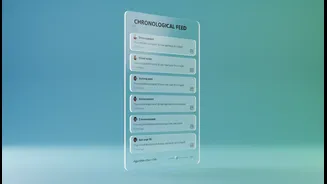
The simplest first step is to be more intentional on the platforms you already use. Many apps have an option to switch from an algorithmic feed to a chronological one. On platforms like X (formerly Twitter) and Threads, you can select a “Following” tab to see posts only from accounts you follow, in the order they were posted. Similarly, you can often find a chronological option on Instagram and Facebook. Actively use features like “Mute,” “Unfollow,” or “Not Interested” to train the algorithm away from content you don't want. And most importantly, make a conscious effort to follow a wider variety of voices, including creators, experts, and publications from different fields and with different perspectives.
Step 2: Rediscover the Power of RSS
Remember RSS? Really Simple Syndication is a technology from the early 2000s that is making a huge comeback for users tired of algorithmic gatekeepers. An RSS feed pulls the latest content directly from websites you choose—blogs, news sites, and even some social media accounts—into a single, clean, chronological feed. There is no algorithm deciding what's important; you see everything from your chosen sources as it's published. It’s like creating your own personalized newspaper where you are the editor-in-chief, free from ads and engagement-driven rankings. Getting started is easy: you just need an RSS reader app.
Step 3: Choose an RSS Reader and Start Subscribing
Dozens of excellent RSS readers are available, many with free tiers. Feedly and Inoreader are two of the most popular and robust options, working across web and mobile devices. NetNewsWire is a great choice for Apple users, and The Old Reader offers a simple, social--tinged experience. Adding sources is usually as simple as pasting a website's URL into the reader. Most news sites, blogs, and creator platforms like Substack still support RSS. You can even create RSS feeds for specific YouTube channels, Subreddits, or Google Alerts, giving you ultimate control over your information diet.
Step 4: Embrace Curated Newsletters
Another fantastic way to receive algorithm-free content is by subscribing to email newsletters. Platforms like Substack have fueled a renaissance in creator-led newsletters, where writers, journalists, and experts deliver their work directly to your inbox. Unlike a social feed, a newsletter is a finite, curated product. It reflects the deliberate choices of a human editor, not the whims of a machine learning model. Subscribing to a diverse range of newsletters ensures you get different perspectives delivered on a predictable schedule, breaking the cycle of endless, repetitive scrolling.
Step 5: Explore Algorithm-Free Platforms
A growing number of new social platforms are making chronological or algorithm-free feeds a core part of their identity. Platforms like Bluesky and Noplace have gained traction by offering a more straightforward, user-controlled experience. Decentralized networks like Mastodon are inherently free of a central, controlling algorithm. While these platforms may have smaller user bases than the giants, they often host high-quality, niche communities. Using them for even a portion of your social media time can provide a refreshing break from the highly manipulated environments of mainstream apps.