






A New Blueprint for Orbit
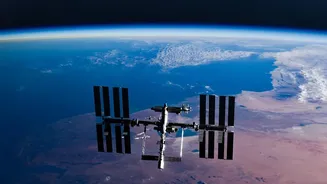
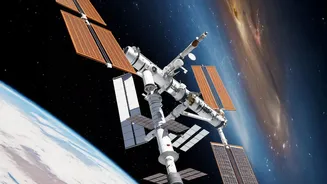
The retirement of the International Space Station, expected around 2030, marks a pivotal shift in human spaceflight. Instead of a single, government-run platform, the future of low-Earth orbit (LEO) is envisioned as a bustling ecosystem of privately owned
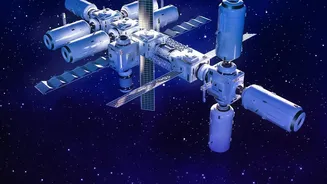
and operated destinations. NASA is actively encouraging this transition, acting as a future customer rather than a landlord through its Commercial LEO Destinations (CLD) program. This has spurred a race among companies like Axiom Space, Vast, and a partnership between Blue Origin and Sierra Space to design and build the next generation of space habitats. These new stations are not just replacements; they are fundamentally different by design. Conceived as versatile, mixed-use business parks, their architecture must cater to two very different markets simultaneously: high-end space tourism and cutting-edge orbital science and manufacturing. This dual-purpose philosophy is shaping every aspect of their construction, from interior layouts to the business models that fund them.
Hospitality in a Vacuum
To attract tourists paying millions for a ticket, the new habitats are moving beyond the purely functional design of the ISS. Axiom Space, for example, partnered with renowned designer Philippe Starck to create interiors with luxury finishes, softer surfaces, and comfortable crew quarters. The company is already flying private astronaut missions to the ISS, giving it unique operational experience. A key feature for the tourism market is the view. These stations are being designed with significantly larger windows, including expansive, Earth-facing cupolas, to provide the breathtaking vistas that tourists crave. Orbital Reef, the concept from Blue Origin and Sierra Space, promises guests 32 sunrises and sunsets each day. Beyond observation, designs are incorporating more social spaces and amenities to make the experience of living in microgravity more comfortable and engaging than ever before. This focus on the human experience is a deliberate departure from the utilitarian, lab-focused environment of past government-led projects.
The Next-Generation Orbital Lab
While tourism grabs headlines, the real economic engine for many of these stations will be science and manufacturing. They are being built with dedicated research modules and state-of-the-art facilities designed to be more flexible and accessible than the ISS. Companies plan to offer services for pharmaceutical development, advanced materials research, and biotechnology in microgravity, an environment where the absence of sedimentation and buoyancy allows for unique discoveries. Vast's Haven-1 station, targeting launch in early 2027, will house a microgravity research lab with dedicated slots for commercial and government payloads. The business model for science is also transformative. By creating a competitive marketplace, these private stations aim to lower the cost and complexity of getting research into orbit, opening access to a wider range of countries, private companies, and academic institutions that found the ISS program too restrictive or expensive.
The Architects of LEO
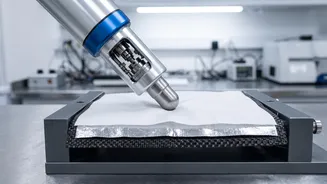
Different companies are taking varied approaches to building this orbital future. Axiom Space has a unique strategy: it is building modules that will first attach to the ISS. Once its segment is complete, it will detach and become a free-flying independent station before the ISS is deorbited. In contrast, Vast aims to be the first to launch a standalone commercial station with its single-module Haven-1. Perhaps the most futuristic designs come from Sierra Space, a partner on the Orbital Reef station. The company is developing the Large Integrated Flexible Environment (LIFE) habitat, an inflatable module made of high-strength fabrics. These 'softgoods' habitats can be launched in a compressed state and then inflated in orbit to create a voluminous, three-story interior, offering significantly more space for crew and equipment than traditional rigid structures. This technology could radically change the scale and comfort of life in orbit.