






Beyond the Full Stomach
Hidden hunger, or micronutrient deficiency, is a form of malnutrition where the intake of essential vitamins and minerals is insufficient, despite a person consuming enough calories to feel full. Unlike the visible distress of starvation, hidden hunger is insidious,
with effects that are not immediately apparent but can have severe long-term consequences. This includes impaired brain development in children, reduced physical productivity in adults, and a weakened immune system, making individuals more susceptible to illness. In India, a significant portion of the population, especially women and children, suffers from deficiencies in crucial micronutrients like iron, vitamin A, zinc, and iodine, even when they are not underweight.
India's Evolving Plate
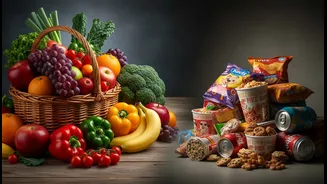
Over the past few decades, India's food basket has undergone a dramatic transformation. Rising incomes and urbanisation have shifted consumption patterns away from traditional, coarse-cereal-based diets towards more refined grains, oils, sugars, and processed foods. While diets are diversifying to include more high-value items like dairy and meat, there is also a growing reliance on convenient, packaged foods that are often high in calories but poor in micronutrients. This nutritional transition is a double-edged sword: while it has helped reduce calorie deficits, it is also a key driver of hidden hunger and lifestyle diseases. The decline in consumption of diverse, nutrient-rich millets and pulses in favour of polished rice and wheat is a significant factor.
Finding Clues in Your Kitchen
The first step to understanding hidden hunger at a personal level is to look at your own household's food data. This doesn't require complex statistical tools; it starts with your monthly grocery bills and a simple review of what your family eats. This is your 'household data'. Start by categorising your food expenditure. What percentage of your food budget goes towards fresh fruits, vegetables (especially green leafy ones), dals, and whole grains? And what percentage is spent on packaged snacks, sugary drinks, instant noodles, and biscuits? Poorer households often spend a larger share of their income on food, but this doesn't automatically guarantee nutritional quality.
Connecting Spending to Nutrition
Once you have a rough breakdown of your spending, you can draw a clearer line to nutritional intake. A food basket heavily skewed towards processed items, even if it keeps everyone full, is a red flag for hidden hunger. These foods are often stripped of essential vitamins and fibre during manufacturing. For example, a diet rich in instant noodles and biscuits instead of dals and millets may provide energy but will likely be deficient in iron and protein. A high expenditure on sugary beverages instead of milk or curd can lead to a lack of calcium and vitamin D. This simple analysis of your household's consumption can mirror the findings of large-scale national surveys like the National Family Health Survey (NFHS), which consistently show widespread deficiencies linked to dietary patterns.
From Awareness to Action
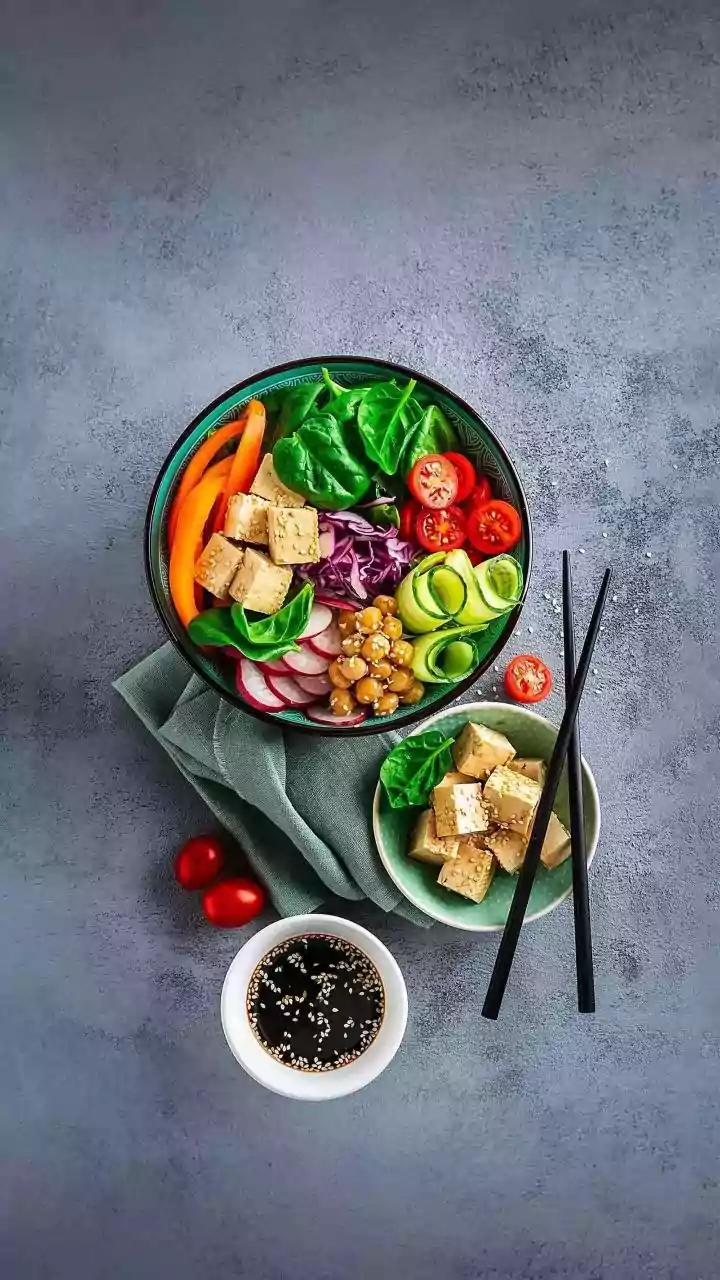
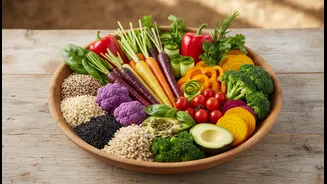
Using your household data to see the reality of your food basket is a powerful exercise. It moves the concept of hidden hunger from a national statistic to a personal reality. If you notice a high reliance on nutrient-poor foods, the next step is to make gradual, conscious changes. The goal is not to eliminate all conveniences but to improve the nutritional balance. Try incorporating one extra portion of green leafy vegetables daily, swapping a packaged snack for a piece of fruit, or reintroducing diverse grains like millets into your weekly meals. Small, consistent shifts in your household's food basket can significantly enhance its nutritional quality and combat the risk of hidden hunger.