





The Inescapable Reality of Land Scarcity
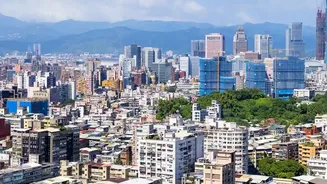
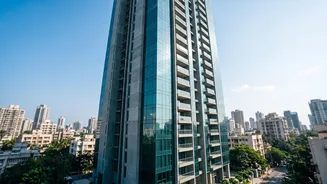
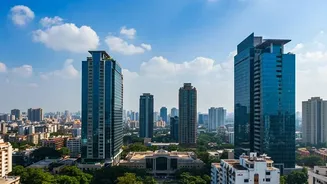
Mumbai is an island city, geographically constrained and already heavily built up. With large, empty land parcels for new construction having virtually disappeared, developers have nowhere to go but up. This has triggered a fundamental shift from horizontal
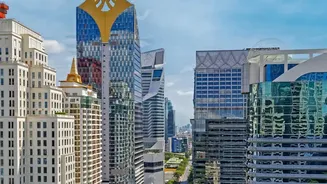
expansion to vertical rebuilding. Instead of acquiring fresh land, developers are unlocking value by demolishing old housing societies, defunct industrial estates, and dilapidated buildings to construct modern high-rises. Redevelopment now accounts for an estimated 60-65% of the city's residential pipeline, making it the primary source of new housing supply.
A Win-Win Deal for Residents
For residents of buildings that are 30 to 40 years old, redevelopment is often a welcome upgrade. Many of these older structures are deteriorating, lack modern amenities, and face mounting maintenance costs. A redevelopment agreement typically provides existing homeowners with a brand-new, often larger, apartment in the same location, free of cost. They also benefit from modern facilities like gyms, better security, and dedicated parking, which are rare in older buildings. Furthermore, residents often receive a corpus fund from the developer to cover future maintenance costs and rent compensation for temporary accommodation during the construction period.
Supportive Government Policies
The Maharashtra government and local authorities have actively encouraged redevelopment through policy changes. The Development Control and Promotion Regulations (DCPR) 2034 is a key instrument, providing developers with incentives like a higher Floor Space Index (FSI). FSI dictates how much can be built on a plot; a higher FSI allows for taller buildings with more apartments to sell, making projects financially viable for developers. Other policy shifts, like reducing the required consent from housing society members from 70% to 51% and introducing a single-window clearance system, have helped streamline approvals and accelerate the pace of projects.
The Developer's Economic Calculation
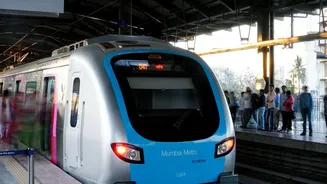
The math works for developers. The ability to build and sell additional apartments on the same plot of land is highly profitable. After providing new homes to the existing residents, the developer can sell the extra units on the open market at premium prices, especially in established neighbourhoods. The demand for homes in well-connected areas with ready social infrastructure like schools and hospitals is consistently strong. Homebuyers are increasingly showing a preference for new constructions in these mature locations over properties in peripheral areas that may take years to develop basic infrastructure. This robust buyer confidence ensures that the free-sale component of redeveloped projects is quickly absorbed.
From Single Buildings to Entire Clusters
The trend is also scaling up. Instead of redeveloping single buildings, the focus is shifting towards 'cluster redevelopment', where several buildings or an entire neighbourhood are redeveloped together. This allows for more organized planning, including wider roads and the creation of more green spaces and public amenities. In the first quarter of 2026 alone, housing societies signed 70 redevelopment agreements, with the average project size growing significantly, indicating a clear move toward larger, integrated projects. This approach promises not just to replace old buildings, but to systematically upgrade the urban infrastructure of entire localities.