

Why Winter is a Magical Time
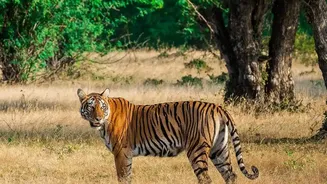
Winter, typically from November to February, is prime time for wildlife spotting in many Indian national parks. The cooler weather means animals, including elusive predators like tigers and leopards, are more active for longer durations during the day.
They often bask in the sun, making them easier to spot. Furthermore, the vegetation is less dense after the monsoon, which significantly improves visibility. The misty mornings and golden sunlight also create a stunning canvas for photographers and nature lovers alike. It's a season of comfort and high chances for incredible sightings.
Choosing Your Destination
India is home to numerous national parks, each offering a unique experience. For a high chance of tiger sightings, Ranthambore in Rajasthan and Bandhavgarh or Kanha in Madhya Pradesh are excellent choices. Jim Corbett National Park in Uttarakhand is another fantastic option, famous for its tigers and diverse birdlife against the backdrop of the Himalayan foothills. For those interested in one-horned rhinoceroses, Kaziranga National Park in Assam is the place to be, though it often opens in November after the monsoon floods. Do some research on the primary species and landscape you wish to see before booking, as this will shape your entire experience.
Permits and Bookings: The First Step
This is the most critical part of your planning. Most major national parks in India have moved their safari booking systems online. You cannot simply show up and expect to enter the park. Permits for popular tiger reserves like Ranthambore, Corbett, and Bandhavgarh are released online weeks or even months in advance and get sold out very quickly, especially for weekends and holidays. You will need to book your safari through the official state forest department website. Be prepared with the full names, ages, and government-issued ID details (like an Aadhar or passport number) for every person in your group. It's advisable to book your safari permits even before you book your flights or hotels.
Understanding Safari Timings
Safaris generally operate in two shifts: one early in the morning and another in the late afternoon. Winter timings are adjusted for the shorter daylight hours. A typical morning safari might run from around 6:30 AM to 10:00 AM, while the afternoon safari could be from 2:00 PM to 5:30 PM. These timings can vary slightly between parks and are designed to coincide with the periods when animals are most active. Always check the official timings for the specific park and date you are visiting, as they are subject to change by the park authorities. Arrive at your designated gate at least 15-20 minutes before the scheduled start time to complete entry formalities.
Essential Rules of the Jungle
Following the rules is crucial for your safety and the well-being of the wildlife. Always listen to your guide and driver. Maintain silence and avoid making sudden movements to not disturb or scare the animals. Do not get out of the vehicle under any circumstances. Brightly coloured clothing is a no-go; wear earthy tones like beige, brown, or green to blend in with the surroundings. Littering is strictly prohibited, so carry all your waste back with you. The use of flash photography is banned as it can startle or blind the animals. Remember, you are a guest in their home.
Packing for the Winter Safari
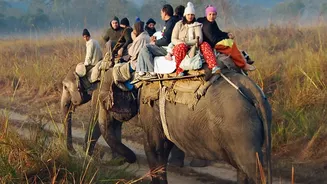
Winter mornings in a safari jeep can be intensely cold, far colder than you might expect. Layering is key. Pack thermal wear, fleece jackets, and a windproof outer layer. A warm hat or beanie, gloves, and a scarf or muffler are non-negotiable for the early morning chill. As the sun comes up, it can get quite pleasant, so being able to remove layers is important. Wear comfortable closed-toe shoes. Other essentials include sunscreen, sunglasses, a good pair of binoculars for spotting distant animals, and your camera with extra batteries, as the cold can drain them faster.