


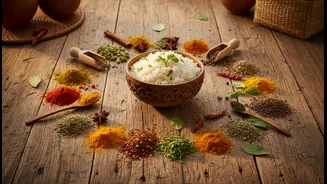



More Than Just a Meal
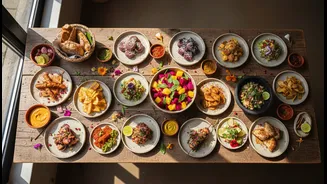
Travel in India is undergoing a flavourful transformation. While monuments and museums have their place, a growing number of travellers are discovering that the true soul of a region is often found on its plate. Culinary tourism in India is booming, with
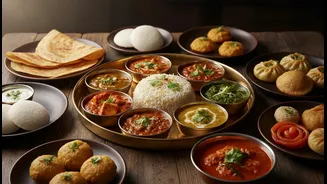
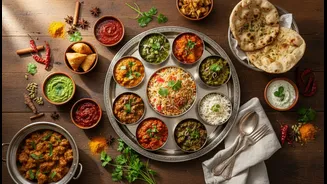
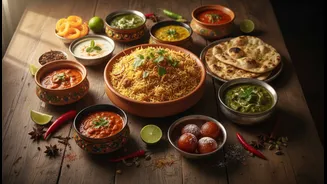
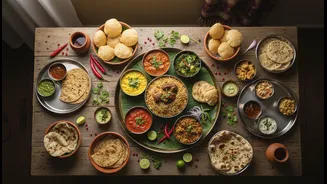
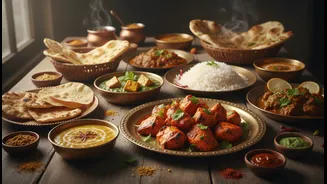
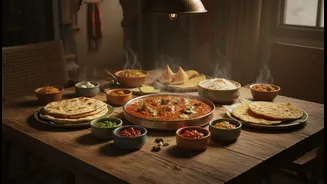
travellers increasingly planning trips around food. This isn't just about eating at fancy restaurants; it's a fundamental shift towards using food as a lens for cultural exploration. It involves seeking out dishes that tell a story, participating in food walks through bustling city streets, and connecting with the history and people behind the cuisine. From the fiery curries of the south to the rich, aromatic biryanis of the north, every dish becomes a clue to understanding a region's geography, history, and way of life.
A Journey Through History and Taste
Every regional specialty in India is a living piece of history. The royal kitchens of Rajasthan, for example, developed dishes like Laal Maas and Ker Sangri out of the necessity of a desert climate, using spices and preservation techniques that tell a story of survival and ingenuity. Similarly, the cuisine of Lucknow is a direct descendant of its Nawabi past, with slow-cooked kebabs and aromatic biryanis that speak of courtly elegance. When you eat a dish in its place of origin, you are tasting centuries of tradition. Travellers are now seeking these stories, understanding that the presence of coconut in Keralan curries is tied to its coastal geography, just as the use of mustard oil defines Bengali cooking. This quest for authenticity turns a meal into a memorable lesson in history and culture.
Connecting with Local Communities
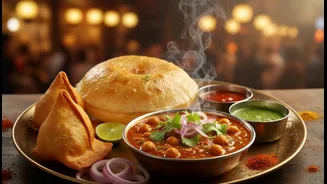
One of the most rewarding aspects of food-centric travel is the direct connection it fosters with local people. Visiting a monument is often a passive experience, but sharing a meal is an act of communion. When you navigate the lanes of Old Delhi for the perfect plate of chole bhature, you're not just a tourist; you're participating in the city's daily life. This trend has given rise to experiences that go beyond the restaurant, such as farm stays in Punjab where you can taste dishes made from freshly harvested ingredients, or cooking classes in a local home in Jaipur where family recipes are shared. These interactions provide a genuine glimpse into the local culture that a standard itinerary might miss, turning strangers into hosts and a simple trip into a collection of warm memories.
The Rise of Organised Food Trails
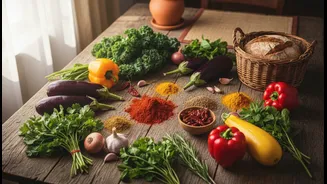
Recognising this growing interest, the tourism landscape is adapting. Organised food walks and culinary trails are now popular in cities like Delhi, Mumbai, Kolkata, and Hyderabad. These curated experiences guide travellers through a city's best-kept culinary secrets, from iconic street food stalls to legendary sweet shops. It’s an efficient and safe way to dive deep into a local food scene. Some trails are even more ambitious, taking travellers on a gastronomic journey through an entire state, like the spice plantation tours in Kerala or the seafood trails in Goa. These organised tours make culinary discovery accessible to everyone, from solo backpackers to families, proving that you don't need to be a seasoned foodie to travel this way. According to reports, a vast majority of food experts believe people will increasingly travel specifically to experience this culinary culture.