




The Silent Health Crisis on Your Plate
Excess sodium intake is a significant public health issue in India, directly linked to a rising tide of non-communicable diseases. According to the World Health Organization (WHO), hypertension is responsible for 57% of all stroke deaths and 24% of all coronary
heart disease deaths in the country. The connection is simple: high sodium intake leads to high blood pressure, which in turn dramatically increases the risk of heart attacks, strokes, and kidney disease. The ICMR's National Institute of Epidemiology has highlighted that Indians consume, on average, around 11 grams of salt daily, more than double the WHO's recommended limit of 5 grams. This isn't just a matter of adding a little extra salt at the table; it's a systemic issue, with much of this sodium hidden in prepared foods. With cardiovascular diseases accounting for over a quarter of all deaths in India, tackling hidden sodium is not just a dietary choice but a national health imperative.
How Much is Too Much?
The WHO and the Indian Council of Medical Research (ICMR) recommend a daily sodium intake of no more than 2,000 mg, which is equivalent to about 5 grams of salt (one teaspoon). However, a single restaurant meal can easily surpass this entire day's limit. Restaurant and takeaway foods are often loaded with salt, used to enhance flavour and preserve ingredients. Chefs may add salt at multiple stages of cooking, from marination to the final seasoning. While precise numbers for specific restaurant dishes vary, studies on similar packaged and takeaway meals show alarmingly high levels. For example, some ready-to-eat chicken curries can contain over 4 grams of salt, and accompaniments like naan bread and pickles add significantly more. A single spoonful of a common lime pickle can contain over 5 grams of salt. This means that a standard Indian meal of a curry, rice, and a side of pickle can provide two to three times the daily recommended salt intake in one sitting.
An Information Black Hole for Diners
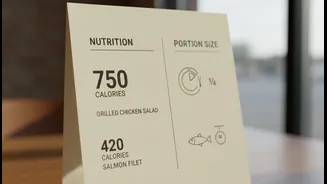
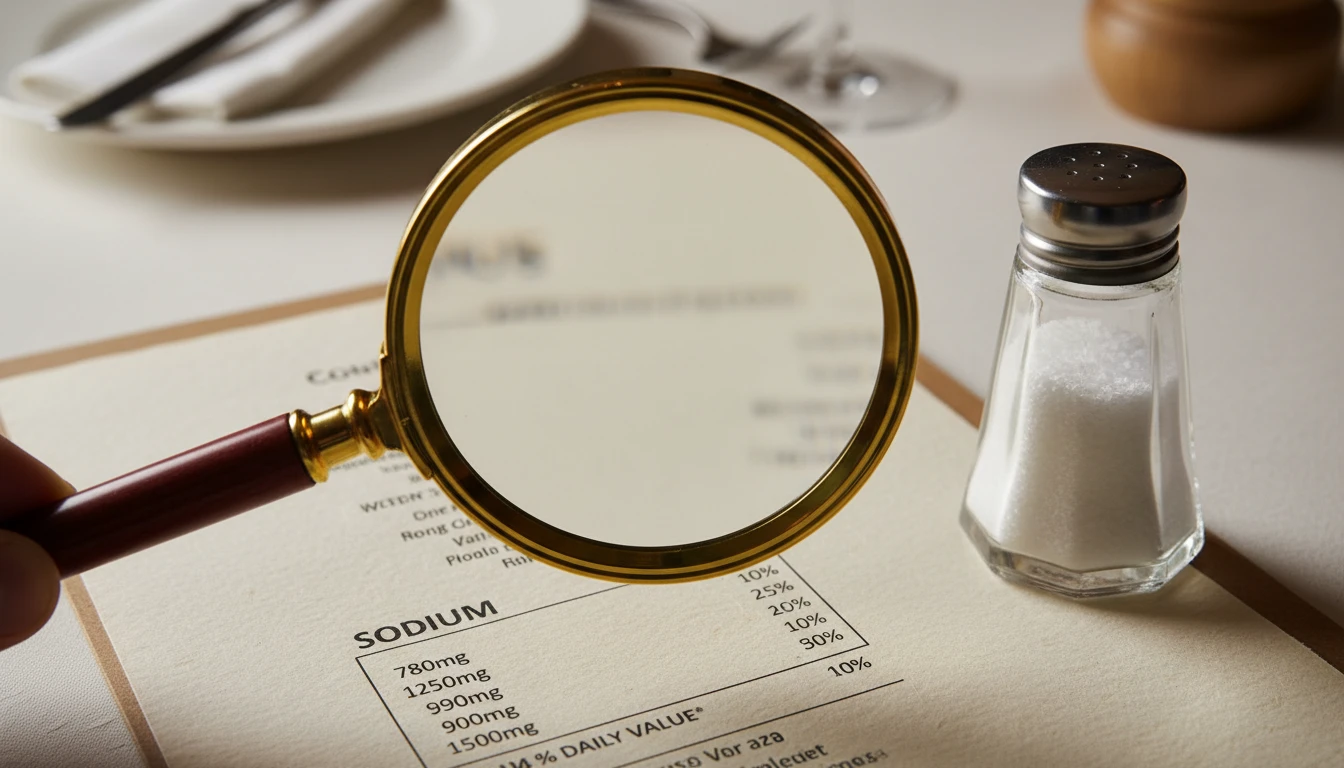
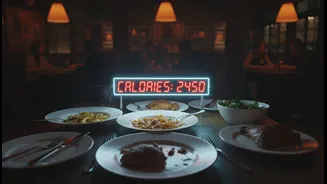
While India's food regulator, the FSSAI, has established comprehensive labelling rules for pre-packaged foods, the same level of transparency does not extend to the restaurant sector. The Food Safety and Standards (Labelling and Display) Regulations, 2020, mandate that packaged goods must display nutritional information, including the amount of sodium per 100g and per serving. Furthermore, FSSAI has been moving towards implementing front-of-pack labelling (FOPL) to give consumers at-a-glance information about products high in fat, sugar, and salt. This is a crucial step for empowering consumers in supermarkets. However, for food prepared and served in restaurants, there is a significant regulatory gap. Diners are left in the dark about the nutritional content of their meals, making it impossible to make informed and healthy choices. This inconsistency is a major public health oversight, as a large portion of the population frequently eats food prepared outside the home.
Why Transparency Is the Best Ingredient
Mandating clear sodium information on restaurant menus is not about penalizing restaurants or shaming consumers. It's about empowerment. Providing this information allows individuals, especially those with or at risk of hypertension, to manage their health proactively. International experience shows that when nutritional information is made available, many consumers use it to select healthier options. Moreover, menu labelling can be a powerful incentive for restaurants to reformulate their recipes. When salt content is displayed for all to see, it creates a competitive environment where healthier dishes become a selling point. This has been shown to work with packaged foods, where labelling regulations have encouraged manufacturers to create lower-sodium products. While some may argue this places a burden on smaller businesses, phased rollouts and simple digital tools for nutritional analysis can make compliance achievable for all. The right to health includes the right to information, and that right shouldn't end when we walk into a restaurant.