




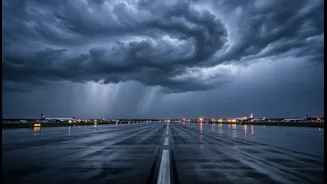


Current Conditions: A Nationwide Downpour
The 2026 monsoon season is proving to be intense. As of early July, heavy to very heavy rainfall has been reported across vast swathes of the country, from the west coast to the northeast. States like Maharashtra have been particularly hard-hit, with
cities like Mumbai experiencing significant waterlogging, which has severely disrupted air, rail, and road transport. The India Meteorological Department (IMD) has issued red and orange alerts for multiple regions, including Mumbai, Thane, Raigad, and parts of Gujarat, warning of continued intense spells. The impact isn't limited to the west; flash floods and landslides have been reported in the northern states of Himachal Pradesh, Uttarakhand, and Jammu and Kashmir, blocking highways and isolating communities. Meanwhile, northeastern states like Arunachal Pradesh and Sikkim are also on high alert for extremely heavy rainfall. This widespread activity makes it crucial for travellers to stay informed about their specific destination.
Before You Leave: Research is Your Best Friend
Spontaneity is a wonderful part of travel, but the monsoon is not the time for it. Before you even pack your bags, your first step should be thorough research. Regularly check the IMD website for the latest forecasts and warnings for your intended route and destination. Local news outlets are invaluable for real-time updates on road closures, train cancellations, and flight delays. Airlines like IndiGo and Air India have been issuing advisories, urging passengers to verify their flight status before heading to the airport. Pay special attention to warnings about landslides in hilly regions like Himachal, Uttarakhand, and the Western Ghats, and flash floods in low-lying areas. If you are planning a trip to a coastal area, be aware of high tide timings, which can exacerbate urban flooding, and follow all posted warnings at beaches, as strong currents are a serious risk.
Packing for the Rain: Go Beyond the Umbrella
A smart monsoon travel kit is about more than just staying dry. Prioritise quick-drying synthetic clothing over cotton, which takes a long time to dry and can feel uncomfortable when damp. Pack a reliable waterproof jacket and rain pants. Your footwear choice is critical; opt for sturdy, non-slip sandals or floaters that can handle being submerged in water and dry quickly. Avoid leather shoes entirely. Protecting your electronics is paramount. Invest in waterproof bags or dry sacks for your phone, camera, laptop, and chargers. A power bank is a non-negotiable accessory, as power cuts can be common during heavy downpours. Lastly, assemble a comprehensive first-aid kit. Include antiseptic wipes, bandages, insect repellent to guard against mosquito-borne illnesses, and any personal medications, as reaching a pharmacy could be difficult during a downpour.
On the Move: Navigating Safely
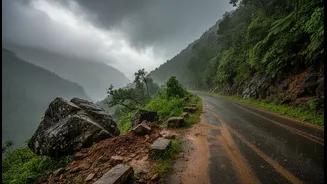
How you travel is as important as where you go. During the monsoon, road travel can be unpredictable. National highways in hilly areas are prone to landslides, and urban roads can become quickly waterlogged. If you must drive, build significant buffer time into your schedule and use navigation apps that provide real-time traffic and road closure information. Train travel is often a more reliable option, but services can still be delayed or cancelled due to water on the tracks, as seen recently in Maharashtra. Always check the status of your train before leaving. Air travel is also susceptible to delays and diversions due to poor visibility and strong winds, a recurring issue at major airports like Mumbai and Delhi this season. The most important rule is to never attempt to drive or walk through flooded areas. The water can be deeper and the current stronger than it appears, and it can hide open manholes or other hazards.
Health and Hygiene on the Go
The monsoon brings an increased risk of water-borne and vector-borne diseases. Be vigilant about what you eat and drink. Stick to bottled or boiled water and avoid tap water and ice from unknown sources. While street food is a highlight of any Indian journey, be extra cautious during the rains. Opt for freshly cooked, hot meals and avoid raw or pre-cut fruits and salads that may have been washed in contaminated water. Dengue and malaria cases often rise during this season, so use a strong insect repellent, especially during the early morning and evening. Wearing long-sleeved shirts and trousers can provide an extra layer of protection against mosquito bites. Maintaining personal hygiene by washing your hands frequently can also help prevent a host of infections.