







The New 30-Day Rule Explained
After a period of confusion over potential changes, the Thai government has settled on a new policy for Indian passport holders. Previously, Indians enjoyed a 60-day visa-free stay, but this has now been revised to 30 days. The decision came after a proposed
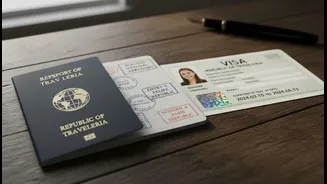
plan to remove India from the visa-free list entirely caused a drop in tourist arrivals, a crucial market for Thailand. This new 30-day rule is a compromise, aimed at aligning with the typical travel duration of Indian tourists while also allowing authorities to manage immigration more effectively. It’s important to note this is a visa-free entry, not a Visa on Arrival; it is designed for tourism purposes and is free of charge. All travellers must also complete the Thailand Digital Arrival Card (TDAC) online before their flight.
The Return Ticket Dilemma
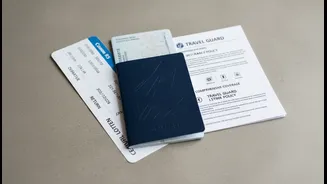
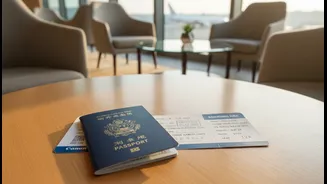
Officially, Thailand requires proof of onward travel for tourists entering under the visa exemption scheme. This means you must have a confirmed ticket to leave Thailand within your 30-day permitted stay. While immigration officers at the airport may not always ask to see it, airlines are often much stricter. To avoid fines and the cost of flying a passenger back, airline staff at your departure airport in India will likely deny boarding if you cannot produce a return or onward ticket. An open-ended ticket is generally not accepted. If your plans are uncertain, a popular option is to book a fully refundable flight or use a legitimate 'onward ticket' rental service that provides a verifiable booking for a small fee. This satisfies the airline's requirement without locking you into a fixed departure date.
Is Travel Insurance Mandatory?
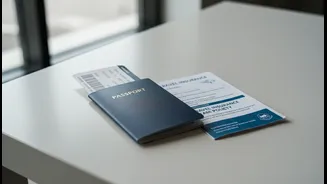
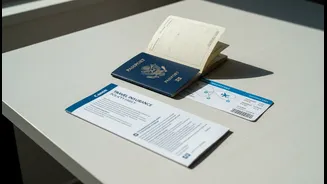
Travel insurance is not a mandatory requirement for Indian tourists entering Thailand under the 30-day visa-free scheme. You will not be asked for proof of insurance at immigration. However, travelling without it is a significant risk. Medical care for foreigners in Thailand can be expensive, and unforeseen events like trip cancellations, lost baggage, or flight delays can disrupt your plans and your budget. While the government doesn't force you to buy it, having a comprehensive travel insurance policy is strongly recommended for financial security and peace of mind. It ensures you are covered for medical emergencies and other travel-related mishaps during your stay.
Planning Itineraries Beyond 30 Days
What if your dream Thai adventure is longer than 30 days? The visa-free entry is strictly for short stays. If you intend to stay longer, you need to secure the right visa before you travel. One option is to enter on the 30-day exemption and apply for a 30-day extension at a local immigration office in Thailand, for a fee, bringing your total potential stay to 60 days. For those planning much longer trips, such as digital nomads or long-stay tourists, Thailand offers other visas. The Destination Thailand Visa (DTV), for example, is valid for five years and allows a stay of up to 180 days per entry, though it requires proof of significant funds. Attempting to overstay your 30-day stamp is illegal and results in daily fines and potential blacklisting.
Your Pre-Travel Checklist
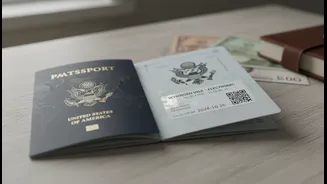
To ensure a smooth entry into the Land of Smiles under the new rules, keep this checklist handy. First, ensure your passport is valid for at least six months from your date of entry. Second, book a return or onward flight ticket departing within 30 days. Third, have proof of your first few nights' accommodation, like a hotel booking. Fourth, be prepared to show proof of sufficient funds if asked — the official requirement is 10,000 THB per person or 20,000 THB per family, which can be shown in cash, on a bank statement, or via a credit card. Finally, complete the online TDAC before you leave for the airport and have the QR code ready. Being prepared with these documents ensures you can answer any questions from airline or immigration staff confidently.