




The Heart of the Wild: Defining the Core Area
Think of the core area as the sanctum sanctorum of a national park or tiger reserve. Legally designated as a Critical Tiger Habitat or a national park under the Wild Life (Protection) Act of 1972, this zone is given the highest degree of protection. Its
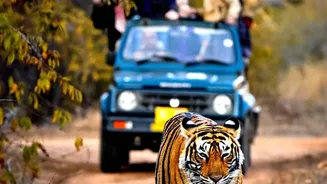
primary purpose is to provide an inviolate space where wildlife, especially sensitive species like tigers, can breed, hunt, and live with minimal human disturbance. Access to this area is heavily restricted. Human activities, from settlement to grazing, are prohibited. While a very limited number of safari vehicles might be permitted on specific routes, the overarching goal is conservation, not tourism. Recent Supreme Court rulings have further reinforced this, banning new safari infrastructure within core zones to prioritise the well-being of wildlife over commercial interests. This area is managed exclusively for the preservation of nature in its most undisturbed state.
The Protective Shield: Understanding the Buffer Zone
Surrounding the core is the buffer zone. As the name suggests, it acts as a crucial shock absorber, protecting the core from the pressures of the outside world. Unlike the sterile environment of the core, the buffer is an area of co-existence. Here, conservation goals are balanced with the needs of local communities and the demands of tourism. Activities that are strictly forbidden in the core, such as sustainable harvesting of forest produce by local tribes and, most importantly, a wider range of tourism activities, are permitted here in a regulated manner. Most wildlife lodges, resorts, and safari entry gates are located in this zone. The buffer is designed to provide a livelihood for people living on the forest's edge, giving them a direct stake in its protection and reducing human-wildlife conflict.
Why This Two-Zone System Is Crucial
This zonation isn't arbitrary; it's a globally recognised conservation strategy. The core area ensures the long-term survival of a viable wildlife population. Without this undisturbed breeding ground, populations would become stressed and fragmented. However, forests don't exist in a vacuum. They are surrounded by villages and towns. The buffer zone is where the complex negotiation between human needs and wildlife conservation happens. By allowing for eco-tourism and other sustainable economic activities, it creates a partnership with local populations. This model helps prevent habitat destruction and poaching by turning locals into the first line of defence for the forest. Animals themselves do not recognise these man-made boundaries and frequently move between the core and buffer zones, making the health of the buffer just as important for their survival.
Tourism: A Tale of Two Realities
Herein lies the critical point for any tourist: your safari experience is defined by these zones. The common belief that the 'best' sightings only happen in the core is increasingly a myth. While core areas offer a glimpse of a pristine ecosystem, they often come with stringent rules, shorter safari durations, and a higher volume of vehicles competing for limited slots. In contrast, buffer zones in many reserves like Tadoba and Pench are now renowned for incredible, and often more peaceful, wildlife sightings. With fewer vehicles and more flexible timings, animals in the buffer can be less stressed, offering better and longer viewing opportunities. So, when a reserve advertises that its buffer zone is open for safaris, it is offering access to this rich, vibrant habitat—not a backdoor into the highly protected core. The rules are clear and legally enforced by bodies like the National Tiger Conservation Authority (NTCA).