
Lithium-Ion: The Reigning Champion
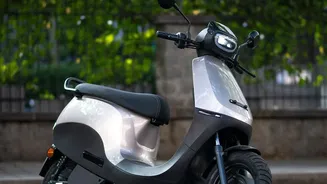
For the last two decades, lithium-ion (Li-ion) batteries have been the undisputed king of portable energy. They power everything from our smartphones to the current generation of electric scooters and cars. Their success comes down to one key factor:
high energy density. Simply put, they can store a lot of energy in a relatively small and lightweight package. This is crucial for a vehicle like a scooter, where space and weight are at a premium. A lighter battery means a longer range and better handling. However, this performance comes at a cost. Lithium, along with other essential materials like cobalt and nickel, is relatively scarce, geographically concentrated, and subject to volatile pricing. This directly contributes to the high upfront cost of electric vehicles, keeping them just out of reach for a large segment of the market.
The Challenger: What is a Sodium-Ion Battery?
A sodium-ion (Na-ion) battery works on the same basic principle as its lithium-ion cousin: it moves ions between a positive and negative electrode to store and release energy. The key difference, as the name suggests, is that it uses sodium ions instead of lithium ions. The main appeal of sodium is its incredible abundance. It's one of the most common elements on Earth, found everywhere in salt. This abundance means the raw material is significantly cheaper and not tied to the same geopolitical supply chain issues as lithium. Furthermore, sodium-ion batteries can often be built using less expensive materials like aluminium instead of copper, further driving down potential production costs. They also have performance advantages in wider temperature ranges and are considered safer, as they can be fully discharged to zero volts for transport without risk.
The Trade-Off: Cost vs. Performance
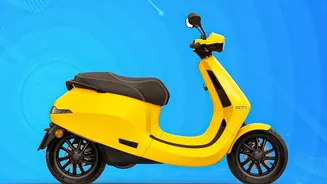
If sodium-ion is so much cheaper, why isn't it everywhere? The primary trade-off is energy density. Currently, sodium-ion batteries store less energy per kilogram than Li-ion batteries. A typical Na-ion cell might offer 100-175 Wh/kg, while a standard Li-ion cell can reach 150-300 Wh/kg. This means that for the same range, a sodium-ion battery pack would need to be larger and heavier, which is a significant drawback for two-wheelers. However, this gap is closing. Some manufacturers have already developed Na-ion batteries with energy densities approaching that of entry-level lithium-iron-phosphate (LFP) batteries, a popular and safer type of Li-ion battery. While Na-ion batteries may not be ideal for high-performance, long-range electric superbikes, their profile makes them a perfect candidate for city-speed, entry-level scooters where a range of 80-100 km is more than sufficient.
The Indian Context: 'Desh Ki Battery'
The potential of sodium-ion technology has not gone unnoticed in India. Several companies are making significant strides in developing and commercialising what some are calling 'Desh Ki Battery' (the nation's battery). Reliance acquired the UK-based firm Faradion and plans to build a giga-factory in India. Meanwhile, startups like Indi Energy, based out of IIT Roorkee, are innovating by creating key battery components from agricultural waste. Their 'BioBlack' hard carbon anode is derived from biomass, tackling both energy independence and the problem of crop stubble burning. These companies are not just assembling imported parts; they are building a domestic supply chain from the ground up, aiming to reduce India's heavy reliance on imported cells and materials. This indigenous production is key to realising the full cost benefits of sodium-ion technology for the Indian consumer.