

The Nine-Day Wardrobe: A Riot of Colour and Craft
Fashion during Navratri is a vibrant, deeply personal affair, guided by a popular tradition that assigns a specific colour to each of the nine days. For 2026, the palette begins with Orange on October 11th and moves through White, Red, Royal Blue, Yellow,
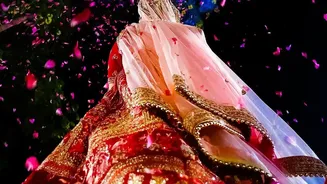
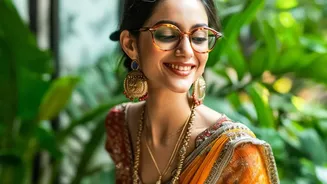
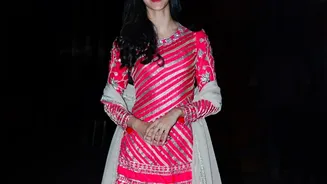
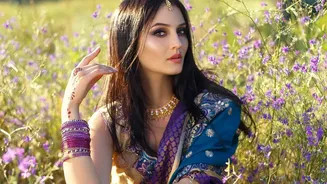
Green, Grey, Purple, and finally Peacock Green. This colour calendar drives a surge in demand for ethnic wear. The undisputed star of the show, especially for Garba and Dandiya nights, is the chaniya choli—a three-piece outfit featuring a flared skirt, a fitted blouse, and a dupatta. Retailers report a major uptick in sales of these outfits, often adorned with mirror work, traditional embroidery, and shells. Beyond the classics, 2026 is seeing a rise in fusion and comfort-driven styles. Anarkali gowns, sharara sets, and palazzo suits are popular for their blend of elegance and ease of movement, perfect for long nights of dancing. Many are also adopting a 'capsule wardrobe' approach, using neutral base outfits and swapping in colourful dupattas or accessories to match the day's designated shade, a smart and sustainable way to stay festive. Oxidized silver jewellery remains the go-to accessory to complete the look.
Feasting and Fasting: The Navratri Platter
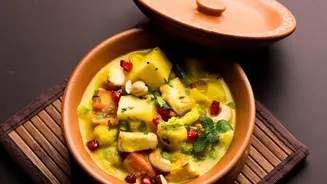
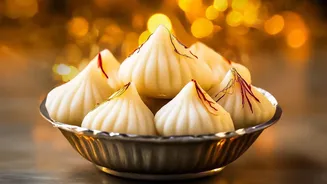
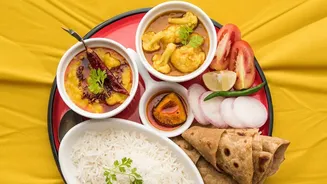
Food choices during Navratri are split between two distinct trends: traditional fasting (vrat) cuisine and innovative restaurant menus. For those observing the fast, staples like sabudana (tapioca), kuttu (buckwheat flour), and samak rice (barnyard millet) are essential. Homes are filled with the aroma of sabudana khichdi, kuttu ki puri, and vrat-friendly potato curries, prepared without onion, garlic, or regular salt. Simultaneously, India's culinary scene embraces the festival with creativity. Restaurants nationwide, from local eateries to five-star hotels, roll out special Navratri thalis and à la carte menus. These curated meals feature everything from traditional fare like paneer makhani made with rock salt to inventive fusion dishes like kuttu tacos or sabudana risotto. Food delivery platforms and restaurant chains see a significant spike in orders for these special menus, catering to devotees who are fasting but still wish to dine out or order in. It's a clear reflection of how ancient dietary customs are being adapted for modern convenience and gourmet tastes.
Journeys of Devotion and Celebration
Travel patterns in India see a distinct shift during the festive period from Navratri to Diwali. The nine-day festival prompts two main types of journeys: spiritual pilgrimages and trips to cultural hotspots. Many devotees travel to revered temples, with Vaishno Devi in Jammu and Kashmir, the Kamakhya Temple in Assam, and various Shakti Peethas seeing a significant increase in visitors. But the travel isn't purely devotional. Navratri is also a major draw for cultural tourism. Ahmedabad and Vadodara in Gujarat become epicentres of activity, pulling in thousands for their massive Garba and Dandiya Raas events, a tradition so significant it's recognized by UNESCO. In West Bengal, the festival, celebrated as Durga Puja, turns Kolkata into a sprawling open-air art gallery with elaborate 'pandals' (temporary structures housing goddess idols) that attract millions of visitors. Many also travel back to their hometowns for family gatherings, making trains and flights busier and driving up bookings weeks in advance.