








Before You Start: Monsoon-Proof Your Vehicle
Preparation is your first line of defence against monsoon-related troubles. Before the rains intensify, get your vehicle monsoon-ready. Tyres are critical; ensure they have adequate tread depth (at least 2-3mm) to grip wet roads and prevent aquaplaning.
Worn-out tyres can be extremely dangerous. Next, inspect your brakes. Wet conditions increase stopping distances, so your brake pads and lines must be in top condition. Equally important are your wiper blades. Summer heat can harden the rubber, causing streaks that impair vision during a downpour. Replace them if they are not clearing the windshield effectively. Finally, check all your lights—headlights, tail lights, and indicators. Good visibility is crucial for seeing and being seen in heavy rain.
On the Road: Smart Driving Techniques
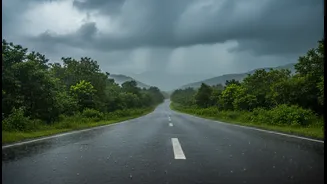
Once you are on the move, adjust your driving style. The cardinal rule is to slow down. Speeding on wet roads reduces reaction time and increases the risk of skidding. Maintain at least double the usual following distance from the vehicle in front to account for longer braking distances. Avoid sudden movements; accelerate gently, brake softly, and steer smoothly. Hard braking on a wet surface can lock up your wheels and cause you to lose control. Be particularly wary of painted road markings like zebra crossings, as they become exceptionally slippery when wet. If you feel your car starting to aquaplane (a sensation of lightness in the steering), do not brake or turn suddenly. Ease off the accelerator and hold the steering wheel straight until your tyres regain grip.
Navigating Waterlogged Stretches
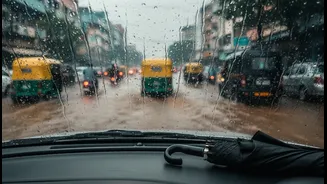
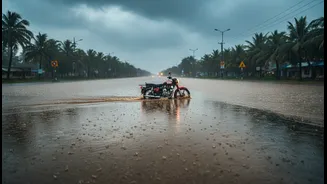
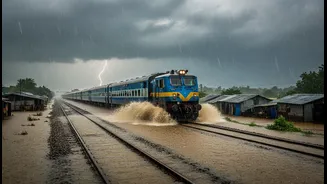
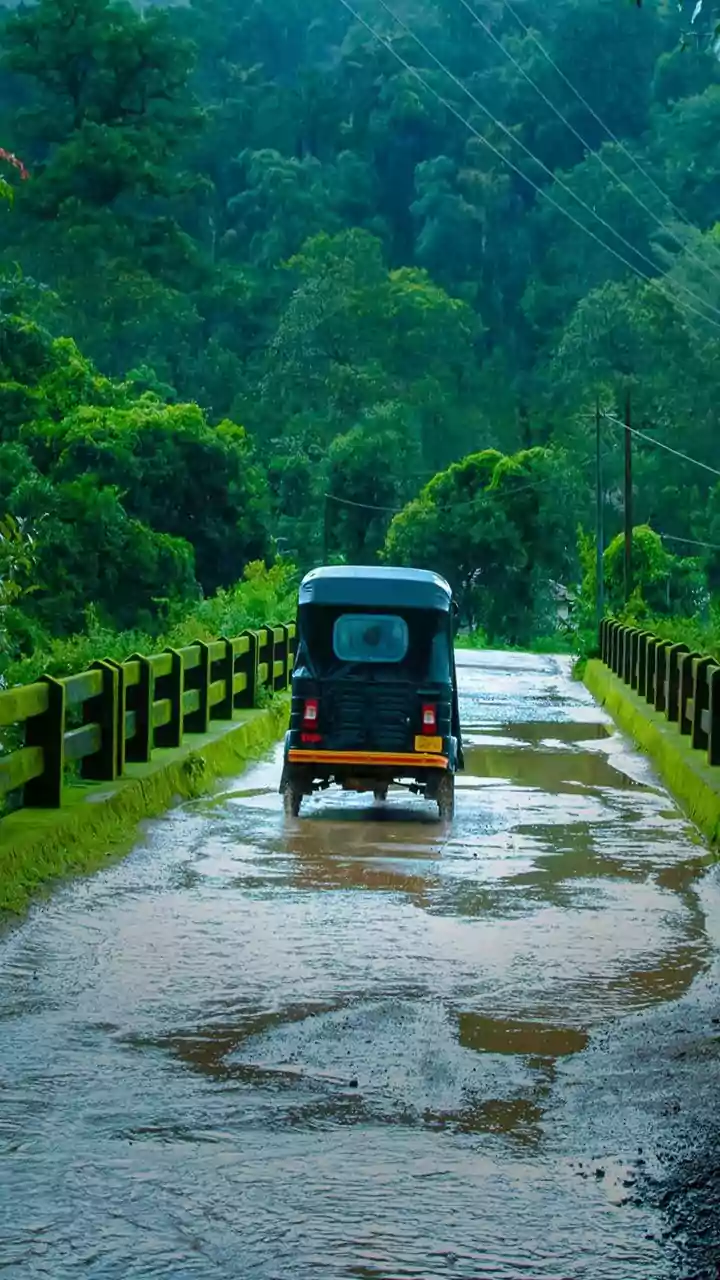
Encountering a waterlogged street is almost a certainty during Indian monsoons. The golden rule is: when in doubt, turn around. It's difficult to judge the depth of standing water, and it may conceal open manholes or deep potholes. As little as six inches of water can cause you to lose control, and a foot of water can float many cars. If you must proceed, do so only if you can see the ground through the water and it is no deeper than the bottom of your car doors. Drive slowly and steadily in a low gear, keeping the engine revs high to prevent water from entering the exhaust pipe. Avoid creating a large bow wave, which can flood your engine. After clearing the water, gently tap your brakes to dry them out and ensure they are working correctly.
Tips for Two-Wheeler Riders
Riders of motorcycles and scooters face even greater challenges. Visibility is paramount, so wear a full-face helmet with a clear, anti-fog visor and consider using reflective gear to make yourself more visible to others. Just like with cars, ensure your tyres have good tread and your brakes are effective. Be smooth with your controls—no sudden acceleration or braking. Be aware that the first rains mix with oil and dust on the road, creating an invisibly slick film. Stay away from the centre of the lane where oil deposits are heaviest. Avoid puddles, as they can hide dangerous potholes. Gentle, progressive braking using both front and rear brakes will provide the most stability.
Personal Safety and Health Precautions
Sometimes, you have no choice but to wade through floodwaters. Be aware that this water is often contaminated with sewage, chemicals, and garbage, posing significant health risks. It can cause skin infections and expose you to dangerous bacteria that cause diseases like leptospirosis, which can enter the body through small cuts. If you must walk through stagnant water, wear protective footwear like gumboots. As soon as you reach home, thoroughly wash your feet and legs with soap and clean water, and inspect for any cuts or abrasions. It's also wise to pack an emergency kit in your vehicle, including a first-aid kit, a torch, a power bank, drinking water, and some dry snacks.