


Puri: More Than a Pilgrim's Path
While the 12th-century Jagannath Temple is Puri's undeniable spiritual and architectural heart, the city's smaller lanes hide a wealth of other structures. The city is one of India's four sacred Char Dham pilgrimage sites, and its Kalinga architecture,
defined by soaring spires and intricate carvings, is a sight to behold. But look further to discover the old 'mathas' (monasteries) and historic tanks like the Markandeshwar Tank, which is linked to the ancient Markandeshwar Temple. These lesser-known sites offer a quieter, more contemplative experience of the city's deep-rooted architectural traditions that have evolved over centuries. Even the Gundicha Temple, famous for its role in the annual Rath Yatra, offers a different perspective on temple design and devotional space.
Konark: The Sun God's Stone Chariot
No architectural tour of coastal Odisha is complete without a visit to the Konark Sun Temple, a UNESCO World Heritage Site since 1984. Built in the 13th century by King Narasimhadeva I, the temple is designed as a colossal stone chariot for the Sun God, Surya. It features 24 intricately carved wheels, each acting as a sundial, and is pulled by seven mighty horses. This masterpiece of Kalinga architecture is famed for its detailed sculptures covering every surface, depicting everything from deities and celestial beings to scenes of daily life. Though the main tower has long since collapsed, the surviving audience hall (Jagamohana) and dancing hall (Nata Mandira) provide a breathtaking glimpse into the period's engineering and artistic prowess. The temple’s orientation is precisely east-west, designed so the first rays of sunrise would illuminate the main entrance.
Gopalpur-on-Sea: A Whisper of Colonial Days
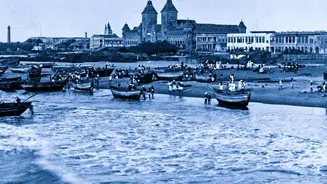
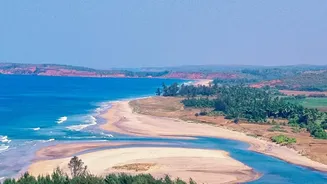
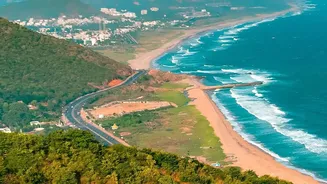
The quiet beach town of Gopalpur-on-Sea offers a distinct architectural flavour. Once a bustling commercial port during the British Raj, it now retains a tranquil atmosphere with reminders of its colonial past. The most prominent landmark is the old brick lighthouse, a stark and simple structure from the British era that stands as a silent witness to the town's maritime history. Wandering the backstreets reveals crumbling but elegant bungalows and mansions with Anglo-Indian architectural influences, remnants of a time when it was a favoured retreat for Europeans. These dilapidated structures, along with the ruins of an old jetty, evoke a sense of faded grandeur, telling the story of a port that once facilitated trade with Burma and beyond before declining into a peaceful seaside resort.
Balasore: A Forgotten European Outpost
Further north along the coast, the city of Balasore holds the layered history of multiple European powers who established trading posts here. Long before the British, the Portuguese, Dutch, and Danish all had a presence in the area, using it as a strategic port for trade in textiles like muslin, rice, and other goods. Today, evidence of this multicultural past is subtle but can still be found. Place names like 'Dinamar Dinga' (Danish settlement) and 'Farasi Dinga' (French settlement) hint at this history. While many of the original factories are gone, visitors can still find remains of old Dutch tombs and a British cemetery, offering a tangible connection to the European merchants and officials who once lived and worked along this coast. This makes Balasore a fascinating stop for those interested in the early history of European trade in India.