



Why High Humidity is a Problem in Rentals
High humidity does more than just make a room feel stuffy and uncomfortable. It creates the perfect breeding ground for mould and mildew, which can leave dark stains on walls and release a persistent musty odour. For renters, this is a significant issue,
as permanent solutions like installing high-powered ventilation are often not an option. Excess moisture can also damage personal belongings, from clothing and books to wooden furniture. In a rental context, where making structural changes is restricted, finding effective, non-permanent ways to control humidity is key to maintaining a healthy and pleasant living environment. Simple, natural solutions can make a noticeable difference without violating your lease agreement.
1. Peace Lily (Spathiphyllum)
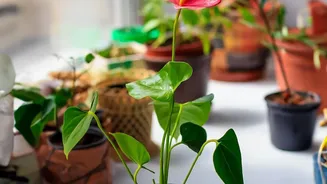
The Peace Lily is a popular choice for indoor environments, celebrated not just for its elegant white blooms but also for its air-purifying qualities. Its broad, waxy leaves are effective at absorbing moisture from the air through a process called transpiration. This tropical native thrives in humid conditions, making it particularly well-suited for bathrooms and kitchens where steam and moisture are common. Beyond tackling humidity, Peace Lilies are known to filter common indoor toxins like ammonia, benzene, and formaldehyde. They are relatively easy to care for, preferring indirect light and consistently moist soil, making them a beautiful and functional addition to any rental home.
2. Snake Plant (Sansevieria Trifasciata)
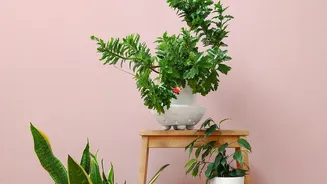
Known for its resilience and striking vertical leaves, the Snake Plant is a low-maintenance powerhouse. It's renowned for its ability to purify the air by filtering toxins like formaldehyde and benzene. While many plants release oxygen during the day, the Snake Plant is unique because it continues this process at night, promoting better air quality while you sleep. Though its dehumidifying effect is more modest, it contributes to a fresher environment by adding moisture to dry air and helping to reduce airborne allergens like dust. Its ability to tolerate low light and infrequent watering makes it an ideal, fuss-free companion for busy renters.
3. Spider Plant (Chlorophytum Comosum)
The Spider Plant is one of the easiest and most adaptable houseplants to grow, making it perfect for beginners. Its arching leaves are not only decorative but also work to absorb excess moisture from the air. These plants are also champions at filtering common indoor pollutants, including formaldehyde and carbon monoxide. Spider Plants thrive in a variety of conditions and are forgiving if you occasionally forget to water them. They produce small plantlets, or "spiderettes," that can be easily propagated, allowing you to add more greenery throughout your home at no extra cost.
4. Boston Fern (Nephrolepis Exaltata)
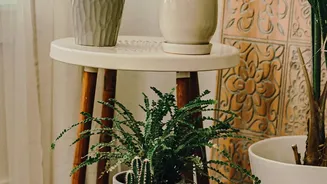
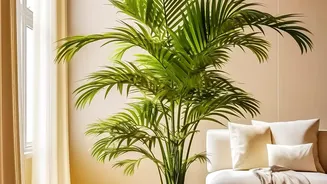
With its lush, feathery fronds, the Boston Fern is a classic plant that excels in humid environments. It acts as a natural humidifier, but its dense foliage also effectively absorbs moisture from damp air, helping to balance indoor humidity levels. This makes it an excellent choice for a bathroom with some natural light or a humid corner of your living space. Boston Ferns are known to remove toxins like formaldehyde and xylene from the air as well. To keep them happy, provide indirect light and ensure their soil remains consistently moist.
5. English Ivy (Hedera Helix)
English Ivy is a versatile trailing vine that is particularly effective at absorbing airborne moisture, making it a great choice for smaller, humid spaces like kitchens and bathrooms. It can be placed in a hanging basket or on a high shelf, saving valuable floor space in a compact rental. Studies have noted its ability to reduce airborne mould particles, which is a significant benefit in damp-prone areas. This hardy plant thrives in bright, indirect light and adds a touch of cascading greenery to any room while quietly working to keep the air fresher.
The Power of Clay Dehumidifiers
For a silent, eco-friendly, and reusable solution, consider clay dehumidifiers. These products typically use montmorillonite clay, a natural mineral with a highly porous structure that attracts and traps water molecules from the air through adsorption. They are completely passive, requiring no electricity to function. While a single clay pot won't dry out a large, water-logged room, they are excellent for enclosed spaces like wardrobes, cabinets, or small bathrooms where dampness can accumulate. They are non-toxic, safe to use around pets and children, and can often be "recharged" by drying them in an oven or in the sun, making them a sustainable and cost-effective choice for renters.
Bonus Tips for a Drier Rental
While plants and clay absorbers help, combining them with good habits maximizes their effect. Always use the exhaust fan when cooking or showering to vent moisture outside. On dry, less humid days, open windows to encourage air circulation. Avoid drying laundry indoors if possible, as it releases a large amount of moisture into the air. Finally, leaving a small gap between furniture and walls allows air to flow, preventing moisture from getting trapped and discouraging mould growth.