



From Greens to Guavas
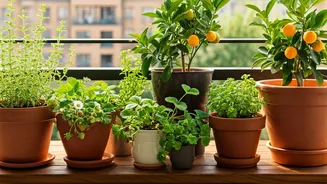
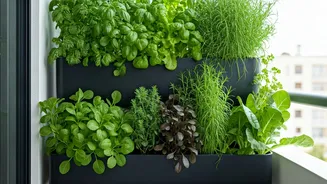
For years, the urban gardening story was one of potted basil, mint, and maybe a determined row of spinach. These were practical, quick wins for city dwellers craving a touch of green. But a new chapter is unfolding. Increasingly, gardeners are looking
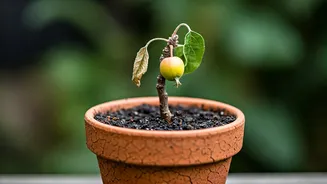
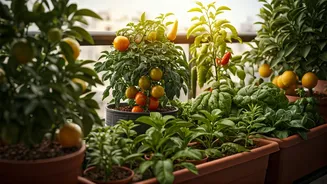
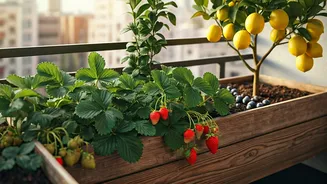
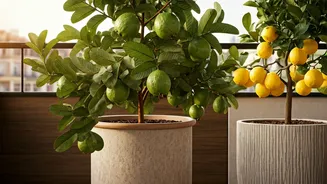
past the immediate gratification of herbs to the long-term satisfaction of fruit. This “fruit phase” sees them cultivating everything from strawberries and papayas in pots to dwarf varieties of mangoes and guavas. It represents a significant shift in ambition, patience, and the desire for a deeper connection to the food they eat. The trend is powered by the availability of dwarf and grafted saplings that are specifically bred for compact spaces, making the dream of a balcony orchard a tangible reality.
Why the Sweet Obsession?
Several factors are driving this fruity trend. The primary motivation is the unparalleled taste and nutritional value of homegrown produce. Fruit picked at peak ripeness from your own plant is packed with flavour and nutrients that store-bought alternatives, often picked prematurely for transit, simply cannot match. Beyond taste, there is a growing desire for food security and transparency. Cultivating your own fruit means you know exactly what has gone into it—no hidden pesticides or ripening agents. Furthermore, gardening is a well-documented stress buster, a therapeutic activity that offers a sense of accomplishment. In the concrete confines of a city, nurturing a plant from flower to fruit is a powerful way to connect with nature’s cycles.
The Balcony Orchard
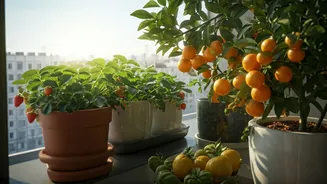
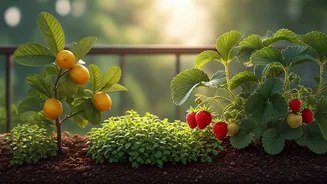
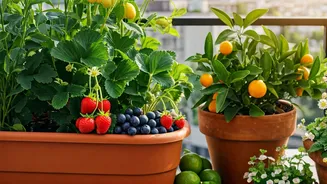
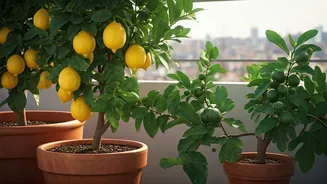
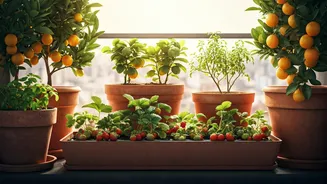
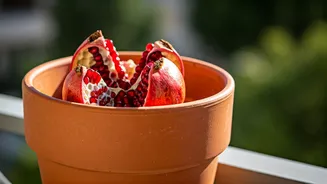
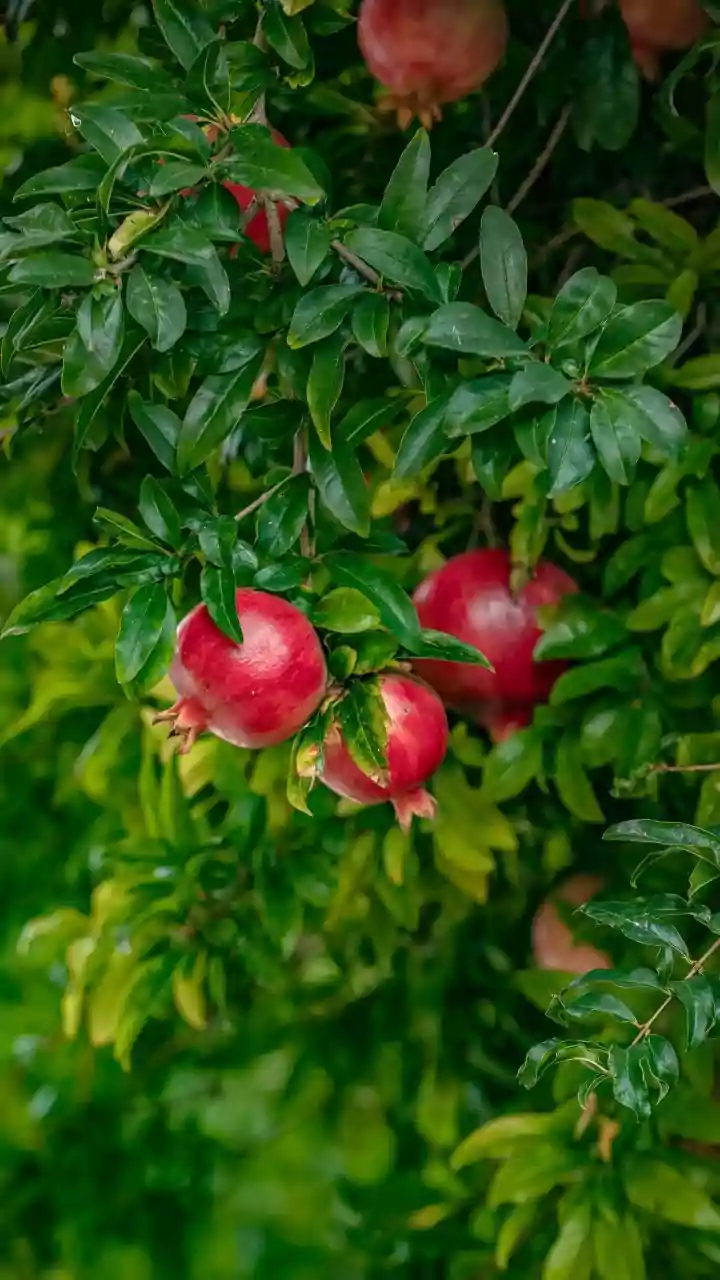
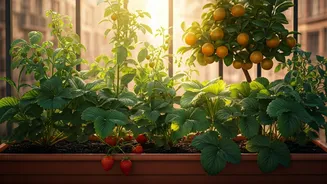
So, what does this new urban orchard look like? It’s surprisingly diverse. Thanks to horticultural innovation, a surprising variety of fruits can now thrive in containers. Strawberries are a popular starting point, as they are low-maintenance and grow quickly. Dwarf varieties of papaya, pomegranate, and starfruit are also becoming common sights on Indian balconies. For the more patient gardener, grafted saplings of lemons, figs, and even the famed Amrapali mango are excellent choices, bred to produce fruit in large pots without growing to an unmanageable size. These plants not only provide fresh, organic produce but also act as beautiful, decorative additions to a home, with many offering fragrant blossoms before they bear fruit.
Not Without Its Challenges
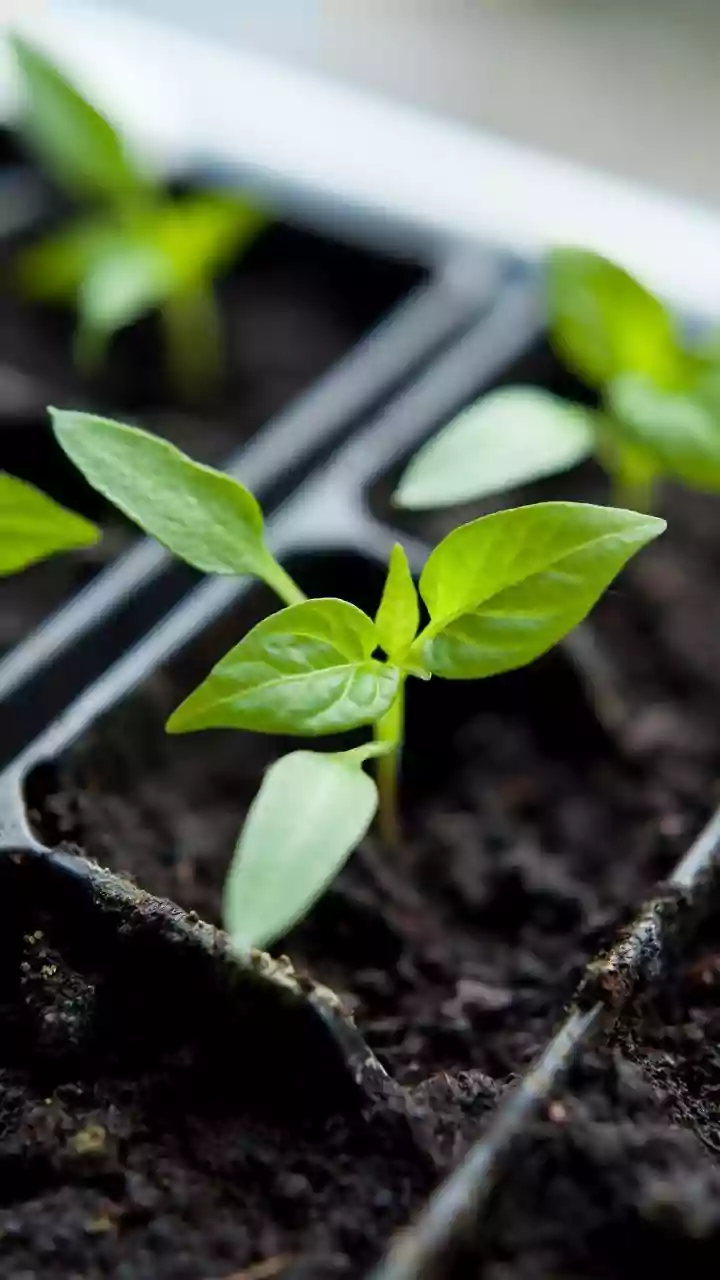
Growing fruit, especially in containers, is a more complex endeavour than growing herbs. It requires a greater investment of time, knowledge, and patience. One of the main challenges is ensuring proper pollination, which can be tricky in a high-rise environment with fewer bees. Urban gardeners often have to learn to hand-pollinate their plants. Space and sunlight are also critical; most fruit trees need at least six to eight hours of direct sun. Pests and soil nutrition are other hurdles. The limited soil in a pot can quickly become depleted of nutrients, requiring regular feeding, and container gardens can be susceptible to pests. Furthermore, harsh conditions on a balcony or rooftop, like high winds and intense heat, can stress plants.
A Taste of Community
The fruit phase isn’t just an individual pursuit; it’s fostering a sense of community. Online forums and local gardening groups are buzzing with tips on everything from pollinating pomegranate flowers to choosing the right fertiliser for a potted mango. This sharing of knowledge is crucial for success. On a larger scale, the trend is mirrored in the rise of community orchards in public spaces, where residents collectively care for fruit trees and share the harvest. These initiatives turn neglected city lots into productive green spaces, addressing food accessibility issues and strengthening neighbourhood bonds. Whether it’s sharing surplus figs with a neighbour or participating in a community-wide planting drive, growing fruit is bringing people together.