



A New Dawn for Indian Travel
India's massive coastline, numerous islands, and vast network of inland rivers and lakes have long held immense potential for water-based aviation. After years of planning and several pilot projects, this potential is finally taking flight. Under the
government's regional connectivity scheme (UDAN), a significant push is underway to develop water aerodromes and create new seaplane routes. This initiative aims to connect remote and underserved areas, transforming travel to destinations that were once difficult or time-consuming to reach. For adventurous backpackers and explorers, this means the map of accessible India is being redrawn, with breathtaking new journeys now possible. The focus is not just on luxury travel; by making these routes part of the UDAN scheme, the goal is to make them more affordable and accessible.
Lakshadweep: The Crown Jewel
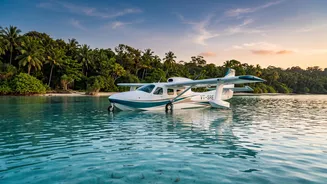
The most anticipated development is the launch of seaplane services in Lakshadweep. Spearheaded by SkyHop Aviation, India's first dedicated seaplane airline, these new corridors will connect the mainland (likely from Kochi) to several islands like Agatti, Kavaratti, and Kadmat. Currently, travel to these idyllic atolls involves a flight to the main Agatti airport followed by long, often weather-dependent boat transfers. Seaplanes will revolutionize this, offering direct inter-island hopping and drastically cutting down travel time. Backpackers can soon look forward to landing on turquoise lagoons, getting stunning low-altitude aerial views of the coral reefs, and easily exploring multiple islands in a single trip. This service promises to be a game-changer for experiencing one of India's most pristine and exclusive destinations.
Andaman's Aerial Advantage
While seaplanes have operated intermittently in the Andamans before, a renewed focus is set to make them a staple of island travel. The classic route between Port Blair and Havelock Island (Swaraj Dweep) serves as a prime example of the seaplane's advantage. What is typically a multi-hour ferry ride becomes a stunning 25-minute flight, offering bird's-eye views of landmarks like the Cellular Jail, Ross Island, and the archipelago's lush green canopy. With simplified guidelines and new routes planned for the Andaman and Nicobar network, island-hopping will become faster and more scenic than ever. This allows travellers to maximise their time exploring hidden beaches, snorkelling in world-class reefs, or kayaking through serene mangroves.
Himalayan Lakes and Mainland Marvels
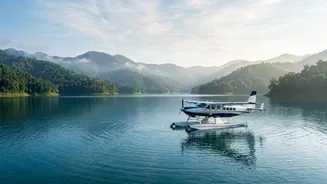
The seaplane revolution isn't just for coastal areas. In Uttarakhand, successful test flights have paved the way for a Himalayan seaplane circuit. A key route will connect Rishikesh with Tehri Lake, a massive reservoir nestled in the mountains. This will slash the gruelling 4-5 hour drive to a mere 25-minute flight. Following these trials, plans are afoot to expand services to other water bodies like Nanak Sagar Lake and Haripur Reservoir, creating an interconnected network across the state. Similar corridors are being explored in other states, with proposals for services in Kerala's backwaters, connecting its airports to destinations like Munnar, Vembanad, and Ashtamudi, as well as Chilika Lake in Odisha.
What Backpackers Need to Know
While seaplane travel sounds exclusive, the inclusion of many routes under the UDAN scheme is aimed at keeping fares in check. While not as cheap as a bus ticket, they are expected to be significantly more affordable than helicopter services. For example, indicative fares on some routes might range from ₹1,500 to ₹5,000. Luggage allowance is another key consideration. Typically, seaplanes have stricter limits, often around 20-25 kg in total (including cabin baggage), so packing light will be essential. The biggest advantage for backpackers is the time saved and the unique experience. The ability to bypass hours of uncomfortable ground or sea travel allows for more time spent at the destination, making it possible to explore more remote spots on a shorter itinerary.