

Ladakh: High-Altitude Desert's Deceptive Dangers
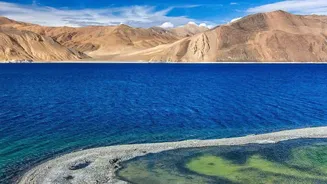
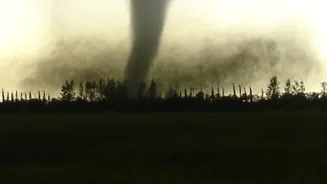
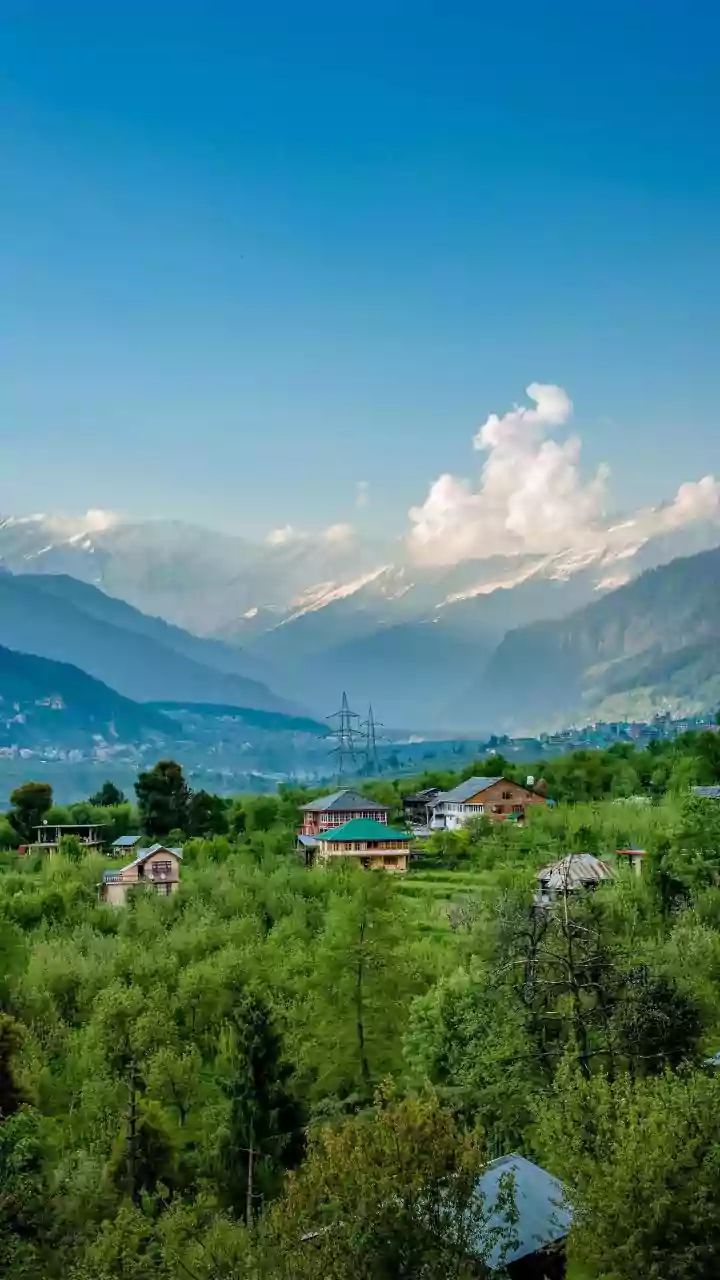
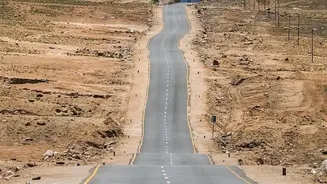
Often marketed as a rain-shadow region and a perfect monsoon escape, Ladakh presents a complex picture. While Leh itself might be sunny, the surrounding high-altitude terrain is vulnerable to sudden and intense weather events. In recent years, cloudbursts
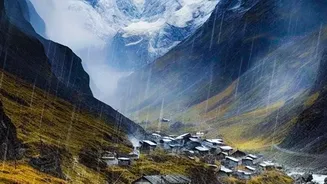
have triggered dangerous flash floods and landslides in areas around Leh, Kargil, and Drass. These events can wash away roads and bridges with little warning, potentially stranding travellers. The access routes to Ladakh, such as the Srinagar-Leh Highway (via Zoji La) and the Manali-Leh Highway, are particularly susceptible to landslips and closures during this season. Just this month, there have been incidents of tourists needing rescue after being trapped by mudslides. So while you might escape the persistent rain of the plains, the risk shifts to sudden, localised, and severe events that can severely disrupt travel plans.
Kerala: God’s Own Country Under a Watery Siege
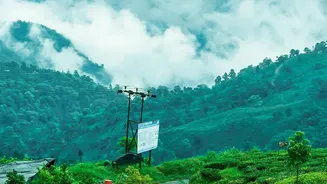
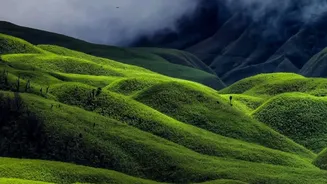
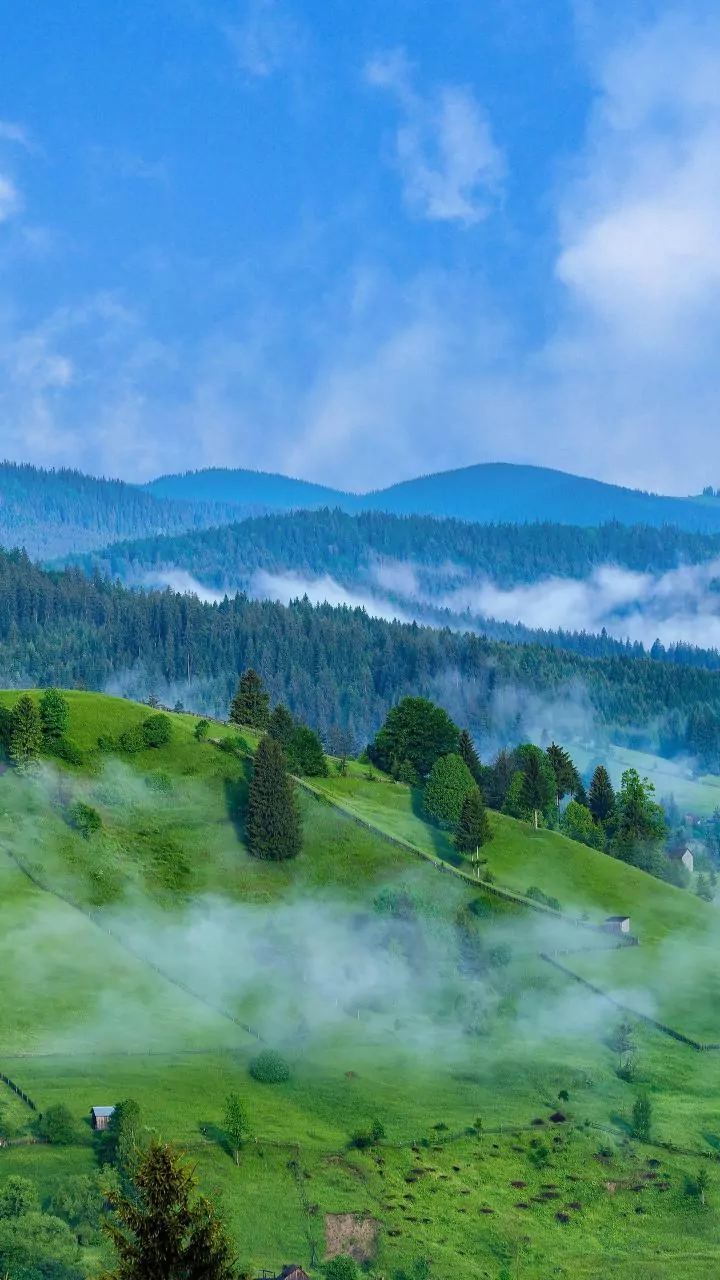
Kerala's monsoon is iconic, turning the landscape into a vibrant green. However, the state is extremely vulnerable to the perils of heavy rainfall. The India Meteorological Department (IMD) frequently issues alerts for the region during this period. As recently as early August 2026, intense rains led to devastating floods and landslides, causing fatalities and widespread damage across several districts. The hilly regions, including popular tourist destinations like Munnar and Wayanad, are especially prone to landslips that can cut off access and pose a direct threat to safety. Authorities have become more vigilant since the catastrophic floods of 2018, but the ecological fragility remains. Travellers must be aware that heavy downpours can lead to the release of water from dams, causing rivers to swell rapidly and flood low-lying areas, disrupting road and rail traffic. Current advisories still warn of thunderstorms and heavy rainfall in parts of the state.
Goa: A Different Kind of Monsoon Gamble
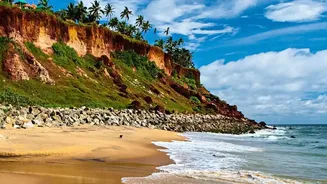
Monsoon in Goa means a very different experience from its peak-season sun and sand reputation. The risks here are less about catastrophic landslides and more about coastal dangers and activity shutdowns. The primary concern is the sea. Strong currents and high tides make swimming extremely dangerous, leading to annual drowning incidents. In response, authorities often implement a ban on entering water bodies, including the sea and even waterfalls, which can become treacherous. Many beach shacks and water sports operators shut down for the season, so the lively beach scene is replaced by a much quieter, more serene atmosphere. While the lush, rain-washed landscapes are beautiful for sightseeing, continuous rainfall can lead to waterlogging on roads. The IMD forecasts widespread rainfall for Goa through the end of August, so visitors should expect wet conditions and plan activities accordingly, prioritising safety over adventure.
How to Choose and Plan Safely
Your choice depends on your risk tolerance and travel style. If you choose Ladakh, you are betting against sudden, localised events; your itinerary must be flexible enough to handle road closures that could last days. For Kerala, you are navigating the risk of widespread, persistent rain with significant potential for flooding and landslides; this requires avoiding vulnerable hilly areas and staying updated on daily district-level alerts. Goa offers a potentially safer bet in terms of life-threatening events but requires a complete shift in expectations—it's a holiday for enjoying the rain and greenery, not for beach activities. For any of these destinations, the rules are the same: do not travel without checking the latest IMD forecasts, pay attention to local advisories, avoid driving in extreme weather, and never underestimate the power of water. A buffer of a few extra days in your travel plan is also a wise precaution.