





The Microwave Minefield
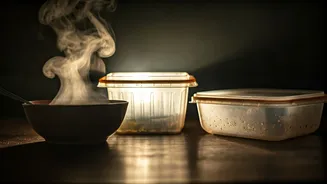
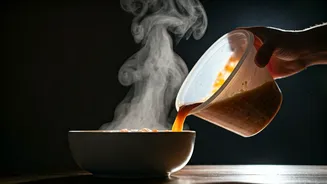
Not all plastics are created equal, especially when it comes to heat. Microwaving food in a container not designed for it can cause harmful chemicals like BPA and phthalates to leach into your meal. These substances are known as endocrine disruptors,
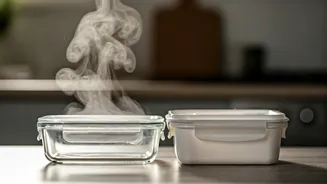
which can interfere with the body's hormonal systems. Always look for a 'microwave-safe' symbol, which often looks like wavy lines. However, even 'safe' plastics can degrade over time. When in doubt, transfer food to a glass or ceramic dish before heating. Never use single-use containers, like those for yoghurt or takeout, for microwaving, as they can warp, melt, and release more chemicals.
Know Your Numbers
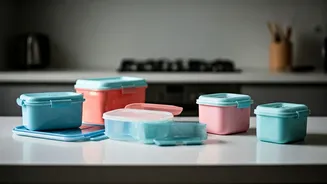
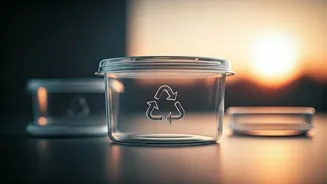
Turn over your container and look for the recycling symbol with a number inside. This code tells you about the type of plastic it is. For food storage, numbers 2 (HDPE), 4 (LDPE), and 5 (PP) are generally considered safer choices. Number 5 (PP), polypropylene, is often used for containers meant for reuse, like yoghurt tubs, and typically has a high melting point, making it more suitable for hot foods and dishwasher use. It's best to be cautious with plastics marked with 3, 6, and 7, as they may contain chemicals like phthalates or BPA that you want to avoid, especially with food.
Wash Wisely, Not Harshly
While many plastic containers are labelled 'dishwasher-safe', placing them on the top rack is always a safer bet, where the heat is less intense. High temperatures can cause plastics to degrade faster, potentially increasing the release of microplastics and chemicals. For stubborn stains, especially from tomato sauces or curries, try creating a paste of baking soda and water and letting it sit before washing. For lingering odours, a soak in a vinegar-water solution can help. Hand washing with a non-abrasive sponge will generally prolong the life of your containers.
Spot the Signs of Wear
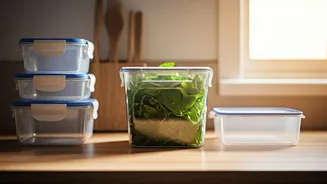
There's no universal expiration date for a plastic container, but its condition is the best indicator of its safety. It's time to retire a container if it's deeply scratched, cracked, or permanently stained. Scratches and cracks can not only harbour bacteria but may also lead to a higher release of microplastic particles into your food. A warped container or a lid that no longer fits snugly is also a sign that the plastic has been compromised and should be discarded. If a container holds onto smells even after a thorough cleaning, it's also time to let it go.
Cool Down Before Storing
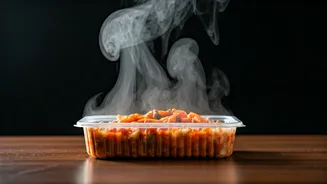
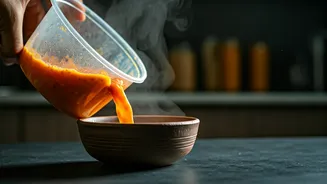
Putting piping hot food directly into a plastic container is a habit worth breaking. The heat can cause the plastic to warp and can accelerate the leaching of chemicals into your food. Whenever possible, let your leftovers cool down for a few minutes before transferring them to a plastic container for storage. This simple step reduces the thermal stress on the plastic, helping to preserve its integrity and minimise your exposure to any potential contaminants. Once cooled, seal the container and place it in the fridge promptly.