



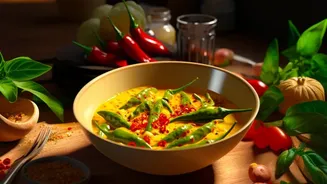

Why Your Diet Needs a Monsoon Makeover
The shift from scorching summer to humid monsoon weather affects more than just our mood; it changes our body's internal environment. According to Ayurveda, the digestive fire, or 'Agni', tends to weaken during the rainy season. This can lead to issues
like bloating, indigestion, and a general feeling of sluggishness. Furthermore, the increased moisture in the air creates a breeding ground for bacteria and pathogens, raising the risk of infections. A thoughtful monsoon diet focuses on foods that are light, warm, easy to digest, and packed with immunity-boosting properties. The goal is to support your digestive system and strengthen your body's natural defences against seasonal ailments.
Embrace the Gourds
Monsoon is the peak season for a variety of gourds, and for good reason. Vegetables like bottle gourd (lauki), ridge gourd (turai), and snake gourd (chichinda) are incredibly light and easy on the stomach. Rich in water content and fibre, they help keep you hydrated and aid digestion without overburdening a sluggish system. These vegetables are also low in calories and absorb spices well, making them perfect for warm, comforting curries and soups. Ayurveda particularly recommends vegetables that grow above the ground during this season, as they have a lower risk of contamination from waterlogged soil. Steaming or cooking them into a simple sabzi with minimal oil is an ideal way to enjoy their benefits.
Harness the Power of Bitter Foods
While not everyone's favourite, bitter-tasting vegetables like bitter gourd (karela) and Indian lilac (neem) are highly prized during the monsoon. Traditional wisdom and Ayurvedic principles suggest that bitter foods have natural antimicrobial properties that can help fend off infections. They are also known to stimulate the digestive juices, which can help counteract the weakened 'Agni'. A simple karela stir-fry or adding a few neem leaves (sparingly) to your meals can be a great way to incorporate these potent, protective foods into your diet. Pointed gourd is another traditionally favoured monsoon vegetable believed to support digestion.
Choose Your Fruits Wisely
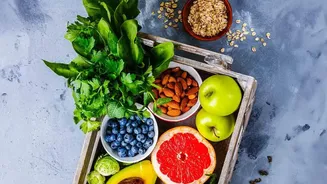
Not all fruits are created equal when it comes to a monsoon diet. It's best to favour seasonal offerings like jamun, plums, peaches, apples, and pears. These fruits are packed with antioxidants and Vitamin C, which are crucial for a strong immune system. Jamun, a true monsoon specialty, is particularly beneficial. On the other hand, it's advisable to moderate your intake of water-heavy fruits like watermelon and muskmelon. While hydrating, they can sometimes slow down digestion and create a feeling of water retention during this humid season. Always opt for whole fruits over pre-cut ones to minimize the risk of contamination.
Spice Up Your Immunity
Indian spices are more than just flavouring agents; they are potent medicinal allies, especially during the rains. Turmeric, ginger, garlic, and black pepper are the cornerstones of a monsoon-ready kitchen. Ginger is excellent for soothing sore throats and aiding digestion. Turmeric is a powerful anti-inflammatory and antioxidant. Garlic possesses strong antiviral and antibacterial properties. Adding a small amount of black pepper to your food can actually enhance the absorption of curcumin, the active compound in turmeric. Incorporating these spices into your daily dals, soups, and sabzis is an easy and effective way to bolster your body’s defences.
Lean on Light Grains and Pulses
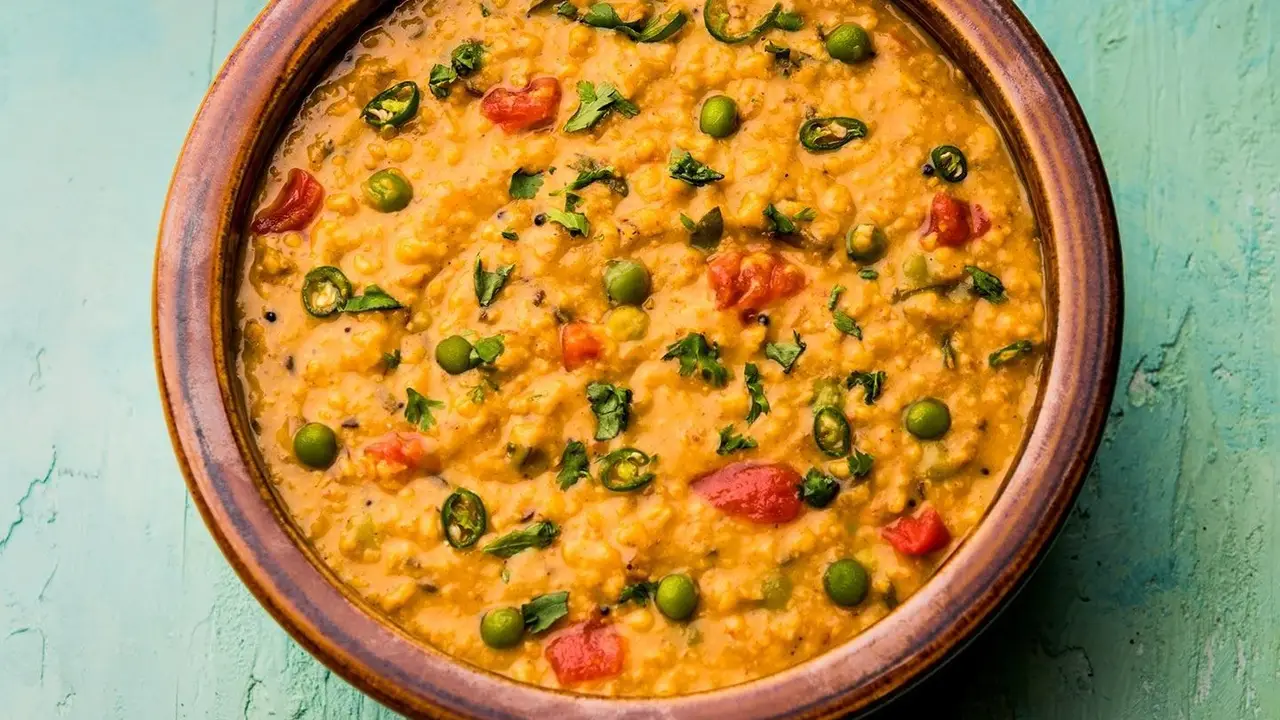
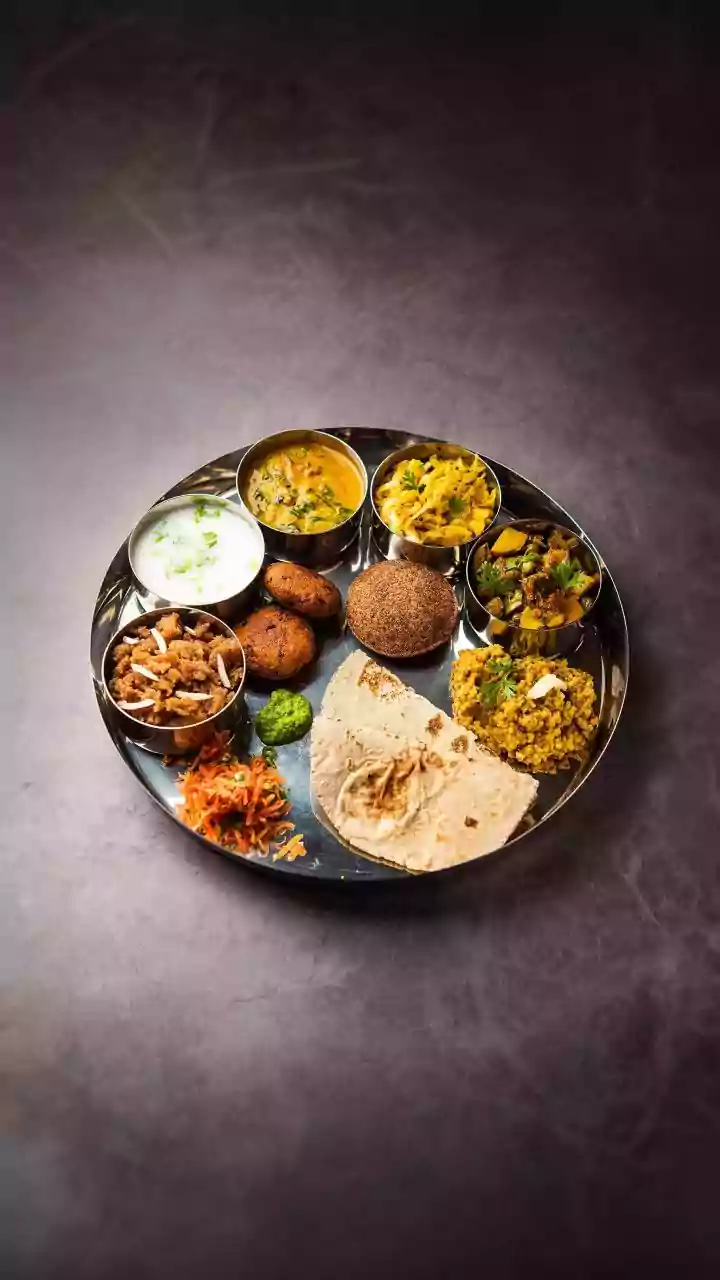
Heavy, oily, and fried foods can feel like a burden on the digestive system during the monsoon. This is the perfect time to embrace lighter options. Khichdi, a simple one-pot dish made from rice and moong dal, is considered the ultimate monsoon comfort food. It's easy to digest, nourishing, and provides a good balance of carbohydrates and protein. Millets like ragi and jowar are also excellent choices, as they are gluten-free and gentle on the stomach. For pulses, moong dal is the most recommended as it is the lightest and easiest to digest among all lentils.