





The modern workday often means hours spent staring at a screen, leading to familiar aches: tired eyes and a stiff, sore neck. Fortunately, you don't have to accept this as normal. Simple mobility drills can make a world of difference.
Understanding Screen-Induced Strain
That dull ache in
your neck and the tired, gritty feeling in your eyes at the end of the day has a name: digital eye strain and 'tech neck'. When we stare at screens, we tend to blink less, leading to dry, fatigued eyes. Simultaneously, we often crane our heads forward, forcing the muscles in the back of our neck to work overtime to support the head's weight. Tilting your head forward just 45 degrees can put nearly 23 kilograms of pressure on your spine. This sustained, unnatural posture can lead to everything from headaches and shoulder pain to stiffness and muscle imbalances. The key issue is not just the position itself, but staying locked in it for prolonged periods, which restricts blood flow and fluid exchange in your joints.
Refresh Your Eyes in Seconds
Giving your eyes a break is one of the most effective ways to combat visual fatigue. The most recommended technique is the 20-20-20 rule: every 20 minutes, look at something at least 20 feet (or 6 metres) away for 20 seconds. This allows the tiny muscles inside your eye to relax. For more active relief, try focus shifting. Hold a finger or pen about 10 inches from your face, focus on it for 15 seconds, then shift your gaze to a distant object for 15 seconds. Repeat this five times to improve flexibility. Another soothing exercise is 'palming'. Rub your hands together to create warmth, then gently cup them over your closed eyes for a minute, breathing deeply to release tension. Finally, make a conscious effort to blink more often; it refreshes the tear film and prevents dryness.
Unlock Your Neck and Shoulders
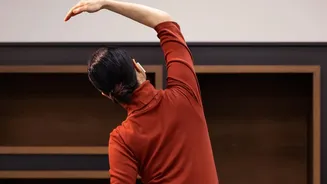
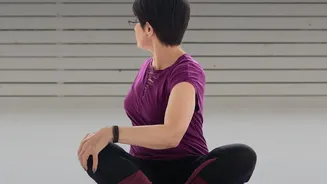
Counteracting 'tech neck' involves gentle movements that release tension and improve mobility. A simple chin tuck is highly effective. While sitting straight, gently pull your chin backward as if you're trying to make a double chin, hold for five seconds, and release. This strengthens the muscles that support your head. Next, try slow and controlled neck tilts. Gently tilt your head toward your right shoulder, hold for 15-30 seconds to feel a light stretch along the side of your neck, then repeat on the left side. Follow this with head turns, looking slowly over one shoulder and holding, then repeating on the other side. Lastly, don't forget your shoulders. Roll them backward and down ten times, then reverse the direction. This simple move helps release the tension that creeps up from your shoulders into your neck.
Making Movement a Daily Habit
The benefits of these exercises come from consistency. The goal isn't a strenuous workout, but frequent, gentle movement. Try setting a recurring timer for every 20 or 30 minutes to remind yourself to perform one of these drills or simply get up and walk around for a minute. You can link these new habits to existing ones, such as doing neck tilts every time you finish a call or practicing eye exercises before your lunch break. Integrating these small movements enhances circulation, reduces muscle tension, improves posture, and can even boost your mental clarity and focus. Taking these brief moments to reset your body not only alleviates immediate discomfort but also serves as preventative care, reducing the risk of chronic pain and stiffness over the long term.