






A Symphony of Sensation
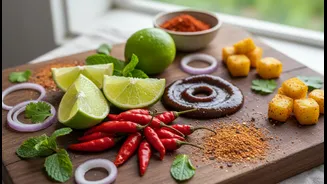
Chatpata isn't a single taste but a complex symphony of flavours hitting the palate all at once: sweet, sour, spicy, salty, and tangy. It’s the flavour profile that defines Indian street food, from pani puri to bhel puri. The term itself comes from the Hindi
word 'chaatna', which means 'to lick', perfectly describing the finger-licking goodness it delivers. This multi-layered experience is India's answer to the Japanese concept of umami—a flavour that's deeply satisfying and hard to define with a single adjective. This blend is designed to excite every corner of the palate, creating a multisensory experience that is both familiar and thrilling.
The Psychology of the Craving
There's a fascinating science behind why we crave these intense flavours. When we eat spicy food containing capsaicin (the compound in chillies), our brain's pain receptors are activated. In response, the body releases endorphins, which are natural painkillers that create a feeling of pleasure or a mild 'high'. This creates a paradoxical cycle of pleasure from pain. Psychologists sometimes refer to this as a form of 'benign masochism', similar to the thrill of riding a roller coaster. This sensation-seeking behaviour is linked to personality traits; those who enjoy spicy, chatpata foods often show a greater desire for novelty, excitement, and adventure in their lives. It's a controlled thrill, an adrenaline rush within the safe confines of a snack.
Comfort, Nostalgia, and Modern Stress
Beyond the chemical reactions, the love for chatpata is deeply emotional. For many Indians, these flavours are intertwined with core memories of childhood, festivals, and after-school treats. In today's fast-paced world, chatpata food acts as a powerful form of comfort, a nostalgic anchor to simpler times. The act of gathering at a chaat stall is a social tradition, bringing people from all walks of life together. In a contemporary context, this craving for intense, familiar flavours can also be a response to stress. The cortisol our bodies produce when we're anxious can trigger cravings for high-impact comfort foods, and the bold, distracting nature of chatpata fits the bill perfectly.
The Snack Industry's Chatpata Boom
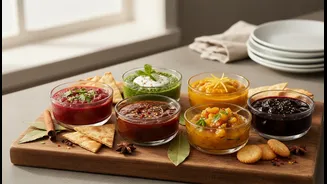
The modern food industry has taken notice of this enduring obsession. The Indian snacks market is experiencing massive growth, projected to expand significantly by 2034, fueled by rising disposable incomes and a demand for convenient options. Brands are innovating relentlessly, launching countless products—from potato chips to baked millet snacks—that are built around regional and fusion chatpata flavours. This trend is not just about indulgence; it's also about evolution. As consumers become more health-conscious, a 'smarter chatpata' trend is emerging. Brands are offering baked-not-fried options, using natural sweeteners, and creating protein-rich savoury snacks that deliver the chatpata punch without the guilt. The rise of quick commerce delivery apps has also made it easier than ever for consumers to discover and indulge in both large and small regional brands, further fueling the trend.
The Instagram Effect
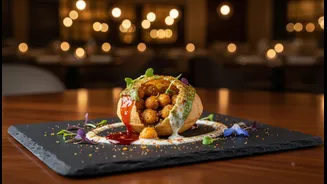
In 2026, we don't just eat with our mouths; we eat with our eyes. Social media platforms, especially Instagram, have turned food into a visual spectacle. The vibrant, chaotic, and mouth-watering presentation of street chaat makes it perfect content for Reels and posts. This 'camera eats first' culture means that visually appealing dishes, especially those that look indulgent and exciting, gain viral traction. Chefs and restaurants are increasingly designing dishes with social media in mind. As a result, the craving for chatpata is amplified visually, constantly appearing on our feeds and driving a powerful, digitally-fueled desire to seek out these flavours in real life.