
A Return to Healthier Roots
One of the primary drivers of this shift is a growing consciousness around health. For generations, Indian households used clay pots (matkas) for storing water and cooking. Today's young homeowners are rediscovering the benefits their grandparents knew.
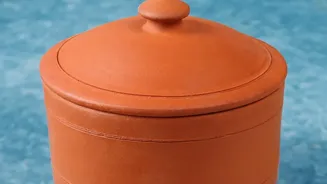
Clay is a natural, alkaline material. This property helps in neutralizing the pH balance of acidic foods, making them easier to digest. Furthermore, clay pots are porous, allowing for slow and even cooking that helps retain the food's nutrients, which can be lost with high-heat cooking in metal pans. Unlike certain plastic utensils, which can raise concerns about leaching chemicals like BPA into food, especially when heated, terracotta is 100% natural and toxin-free, offering peace of mind.
The Sustainability Statement
For a generation deeply concerned with its environmental footprint, choosing terracotta over plastic is a deliberate, eco-friendly decision. Plastic is a major contributor to pollution, with a production process that consumes high energy and results in products that take centuries to degrade. Terracotta, meaning “baked earth,” is made from natural clay, a renewable resource. Its production has a significantly lower environmental impact. While it isn't biodegradable in the short term, it's a natural material that can eventually return to the earth without releasing harmful toxins. This move away from disposable, mass-produced goods towards durable, handcrafted items reflects a broader shift towards conscious consumerism and sustainable living.
An Aesthetic for the Modern Indian Home
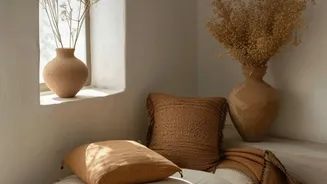
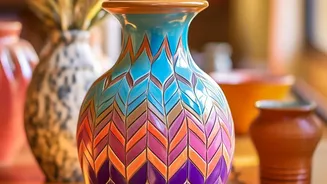
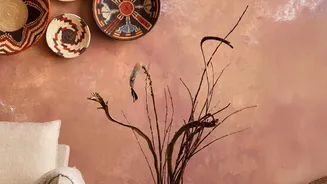
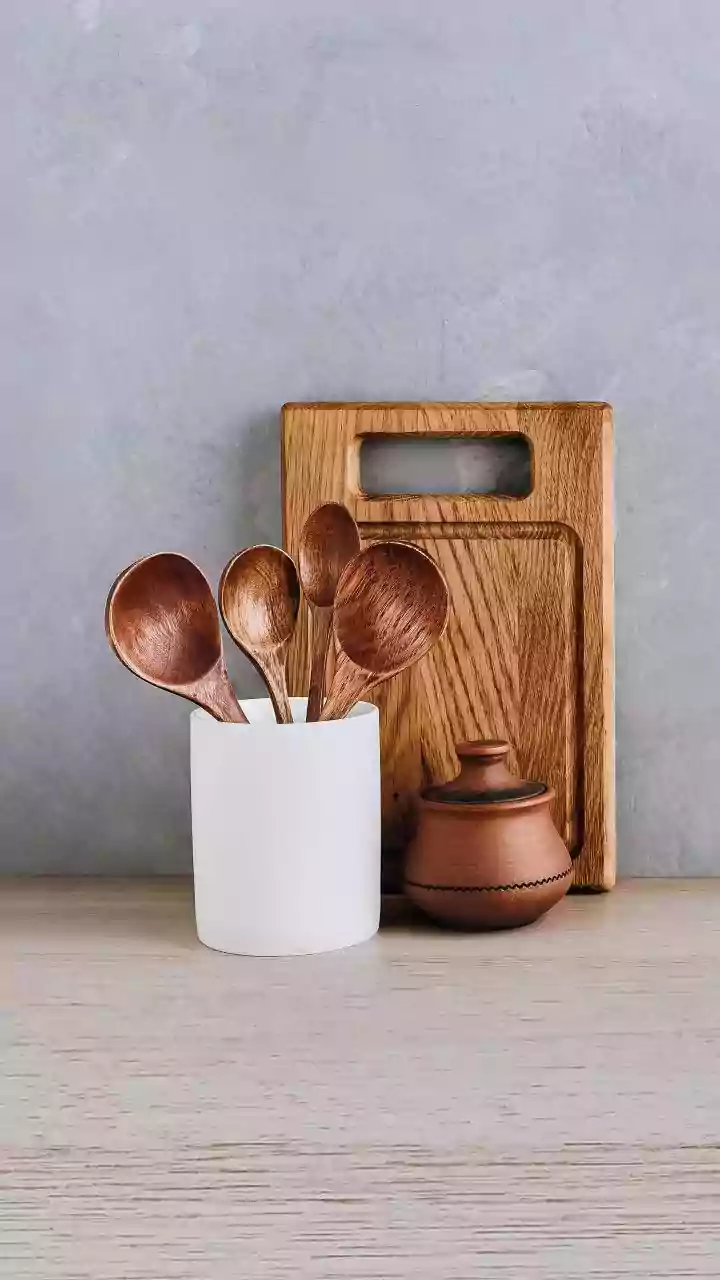
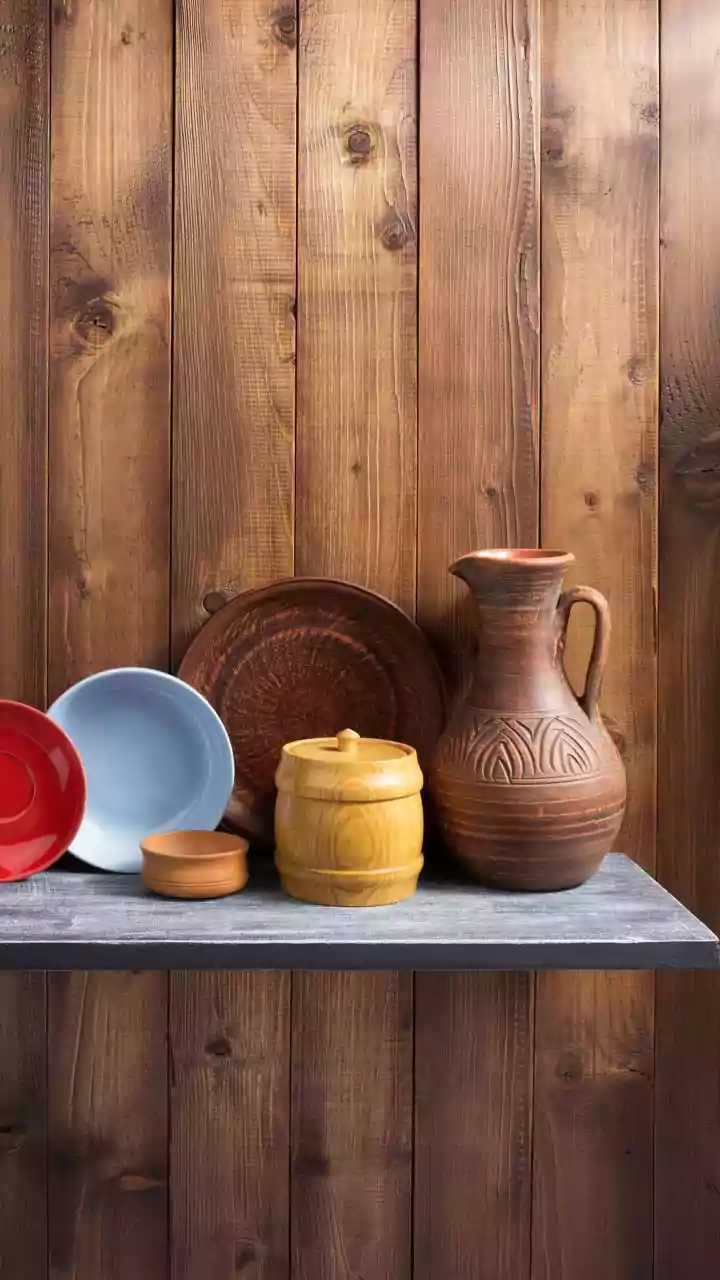
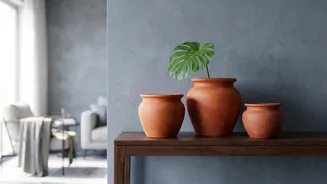
Beyond its practical benefits, terracotta has an undeniable aesthetic appeal that resonates with contemporary design trends. After years of cool, minimalist greys and whites dominating interiors, there is a collective yearning for warmth, texture, and character in our living spaces. Terracotta’s earthy, reddish-brown tones provide exactly that, adding a grounded, organic feel to a room. It pairs beautifully with the other materials popular in modern Indian homes—wood, cane, brass, and an abundance of indoor plants. From a single planter on a balcony to a set of serving bowls on a dining table, terracotta pieces act as rustic accents that make a home feel curated and personal, a stark contrast to the uniformity of mass-produced plasticware.
Connecting with Culture and Craft
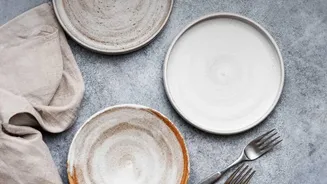
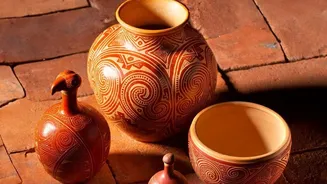
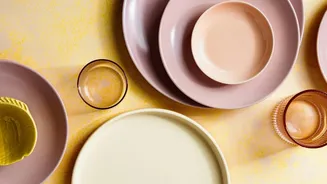
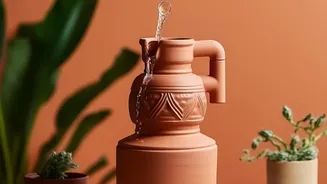
In an increasingly globalised world, there is a renewed appreciation for items that tell a story and connect us to our heritage. Terracotta has an unbroken history in India, stretching back thousands of years. Choosing a handcrafted clay pot or a set of kulhads (traditional clay cups) is a way for young Indians to engage with this long-standing artisanal tradition. It’s a nod to the past, reinterpreted for a modern lifestyle. Brands are now offering terracotta products with contemporary designs—chic water bottles, sleek curd setters, and minimalist dinner sets—that blend seamlessly into urban homes while still carrying the essence of their craft. This supports local artisans and preserves cultural heritage, turning a simple purchase into a meaningful act.