







Location, Not Just The View
A river-facing view is wonderful, but the location of your co-living space determines your daily life. Rishikesh is broadly divided into a few key areas, each with a different vibe. Tapovan is known for its quiet, green surroundings and is popular with long-term
digital nomads and wellness seekers. It has a high concentration of modern cafes, yoga studios, and co-working-friendly hostels. The Laxman Jhula area is more bustling and spiritual, offering incredible views but also more noise and crowds, which might be challenging for deep work. Before booking, consider your tolerance for noise, your need for walkability to cafes and shops, and how easily you want to access the river itself for morning walks or evening aartis.
The Tech Trinity: Wi-Fi, Power and Backup
For a digital nomad, this is non-negotiable. While internet infrastructure in Rishikesh has improved dramatically with fibre connections becoming more common, you must verify the specifics. Do not just accept "we have Wi-Fi." Ask for specifics: What is the speed? Is it a shared line? Most importantly, what is the power backup situation? Rishikesh can experience power cuts, and a good co-living space will have a generator or inverter to ensure your work is not interrupted. Many seasoned remote workers in Rishikesh carry two different mobile data SIMs (like Jio and Airtel) as a personal backup, just in case the primary Wi-Fi falters.
The 'Co' in Co-Living: Vibe and Community
Every co-living space has a unique personality. Are you looking for a quiet, focused environment of professionals, or a more social, backpacker-style community with regular events and activities? Neither is better, but choosing the wrong one for your personality can ruin the experience. Look at the space's marketing and reviews. Do they emphasize quiet work zones and yoga, or jam sessions and bonfires? A strong community can be a huge benefit, offering connections and support, but make sure it aligns with your work-life balance goals. Some spaces are designed specifically to foster community through shared meals, workshops, and group hikes.
Workspace Ergonomics and Comfort
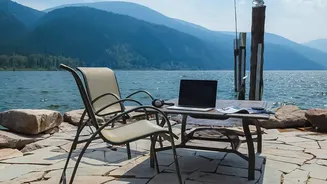
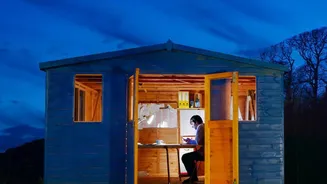
The allure of working from a riverside cafe is strong, but for a full workday, you need a proper setup. When evaluating a co-living space, look beyond the bed and the view. Is there a dedicated workspace? This could be a common co-working lounge or a proper desk and ergonomic chair in your room. Working for eight hours from a beanbag or a low cafe table is a recipe for back pain. Ask the property for photos of the workspace or check if they offer rooms with a dedicated desk setup for long-stay guests. Your physical comfort is just as important as your internet speed for long-term productivity.
Reading Between the Lines of Reviews
Online reviews are your best friend, but you need to read them like a detective. Don't just look at the star rating. Look for recurring themes in recent reviews. If multiple people in the last month have mentioned unstable Wi-Fi or noise issues, take it seriously. Conversely, if guests consistently praise the helpfulness of the manager or the cleanliness, that’s a great sign. Pay attention to what is not said as well. If a listing heavily promotes its view but is silent on its workspace or power backup, it is worth asking direct questions about those aspects before you book.
Understanding the All-In Cost
The advertised price might not be the final price. Before committing, get a clear breakdown of what is included. Is housekeeping covered? Are there extra charges for electricity, using the kitchen, or laundry services? Some places offer meal plans, while others have communal kitchens. Understanding the total monthly cost will help you compare different options more accurately and avoid any unwelcome financial surprises after you have settled in.