






The Foundation of Flavour
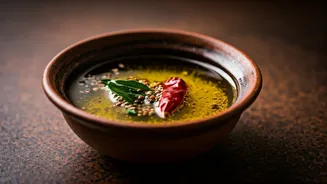
Every seasoned home cook in India understands the power of a good tadka, or tempering. It’s the foundational technique where whole or ground spices are briefly roasted in hot oil or ghee. This process doesn't just cook the spices; it awakens them, coaxing
out their essential oils and deepest aromatic compounds. This fragrant, infused oil is then poured over a dish—most often a dal, curry, or sabzi—at the beginning or end of the cooking process. A simple tadka of mustard seeds and curry leaves is common, but adding ginger to the mix elevates it from a simple finishing touch to a complex flavour-building block.
The Unique Power of Ginger
Ginger, or adrak, is a cornerstone of Indian cuisine, prized for its pungent heat and distinctive aroma. We use it everywhere, from masala chai to complex biryanis. When used raw, its flavour is sharp, peppery, and almost citrusy. Grinding it into a paste with garlic mellows it slightly, forming the ubiquitous base for countless gravies. However, its true transformative power is unleashed when it meets hot fat. Unlike dry spices that simply release their oils, ginger, which is full of moisture and volatile compounds, undergoes a chemical change. This is the secret that separates a standard home-cooked meal from one that tastes professionally crafted.
The Science of the Sizzle
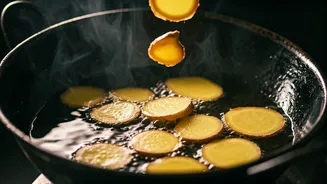
So what actually happens when you add finely chopped or grated ginger to hot oil? The magic is in the transformation of its primary compound, gingerol. Gingerol is what gives raw ginger its potent, spicy bite. When heated, especially in the direct, high heat of a tempering, gingerol converts into zingerone and shogaol. Zingerone is less pungent and has a warmer, sweeter, and spicier aroma, reminiscent of classic gingerbread. Shogaols are even spicier than gingerol but in a different, more complex way. By tempering ginger, you are essentially taming its raw aggression and replacing it with a layered, aromatic warmth. The water in the ginger also vaporises instantly, creating that signature intense sizzle that prevents the oil temperature from dropping too much, perfectly frying the spice without stewing it.
Mastering the Technique
Perfecting the ginger temper is about timing and preparation. First, ensure your ginger is finely minced or grated. The smaller the pieces, the more surface area is exposed to the hot oil, leading to a faster and more efficient flavour extraction. Heat your ghee or oil in a small tadka pan or wok. The order matters. If using whole spices like mustard or cumin seeds, add them first. Wait for them to pop and splutter. This is your cue that the oil is at the perfect temperature. Now, add the ginger. It will sizzle furiously. Stir it for just 15-30 seconds. You are looking for the raw smell to disappear and be replaced by a fragrant, cooked aroma. The edges may turn faintly golden, but do not let it brown or burn, as this will turn the flavour bitter. Immediately pour this fragrant oil over your dish.
Where It Shines Best
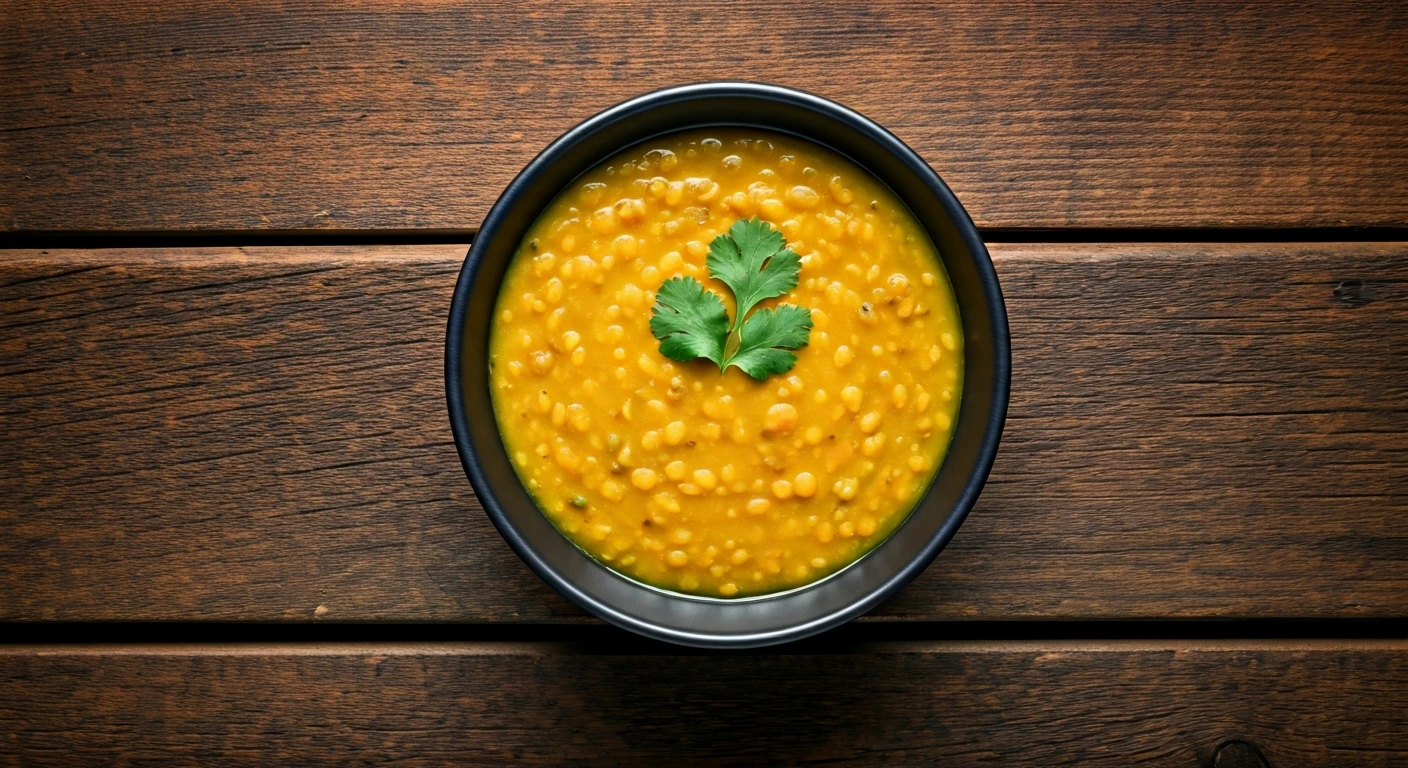
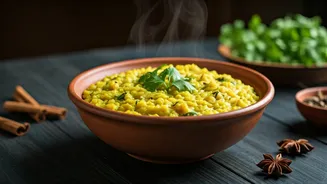
While a ginger tempering can improve almost any savoury Indian dish, it has a particularly profound effect on lentils and vegetables. In a simple yellow dal (like toor or moong dal), a final tempering with ghee, cumin seeds, asafoetida (hing), and ginger completely transforms its character from comforting to complex. For vegetable stir-fries (sabzis), starting the dish with a ginger temper builds a flavour base that permeates the entire dish. It's also fantastic in chutneys and as a finishing touch for raita, providing a burst of warmth that contrasts beautifully with the cool yoghurt. Experiment with it in your everyday cooking; you’ll be surprised at how such a small step can make such a huge impact.