




A New Culinary Frontier
Imagine savouring a slow-cooked bamboo mutton from Odisha or a fiery pork dish with axone (fermented soybean) from Nagaland without leaving your city apartment. This is no longer a foodie fantasy. A growing movement of micro-entrepreneurs and passionate
home chefs are bypassing the massive costs of traditional restaurants by using a modern solution: the cloud kitchen. Also known as dark or ghost kitchens, these are delivery-only establishments with no seating area. This lean business model significantly lowers startup costs and risk, making it the perfect launchpad for niche cuisines that might otherwise struggle to find a mainstream audience. It’s a tech-enabled return to culinary roots, and it’s happening right now.
Who Are the Cloud-Kitchen Chefs?
The chefs behind this trend are as diverse as the food they cook. Many are first-generation entrepreneurs from tribal communities, who moved to cities for education or work and saw a gap in the market. They are driven by a desire to share their culinary heritage and challenge the monolithic idea of “Indian food.” For them, it’s not just business; it’s a form of cultural preservation. For instance, cloud kitchens focused on Northeastern food have become cultural hotspots in cities like Delhi and Pune, serving dishes that go far beyond the stereotypical momo. These platforms, often run by home chefs, create a direct channel between their kitchen and curious urban diners.
A Taste of the Land
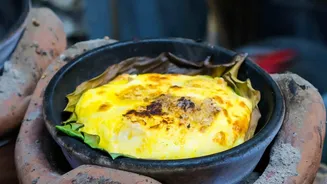
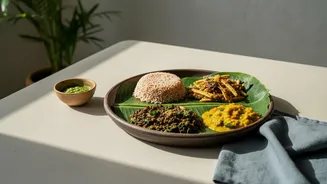
What makes tribal cuisine so special? It’s food that’s deeply connected to the land and seasons. Think ingredients foraged from forests, hyper-local vegetables, and unique preservation techniques passed down through generations. Odia tribal cuisine, for example, features cooking methods like patrapoda, where ingredients are wrapped in leaves and roasted over fire, and dishes like dalma, a flavourful mix of lentils and vegetables. Many dishes from Jharkhand, Nagaland, and other regions use ingredients and flavour profiles completely new to the urban palate, such as red ant chutney or preparations with dried jute leaves. These cloud kitchens are not just delivering meals; they are delivering an education in India’s incredible biodiversity and culinary ingenuity.
More Than Just a Meal
This movement represents a significant shift. For decades, access to authentic regional food in big cities was limited to what one could find in a handful of state bhavans or specialty restaurants. The tribal food scene was virtually non-existent commercially. Now, the combination of digital delivery platforms and the low-overhead cloud kitchen model has democratized the food industry. It provides economic empowerment for communities and allows them to tell their own stories through food. Initiatives like Rosei Ghara, a cloud kitchen in Delhi, are proving that there is a growing appetite for authentic Odia food when it’s made with care and stays true to its roots. This is culinary representation in its most delicious form.
Why This Trend Is Here to Stay
The dark-kitchen model is uniquely suited for experimenting with lesser-known cuisines. Operators can test menus, gather data from online orders, and build a following through social media without the financial burden of a physical storefront. For the urban Indian consumer, who is increasingly adventurous and eager to explore the country's diverse food landscape, it’s a perfect match. The convenience of delivery apps combined with the promise of an authentic, home-cooked-style meal from a specific region offers the best of both worlds. This isn't just a fleeting trend; it's the new face of food discovery in India, one delivery at a time.