

The Anatomy of a Perfect Batter
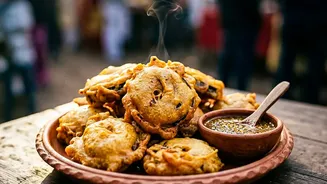
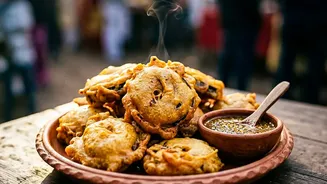
At its heart, the vada's coating is a simple batter made from besan (gram flour). But achieving the perfect texture is a delicious science. The primary ingredient is, of course, fresh besan, which provides the nutty flavour and golden colour. Many expert
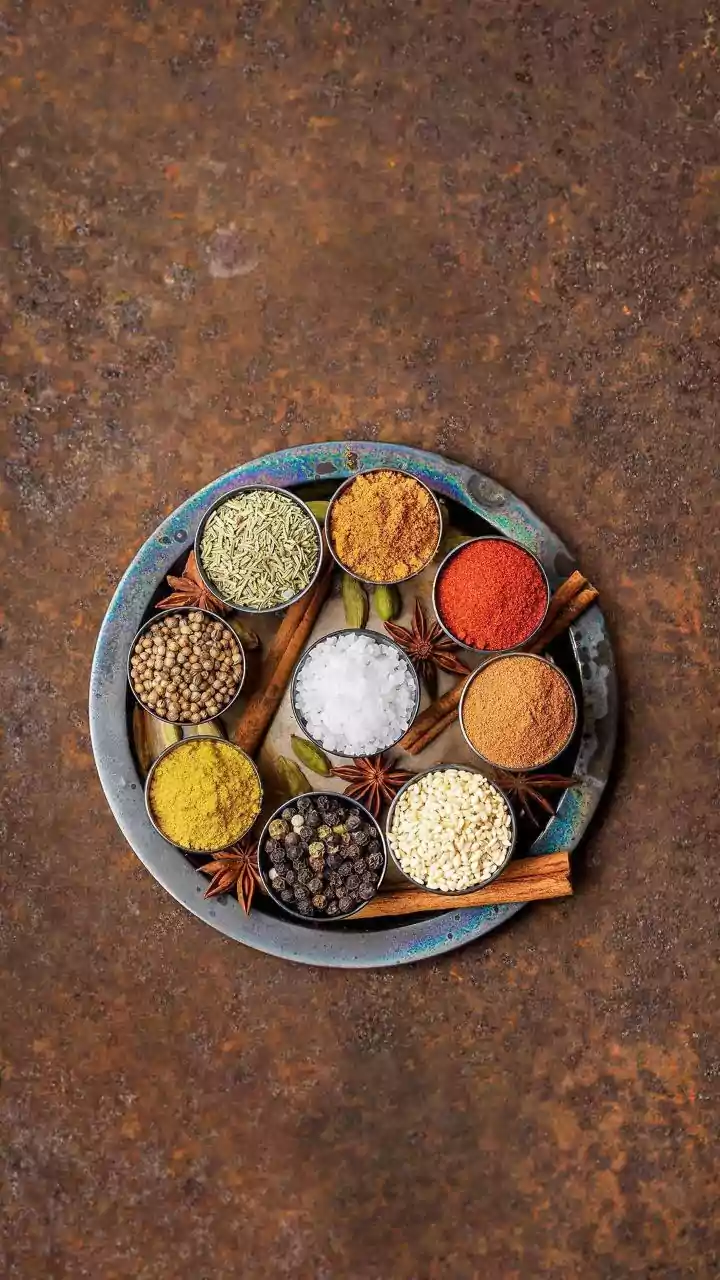
home cooks and street vendors add a small amount of rice flour or cornstarch. This is a crucial addition; rice flour is lighter than besan, absorbs less oil, and helps create a delicate, crispy shell that stays crunchy for longer. A pinch of turmeric lends a vibrant yellow hue, while ajwain (carom seeds) and a touch of salt provide essential flavour. Some recipes also call for a tiny pinch of baking soda or a teaspoon of hot oil added to the batter just before frying. These additions help to aerate the batter, making the final coating lighter and crispier.
The Science of the Crisp
Technique is just as important as the ingredients. The consistency of the batter is key. It should be thick enough to evenly coat the potato ball without being gloopy, but not so thin that it slides off. A good rule of thumb is that the batter should coat the back of a spoon and drip off in a slow, thick ribbon. Another critical factor is ensuring the potato filling is relatively dry and completely cool before it meets the batter. A warm or wet potato ball can steam the batter from the inside, preventing it from getting crisp and causing it to fall apart in the oil. Dusting the potato balls in a little dry besan before dipping them in the wet batter can also help the coating adhere properly.
Mastering the Fry
The final step to achieving that signature crunch is the frying process. The temperature of the oil is paramount. If the oil is not hot enough, the vada will absorb excess grease and become soggy. If it's too hot, the outside will burn before the potato filling is properly heated through. The ideal temperature range for frying is generally between 170°C and 180°C. A simple way to test this without a thermometer is to drop a small bead of batter into the oil; if it sizzles and rises to the surface quickly without browning immediately, the oil is ready. It's also important not to overcrowd the pan, as this can cause the oil temperature to drop. Frying in batches ensures each vada has enough space to cook evenly to a perfect golden brown.
How the Coating Complements Variations
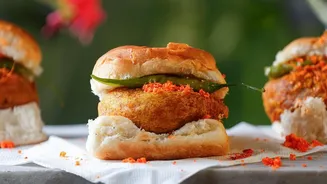
A flawless, crispy coating is the foundation upon which endless vada pav variations are built. That reliable crunch provides the perfect textural contrast to modern and regional twists. For instance, in a Cheese Vada Pav, the crisp shell holds in the molten cheese, preventing it from spilling into the oil. In a Schezwan Vada Pav, the sturdy coating stands up to the bold, tangy sauce without becoming soggy. Some fusion versions even incorporate paneer or a mix of vegetables into the potato filling. There is also the 'Ulta Vada Pav', where the pav itself is stuffed with the potato mixture, dipped in batter, and deep-fried, making the crisp coating even more central to the experience. Across all these innovations, the integrity of the classic crispy besan coating remains essential, proving that no matter the variation, the perfect crunch is non-negotiable.