


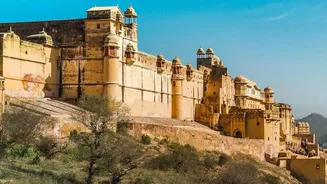
Rajasthan's Open-Air Art Gallery
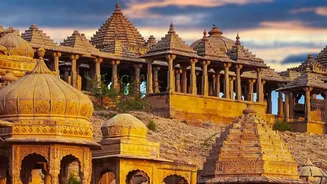
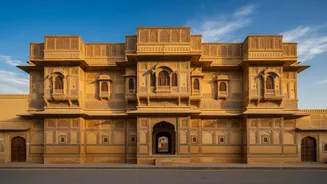
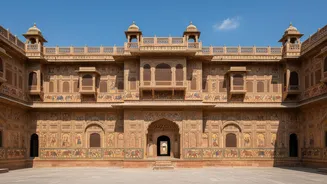
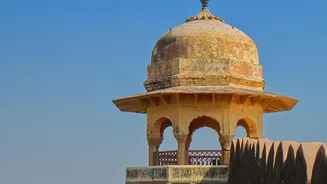
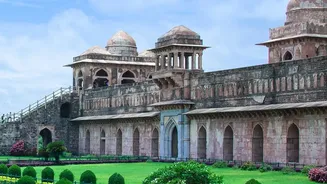
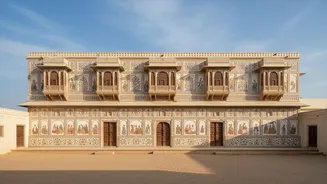
The Shekhawati region of Rajasthan is often called an open-air art gallery, and for good reason. Its towns and villages, such as Mandawa, Fatehpur, and Nawalgarh, are dotted with havelis—grand mansions built by wealthy Marwari merchants in the 18th and 19th
centuries. These were not just homes; they were canvases. The walls, ceilings, and courtyards are covered in elaborate frescoes depicting everything from mythological tales and religious figures to scenes of daily life and the arrival of new technologies like trains and cars. For decades, many of these architectural jewels lay in disrepair, their vibrant paintings fading with time. But a growing movement is bringing them back to life.
A New Life Through Sustainable Stays
Instead of letting these historic structures crumble, a wave of restoration efforts, often led by heritage enthusiasts and the original families, is transforming them into boutique homestays. This model offers a lifeline to the buildings and the culture they represent. By staying in a restored haveli, travellers directly contribute to its upkeep. This form of tourism is inherently sustainable; it focuses on preserving an existing structure rather than building new, resource-intensive hotels. The money spent supports the local economy, providing income for hosts, caretakers, and the artisans who are crucial for the authentic restoration of the frescoes.
What Sustainable Tourism Looks Like Here
Sustainability in these havelis goes beyond just saving a building. It's a holistic approach. Many homestays adopt eco-friendly practices that are often rooted in traditional ways of life, such as using solar panels for hot water, harvesting rainwater, and serving meals made from locally sourced, farm-fresh ingredients. This approach minimises the environmental footprint associated with tourism. More importantly, it revives dying arts. The demand for authentic restoration has created work for local craftspeople skilled in traditional techniques like fresco painting and lime plasterwork, ensuring these skills are passed down to a new generation.
The Unexpected Joy of the Off-Season
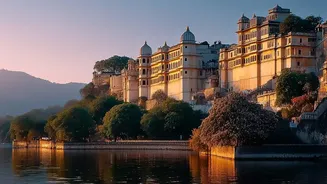
While Rajasthan's peak tourist season runs from October to March, an off-season trip during the monsoon months (July to September) offers a different kind of magic. The scorching summer heat gives way to cooler, more pleasant temperatures, and the occasional rain washes the dust away, making the colours of the frescoes appear even more vivid. The Aravalli hills turn a lush green, a sight most winter tourists miss. Best of all, the crowds are gone. This allows for a more intimate and unhurried exploration of the havelis and villages. You can spend more time appreciating the art and interacting with your hosts and local residents, making for a far more authentic cultural exchange.
An Immersive Cultural Itinerary
A stay in a painted haveli is an experience in itself. Imagine waking up in a room where the walls tell stories, enjoying home-cooked Rajasthani meals in a centuries-old courtyard, and spending your days on guided heritage walks, exploring villages at a leisurely pace. Many hosts can connect you with local artists, allowing you to see the craft of fresco painting up close or try your hand at other local arts. This is slow travel at its best, encouraging a deep connection with the place and its people. It transforms a simple holiday into a meaningful journey, where you are not just an observer but a participant in the preservation of a unique cultural legacy.