







The Unlikely Performance Booster
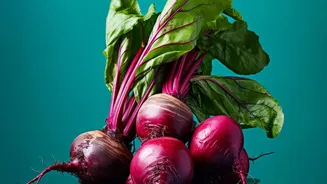
For decades, athletes have searched for the secret to unlocking peak performance. From high-tech gear to complex training regimens, the quest for marginal gains is endless. Now, sports science is confirming the power of a simple root vegetable. Beetroot
is rich in naturally occurring compounds called dietary nitrates. For years, endurance athletes have used beetroot juice to improve stamina, but recent attention has shifted to its impact on short, explosive efforts. The focus is now on how these nitrates can specifically benefit sprinters, athletes who rely on maximal power output over very short durations. It’s not just about raw power, but about how efficiently the body can use oxygen to sustain that power, a concept known as oxygen economy.
The Science of Nitric Oxide
When you consume beetroot or other nitrate-rich vegetables like spinach and arugula, a fascinating chain reaction begins. Bacteria in your mouth convert the ingested nitrate into nitrite. This nitrite then circulates in your bloodstream and, particularly in conditions of low oxygen such as intense exercise, gets converted into nitric oxide (NO). Nitric oxide is a powerful vasodilator, meaning it helps to relax and widen blood vessels. This process increases blood flow, allowing more oxygen and nutrients to be delivered to working muscles. The result is that muscles can work more efficiently, producing the same amount of force with less oxygen, a crucial advantage when every millisecond counts.
The Sprinter's Specific Advantage
Unlike marathon runners, sprinters rely on fast-twitch muscle fibers for their explosive power. Intriguingly, research suggests that dietary nitrate supplementation may be particularly effective for these types of muscle fibers. Fast-twitch fibers often operate in low-oxygen environments during intense bursts of activity. The increased nitric oxide appears to enhance the contractility and efficiency of these specific fibers, improving power generation. This means a sprinter might maintain their top velocity for a fraction longer or resist fatigue more effectively during repeated sprints. Some studies have shown that nitrate supplementation can improve performance in short, high-intensity efforts, enhancing muscle power and speed during maximal contractions.
Micro-Dosing for Maximum Effect
The term "micro-dosing" in this context refers to taking smaller, more strategic amounts of beetroot concentrate rather than large volumes. The science points towards a 'loading' phase, where athletes might consume a dose daily for several days leading up to a competition. Research suggests a dose containing 300-600mg of nitrate, taken about two to three hours before an event, is effective for peaking nitric oxide levels in the blood. This ensures the physiological benefits are available right when they are needed. However, the science is still evolving, and not every study shows a clear benefit, particularly with a single acute dose for highly trained sprinters. Consistent loading seems to yield more reliable results than a one-off drink.
Practicality and Considerations
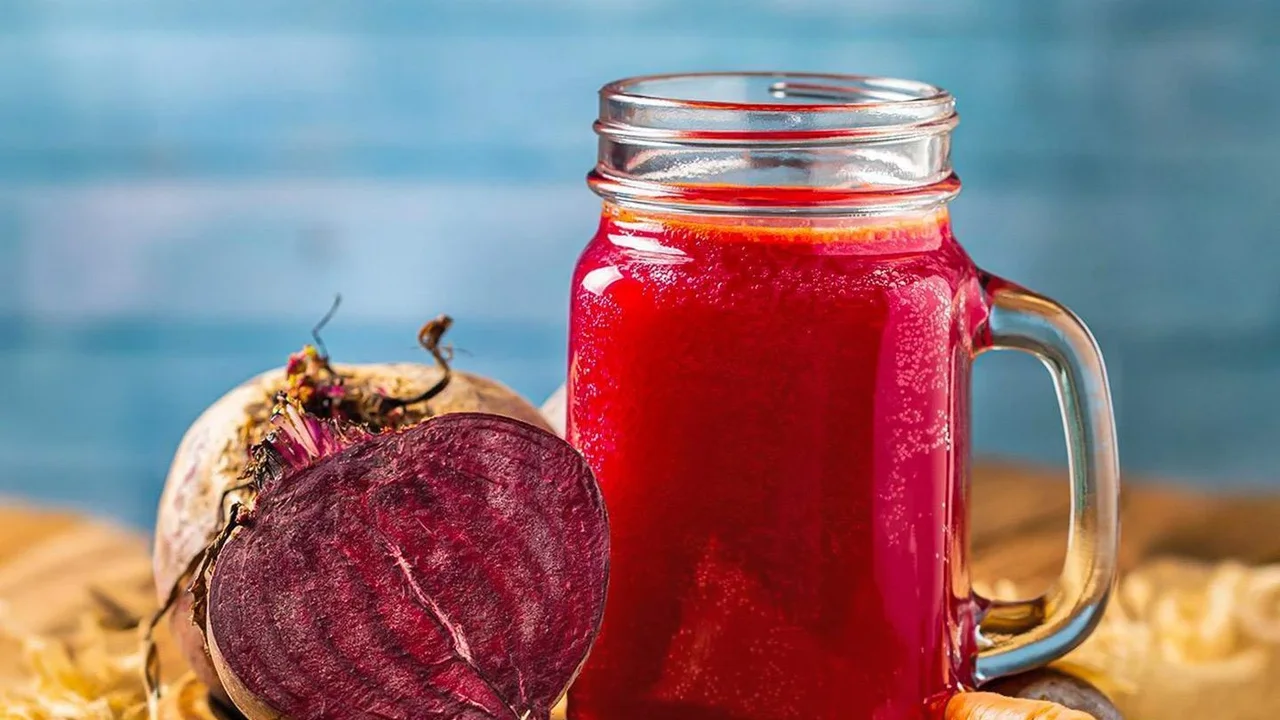
For athletes considering this strategy, it’s not as simple as just eating more beets. Concentrated beetroot juice shots are the most common and reliable way to get a specific, performance-enhancing dose of nitrates. While the effects are generally seen as positive, they are often small but potentially meaningful in elite competition. It’s also worth noting that individual responses can vary; some people are considered 'non-responders' due to their unique physiology. The benefits also appear to be more pronounced in recreationally active or moderately trained individuals compared to highly elite athletes, who may already be operating at peak efficiency. However, in a sport decided by hundredths of a second, even a tiny edge can make all the difference.