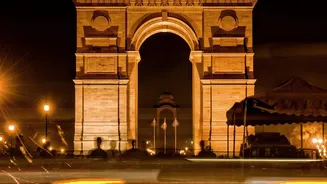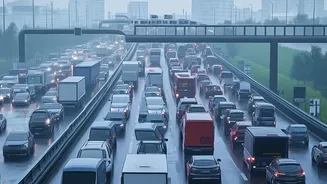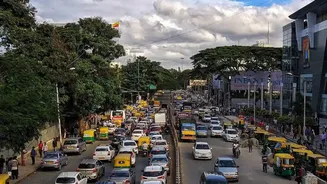





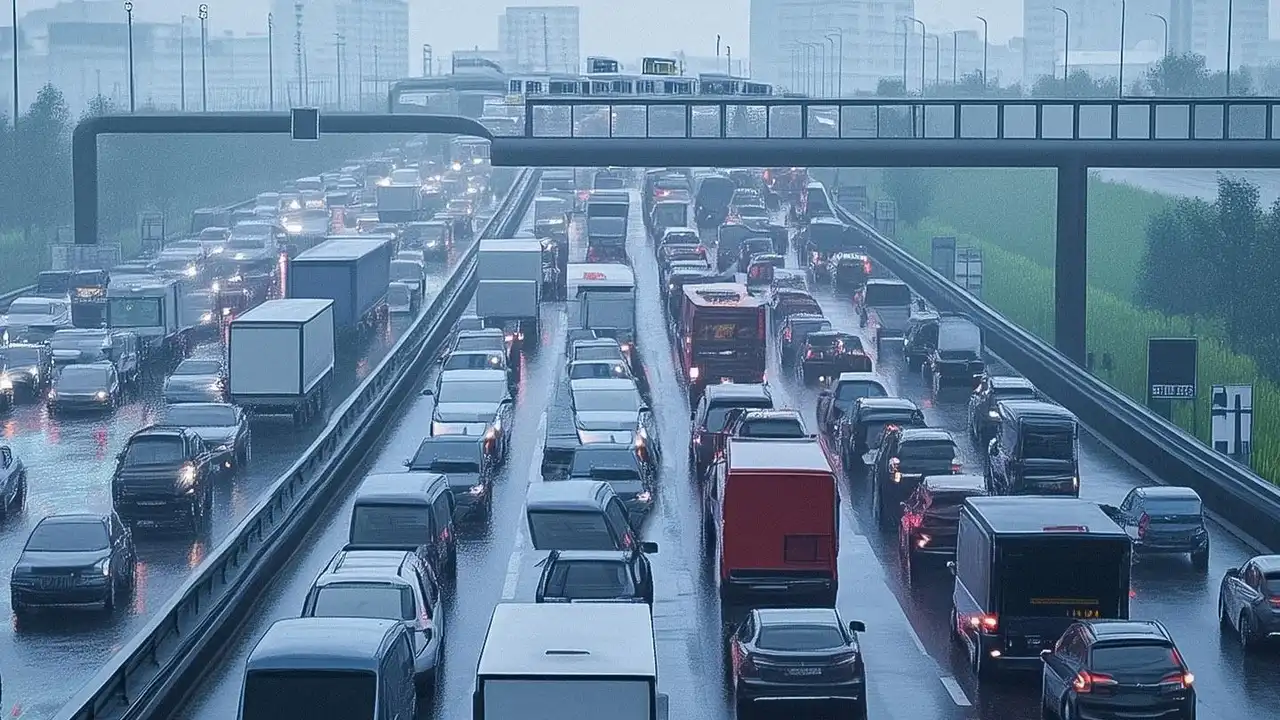
As winter approaches, Delhi braces for its annual battle with severe air pollution. Starting November 1, the government is rolling out its Winter Action Plan, which includes significant traffic restrictions. Here’s what you need to know.
The Core Rule: Who Is Banned?
From November
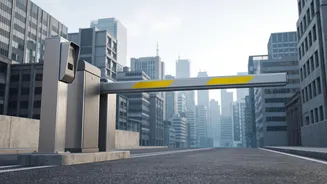
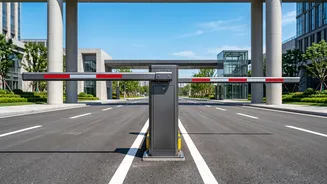
1, 2026, to January 31, 2027, vehicles registered outside of Delhi that do not meet Bharat Stage-VI (BS-VI) emission standards will be barred from entering the national capital. This measure specifically targets older petrol and diesel vehicles (typically BS-IV and below) that contribute more significantly to vehicular pollution. The restriction is a key part of the city's comprehensive Winter Action Plan designed to curb the hazardous dip in air quality during the colder months. Authorities will increase surveillance at border checkpoints to enforce the ban, which is expected to affect a large number of commuters from neighbouring NCR cities like Gurugram, Faridabad, Noida, and Ghaziabad.
Are There Any Exemptions?
Yes, the ban is not absolute and includes several important exemptions. The rule does not apply to vehicles registered in Delhi, although they are still subject to other pollution norms, including age limits (10 years for diesel, 15 years for petrol) and having a valid pollution certificate. Furthermore, all electric vehicles (EVs) and vehicles running on CNG are exempt from this entry restriction, regardless of where they are registered. Vehicles used for essential and emergency services, such as ambulances and fire tenders, will also be allowed to enter the city.
What is the Graded Response Action Plan (GRAP)?
This vehicle ban is part of a larger framework called the Graded Response Action Plan (GRAP), which is a set of emergency measures that are activated as Delhi's air quality deteriorates. GRAP has four stages tied to the Air Quality Index (AQI): Stage I (Poor), Stage II (Very Poor), Stage III (Severe), and Stage IV (Severe+). While the non-BS-VI entry ban is a fixed seasonal measure, GRAP imposes additional, more dynamic restrictions. For instance, if the AQI enters the 'Severe' category (Stage III), authorities will also ban BS-III petrol and BS-IV diesel light motor vehicles—including those registered in Delhi—from the roads in the capital and five surrounding districts.
Other Key Anti_Pollution Measures
Alongside the vehicle entry ban, several other rules will come into force. The 'No PUC, No Fuel' policy will be strictly implemented, meaning fuel stations will deny petrol, diesel, or CNG to any vehicle without a valid Pollution Under Control (PUC) certificate. Driving without a valid PUC can lead to a fine of ₹10,000. To discourage the use of private transport, parking fees will be doubled across the city, except at facilities managed by the Delhi Metro. The government is also promoting a 50% work_from_home policy for government and private offices to reduce traffic congestion.
What Are the Penalties?
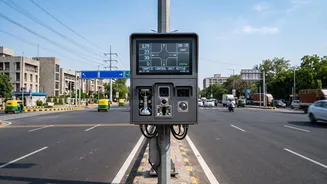
Motorists who violate the entry ban for non‐BS‐VI vehicles risk significant penalties. While official figures for 2026 are awaited, past enforcement actions for similar violations have resulted in fines of up to ₹20,000. Enforcement will be managed through physical checks at border points and increasingly with AI‐powered Automatic Number Plate Recognition (ANPR) cameras that can automatically flag non‐compliant vehicles. Given the strict enforcement planned, commuters with older vehicles registered outside Delhi are advised to check their vehicle's compliance and plan for alternative transport, such as the Metro or other public services, to avoid fines and inconvenience.